









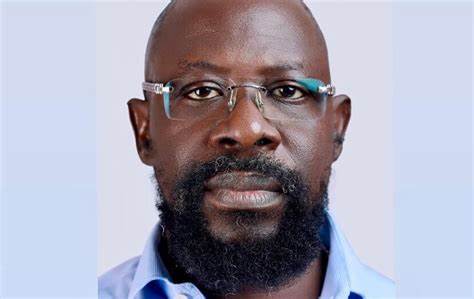
Dele Farotimi, a human rights advocate, delivered an emotionally charged message on Sunday, lamenting the state of Nigeria and the exodus of its citizens. His words, delivered via a YouTube broadcast, resonated with a deep sense of grief and frustration. Farotimi described Nigeria as an “intolerable country unfit for human habitation,” an “evil empire” that has forced its people to flee in search of better lives. He wept openly, wiping tears away with a handkerchief, as he expressed the profound sense of loss and enslavement that Nigerians feel due to the collective tolerance of oppressive conditions. He attributed his own freedom to the unwavering support of Nigerians who rallied behind him during his recent ordeal, emphasizing that their collective voice had saved his life. Farotimi’s message underscored a fundamental truth: Nigerians have become victims in the very nation they built.
Farotimi’s arrest and subsequent release highlighted the precarious situation of freedom of speech in Nigeria. He was detained by Ekiti State Police Command on December 3, 2024, on charges of defamation and cyberbullying. The accusations stemmed from his 116-page book, “Nigeria and Its Criminal Justice System,” which allegedly implicated prominent legal figures, including Senior Advocate of Nigeria, Aare Afe Babalola, in corrupt practices influencing Supreme Court Justices. The police alleged that Farotimi’s book defamed Babalola, leading to his initial arraignment in an Ekiti State Magistrate Court. Further charges were filed against him by Inspector General of Police, Kayode Egbetokun, at an Ekiti Federal High Court just days later. These events underscore the potential risks faced by individuals who dare to criticize powerful figures and institutions within Nigeria.
The magistrate court granted Farotimi bail on December 21st, but the conditions were stringent. A N30 million bond, two sureties (one possessing property), surrender of his passport, and a prohibition against granting media interviews were imposed. Despite this gag order, Farotimi clarified that he was never explicitly silenced. His silence until the Sunday broadcast, he explained, stemmed from the overwhelming gratitude he felt for the support he received from Nigerians during his detention. This outpouring of support, he emphasized, transcended ethnic and religious divides, demonstrating the power of unity in the face of oppression. Nigerians, he said, spoke for him because they saw him not as a Yoruba man or a Christian, but as a fellow Nigerian facing injustice.
Farotimi’s emotional outburst reflects a broader sentiment of disillusionment and despair among many Nigerians. The “unfit” country he describes is characterized by systemic corruption, insecurity, and a lack of accountability. The mass exodus of Nigerians seeking better opportunities abroad is a testament to the pervasive sense of hopelessness that has gripped the nation. His words echo the cries of countless citizens who feel betrayed by the broken promises of successive governments and the entrenched interests that perpetuate the cycle of poverty and injustice. His tears are not merely personal; they represent the collective anguish of a nation yearning for change.
The support that Farotimi received from Nigerians across different ethnic and religious backgrounds highlights the potential for unity in diversity. His experience demonstrates that despite the divisive tactics often employed by those in power, Nigerians can transcend their differences and stand together against injustice. The fact that people spoke up for him despite his Yoruba ethnicity and Christian faith underscores the unifying power of shared suffering and the common desire for a better Nigeria. This solidarity offers a glimmer of hope in a nation often fractured along ethnic and religious lines.
Farotimi’s story underscores the vital role of freedom of speech and the importance of holding those in power accountable. His book, which sparked the controversy leading to his arrest, aimed to expose alleged corruption within the Nigerian justice system. While the accusations remain to be proven in court, the incident highlights the challenges faced by those who dare to challenge the status quo. Farotimi’s ordeal serves as a reminder that the fight for a just and equitable Nigeria requires courage, resilience, and the unwavering support of citizens who refuse to be silenced in the face of oppression. His emotional plea serves as a call to action for Nigerians to reclaim their country and build a nation worthy of its people.









