Ghanaian Parliament Initiates Member Registration Amidst Election Disputes
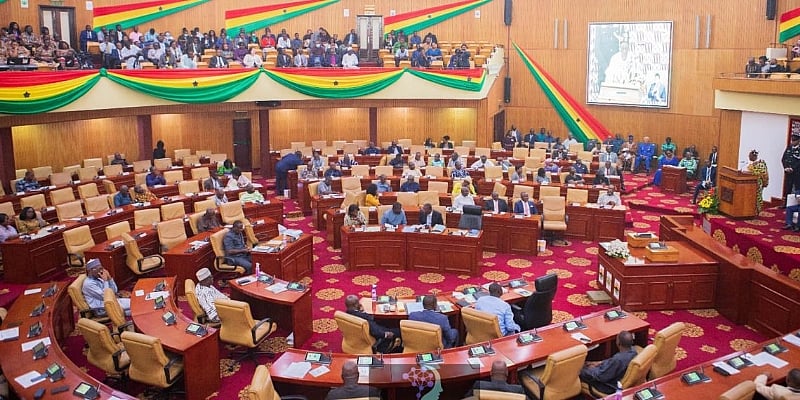
Ghana’s Parliament is gearing up for the commencement of its new session with the registration of its members scheduled to begin on Wednesday, December 25th. The registration process will be conducted in two phases, starting with online registration followed by physical registration. The online registration provides a convenient initial step for members to initiate the process, while the subsequent physical registration, slated for January 2nd to 6th, allows for in-person verification and completion of the necessary formalities. This two-pronged approach streamlines the registration process, accommodating the geographical distribution of members while ensuring proper documentation. The Parliamentary statement outlining the registration procedure indicated that Members of Parliament-elect will receive detailed instructions regarding the process. However, it remained silent on the contentious issue of disputed seats that are pending re-collation and declaration, a matter of significant concern given the close nature of the election results.
The National Democratic Congress (NDC) has expressed its strong disapproval of the re-collation of votes in seven constituencies, which were initially declared in favor of the incumbent New Patriotic Party (NPP). This adds another layer of complexity to the already delicate political landscape. The NDC’s refusal to accept the re-collation outcome underscores the deep-seated mistrust and tensions surrounding the election results. The disputed constituencies represent a crucial element in the overall parliamentary balance of power, and the NDC’s stance could potentially lead to further legal challenges and political deadlock. The timely resolution of these disputes is paramount for ensuring a smooth transition and the effective functioning of the Parliament.
The Parliamentary statement’s lack of clarity on the disputed seats raises questions about the inclusivity of the registration process. Will members-elect from the contested constituencies be allowed to register pending the resolution of the disputes? Or will their registration be contingent upon the outcome of the re-collation exercises? The absence of a clear roadmap for addressing these issues adds to the anxieties surrounding the inauguration of the new Parliament. The ambiguity could further exacerbate political tensions and potentially delay the commencement of parliamentary business. A clear and transparent process for handling the disputed seats is essential to maintain public trust and confidence in the integrity of the electoral process.
The NDC’s outright rejection of the re-collation poses a significant challenge to the Electoral Commission’s authority and its efforts to ensure accurate and credible election results. The party’s stance suggests a lack of confidence in the impartiality of the electoral process and the ability of the re-collation to address the alleged irregularities. The NDC’s position raises the specter of protracted legal battles and political instability, potentially undermining the smooth functioning of the government and the legislative process. Dialogue and engagement between the NDC and the Electoral Commission, along with other relevant stakeholders, are crucial to finding a mutually acceptable solution to the impasse and safeguarding the integrity of the democratic process.
The upcoming parliamentary registration process represents a critical juncture in Ghana’s post-election transition. The successful and inclusive registration of all elected members, including those from disputed constituencies, is crucial for establishing a legitimate and functioning Parliament. The Electoral Commission must address the concerns raised by the NDC and other stakeholders regarding the re-collation process to ensure transparency and build public confidence in the outcome. A failure to resolve the electoral disputes could lead to prolonged political instability and potentially undermine the democratic foundations of the country.
The way forward requires a multi-faceted approach. First and foremost, the Electoral Commission must demonstrate its commitment to impartiality and transparency in the re-collation exercises. This involves providing clear guidelines and procedures for the re-collation, ensuring the participation of all relevant stakeholders, and addressing any grievances in a timely and transparent manner. Secondly, the NDC needs to engage constructively with the Electoral Commission and explore avenues for resolving their concerns. This could involve participating in the re-collation process while reserving the right to challenge the outcome through legal channels if necessary. Finally, all political actors must prioritize the national interest and work towards a peaceful and democratic resolution of the electoral disputes. This includes refraining from inflammatory rhetoric and engaging in good-faith dialogue to find common ground. The successful navigation of this challenging period will require political maturity, commitment to democratic principles, and a shared vision for a united and prosperous Ghana.