





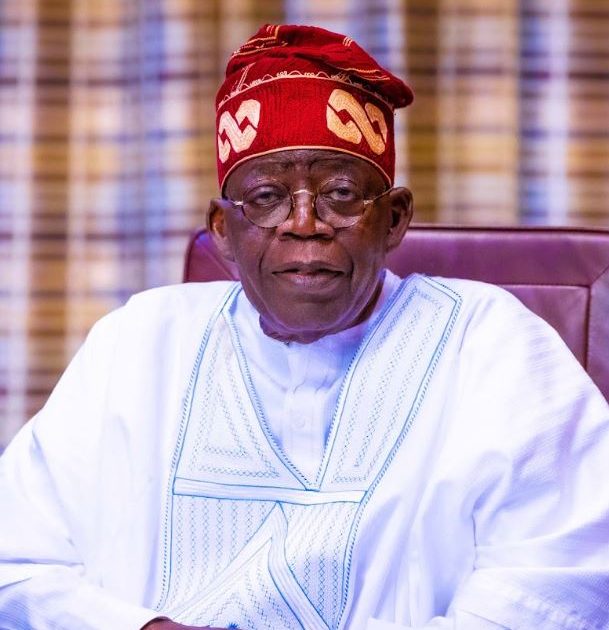
The Nigeria Labour Congress (NLC), the umbrella organization for Nigerian trade unions, has vehemently refuted President Bola Tinubu’s assertion that the removal of the petrol subsidy was a necessary measure to avert a national disaster. NLC spokesperson, Benson Upah, countered the President’s claims, arguing that the subsidy removal has exacerbated existing problems rather than providing solutions. This disagreement underscores the contentious nature of the subsidy removal, a policy that has sparked widespread debate and protests across the nation. President Tinubu, in a recent media chat, defended his decision, claiming that the subsidy regime was unsustainable and jeopardized the nation’s financial future. He argued that the funds previously allocated to subsidies could be better utilized for investments and development initiatives. However, the NLC maintains that the removal has inflicted more hardship on Nigerians, further escalating the cost of living and exacerbating economic inequalities.
The crux of the disagreement lies in the contrasting perspectives on the long-term impact of the subsidy removal. President Tinubu posits that the short-term pain associated with the price hikes is a necessary sacrifice for long-term economic stability and growth. He believes that eliminating the subsidy frees up crucial resources that can be channeled towards critical sectors such as infrastructure, education, and healthcare. This, in his view, is a more sustainable approach to national development compared to maintaining a subsidy regime that he considers fiscally irresponsible. The NLC, on the other hand, argues that the immediate consequences of the removal are too severe to justify the promised long-term benefits. They contend that the increased cost of transportation and goods has disproportionately affected low-income earners and vulnerable populations, pushing them further into poverty. Furthermore, they express skepticism about the government’s ability to effectively utilize the freed-up resources for the promised developmental projects, citing a history of mismanagement and corruption.
The NLC’s position reflects the widespread public discontent over the subsidy removal. The sudden increase in fuel prices has had a ripple effect across the economy, driving up the cost of transportation, food, and other essential commodities. This has placed an immense burden on ordinary Nigerians, many of whom are already struggling to make ends meet. The NLC has organized protests and strikes to express their opposition to the policy and demand palliative measures to cushion the impact on the populace. They argue that the government should have implemented robust social safety nets before removing the subsidy to mitigate the inevitable hardship on the citizens. The government, however, maintains that the subsidy was unsustainable and that its removal was inevitable.
The ongoing debate highlights the complex economic and social challenges facing Nigeria. The petrol subsidy, while ostensibly intended to alleviate the burden of high fuel prices on citizens, had become a significant drain on the nation’s resources. Critics argued that it was riddled with corruption and benefited a select few rather than the intended beneficiaries. However, its removal has also had unintended consequences, exacerbating existing economic inequalities and fueling social unrest. Finding a sustainable solution that balances the need for fiscal responsibility with the imperative to protect vulnerable populations remains a daunting challenge for the government.
The government has announced some palliative measures to mitigate the impact of the subsidy removal, including cash transfers and investments in public transportation. However, the NLC argues that these measures are inadequate and poorly targeted. They call for a more comprehensive and robust social safety net that effectively addresses the needs of the most vulnerable segments of the population. The government, in turn, insists that it is committed to utilizing the savings from the subsidy removal for developmental projects that will benefit all Nigerians in the long run. The effectiveness of these measures and their ability to alleviate the hardship faced by ordinary Nigerians remains to be seen.
The removal of the petrol subsidy in Nigeria presents a classic dilemma of balancing short-term pain with long-term gain. While the government argues that the removal was necessary for the nation’s economic health, the NLC contends that it has inflicted unacceptable hardship on the populace. The ongoing debate underscores the need for a more comprehensive approach to economic policy that considers the social and economic consequences of such decisions and prioritizes the well-being of the most vulnerable segments of society. Finding a sustainable solution that balances fiscal responsibility with social equity remains a critical challenge for the Nigerian government.








