





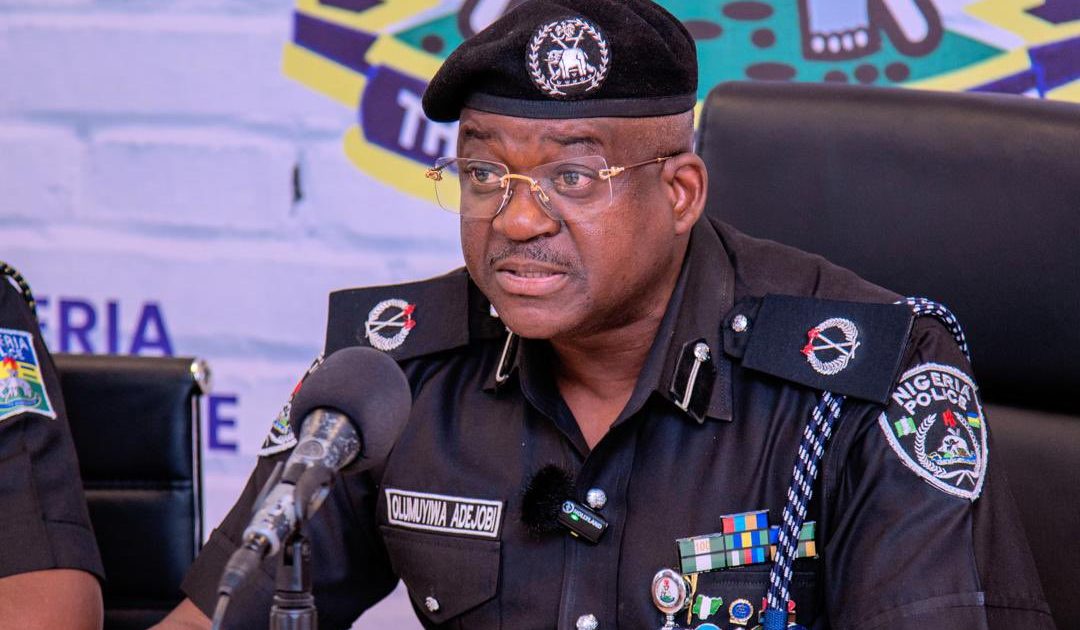
Nnamdi Kanu, the detained leader of the Indigenous People of Biafra (IPOB), has initiated legal action against Olumuyiwa Adejobi, the Force Public Relations Officer of the Nigeria Police. The lawsuit, filed before the High Court of the Federal Capital Territory in Abuja, alleges defamation stemming from a press statement issued by Adejobi. Kanu contends that the statement, which reported on police operations against IPOB and the Eastern Security Network (ESN) in Imo State, falsely portrayed him as a leader of a terrorist organization and caused irreparable damage to his reputation. The heart of the contention lies in Adejobi’s characterization of IPOB as a proscribed terrorist organization, a label that Kanu vehemently rejects.
The lawsuit, filed by Kanu’s lead counsel, Aloy Ejimakor, specifically takes issue with the headline and content of the press release, which announced the neutralization of six alleged IPOB/ESN terrorists and the recovery of arms. Kanu argues that by linking him to a proscribed terrorist group, Adejobi’s statement implies his direct involvement in and responsibility for the alleged acts of terrorism in Imo State. This association, Kanu claims, has not only tarnished his image within Nigeria but also internationally, causing significant distress and damage to his standing within his community and beyond.
Kanu’s legal team emphasizes that the press statement’s portrayal of him as a terrorist leader goes beyond fair comment and constitutes malicious libel. They argue that Adejobi’s words, in their natural and ordinary meaning, paint a picture of Kanu as a dangerous individual associated with violence and criminal activity. This portrayal, according to the suit, is a deliberate and calculated attempt to smear Kanu’s character and undermine his credibility. The lawsuit underscores the importance of accurate reporting and the potential harm caused by associating individuals with proscribed organizations without sufficient evidence.
The lawsuit seeks several remedies, including a declaration that Adejobi’s statements were libellous and defamatory, a retraction of the press statement through the same media outlets where it was originally published, and a written apology to Kanu. The apology, Kanu requests, should be prominently published in three national dailies to ensure maximum reach and counteract the damage caused by the initial statement. This public apology is seen as crucial to restoring Kanu’s reputation and clarifying his position regarding the alleged activities of IPOB.
Furthermore, Kanu is seeking a perpetual injunction restraining Adejobi from making further defamatory statements against him. This injunction aims to prevent any future dissemination of false information that could further harm Kanu’s reputation and standing within the community. The lawsuit demonstrates Kanu’s determination to protect his image and to hold individuals accountable for making unfounded and potentially damaging accusations.
Finally, Kanu is demanding substantial financial compensation in the form of N20 billion (Twenty billion naira) as general and exemplary damages. This significant sum reflects the perceived severity of the damage inflicted upon Kanu’s reputation and the need to deter similar actions in the future. The lawsuit also requests that Adejobi bear the full costs associated with the legal proceedings, emphasizing the principle that those who make defamatory statements should be held financially responsible for the consequences of their actions. The case is now before the court, and its outcome will have significant implications for the ongoing debate surrounding freedom of speech, responsible reporting, and the protection of individual reputation in Nigeria.








