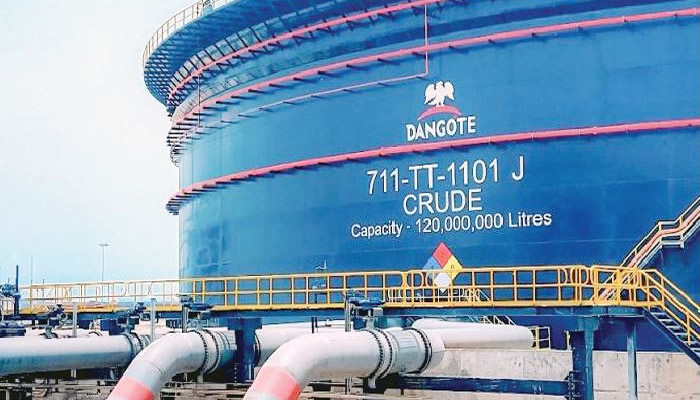
The Nigerian National Petroleum Company Limited (NNPC) currently retains exclusive rights as the off-taker of Premium Motor Spirit (PMS), commonly known as petrol, from the Dangote Petroleum Refinery. Despite a recent directive from the Federal Government that allows other oil marketers to load PMS directly from this $20 billion facility located in Lekki, it has been confirmed through discussions with oil marketers that NNPC remains the sole off-taker due to an existing agreement with the refinery. The details regarding the expiration of this agreement remain undisclosed, as neither NNPC nor Dangote officials have provided clarity on the timeline for its termination.
In a statement released on October 11, 2024, the Federal Government expressed its intent to foster market competition and enhance operational efficiency by permitting petroleum marketers to negotiate purchases directly from local refineries without the involvement of NNPC. This shift aims to empower marketers to engage with refineries on mutually agreed commercial terms, representing a significant move towards deregulation in the sector. However, the realization of this objective appears hindered as NNPC continues to hold its position as the exclusive purchaser of petrol from the Dangote refinery until the lingering agreement is resolved.
On October 15, 2024, officials from the Independent Petroleum Marketers Association of Nigeria (IPMAN) convened with representatives from the Dangote refinery, where discussions were held regarding the potential for direct sales to oil marketers. According to IPMAN’s notice to its members, the Vice President of the Dangote Group acknowledged that although there has been a government directive allowing the commencement of sales directly to registered marketers, the existing agreement with NNPC remains a barrier. The notice emphasized the importance of terminating this agreement to facilitate the shift towards direct sales, indicating a cautious approach from both parties as they navigate the regulatory and contractual landscape.
The implications of this prolonged exclusivity agreement are significant for the oil marketing landscape in Nigeria. IPMAN indicated that while the government has set the framework for change, the actual execution is still pending the conclusion of negotiations between NNPC and Dangote. Marketers have been urged to register with IPMAN swiftly, as only those registered will be able to take advantage of the new sales structure once it is ultimately implemented. The association’s leadership is actively preparing for a meeting in Abuja to further discuss these developments and strategize on how best to represent and support their members during this period of transition.
According to various major oil marketers, despite the government’s efforts to open the market, the subsisting agreement between NNPC and Dangote still governs the sale of PMS. Allegations suggest that these marketers continue to lift products from the refinery through the established deal, utilizing a procured invoice (PFI) system that allows them limited access while the exclusive arrangement with NNPC remains in force. This situation raises questions about the effectiveness of the government’s directives, signaling a potential disconnect between policy intentions and their on-the-ground impact.
In conclusion, while the Federal Government has made a decisive move to allow greater competition and facilitate direct purchase of petrol from the Dangote refinery, the practical realization of these goals remains encumbered by pre-existing contractual arrangements. The ongoing exclusivity held by NNPC as the sole off-taker of petrol undermines the intended benefits of deregulation and could affect the efficiency and competitiveness of the oil market in Nigeria. As the sector navigates these challenges, the resolution of the agreement between NNPC and the Dangote refinery will be a critical factor in determining the future landscape of petroleum marketing in the country.