Paragraph 1: NNPCL’s Strategic Price Reduction
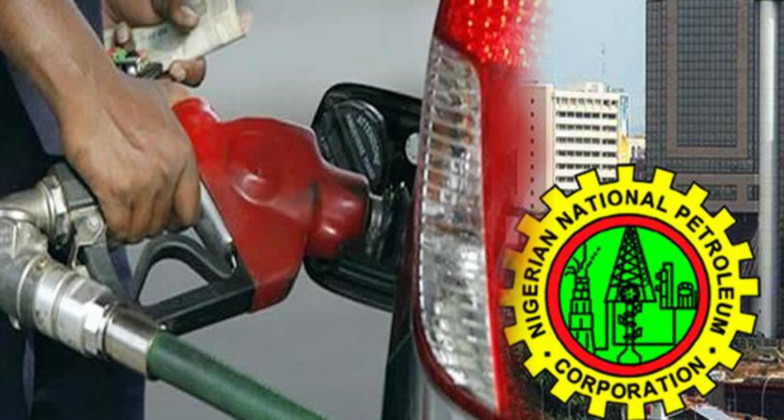
The Nigerian National Petroleum Company Limited (NNPCL) has announced a significant reduction in the ex-depot price of Premium Motor Spirit (PMS), commonly known as petrol. The price has been lowered from N1,020 per litre to N899 per litre, effectively matching the price recently offered by the newly operational Dangote Refinery. This move, confirmed by the Petroleum Products Retail Outlets Owners Association of Nigeria (PETROAN), is seen as a direct response to the burgeoning competition within the deregulated downstream petroleum sector. NNPCL’s decision is expected to trigger a price war among marketers, ultimately benefiting consumers with lower pump prices. While NNPCL’s official spokesperson has yet to confirm the development, the implications of this price reduction are already being felt throughout the industry.
Paragraph 2: Competitive Landscape and Deregulation
The price reduction underscores the impact of deregulation and the entrance of new players like the Dangote Refinery into the Nigerian downstream petroleum market. Previously, NNPCL held a near-monopoly on the supply of PMS, allowing them to largely dictate pricing. The arrival of Dangote Refinery, with its significant production capacity and competitive pricing strategy, has disrupted this status quo. NNPCL’s price adjustment is a clear indication of their recognition of this new competitive landscape and their willingness to adapt in order to maintain market share. This competition is expected to drive further efficiency and innovation within the downstream sector, ultimately benefiting Nigerian consumers.
Paragraph 3: Regional Pricing Variations and Market Dynamics
While the benchmark ex-depot price has been set at N899 per litre, regional variations exist. Marketers purchasing PMS from Warri, Oghara, Port Harcourt, and Calabar will face a higher price of N970 per litre. These regional price differentials are likely attributed to factors such as transportation costs and logistical challenges associated with delivering product to different parts of the country. Despite these variations, the overall trend towards lower prices is expected to prevail as competition intensifies and market forces exert downward pressure on prices.
Paragraph 4: Anticipated Benefits for Consumers and the Economy
The reduction in PMS prices is expected to have a cascading positive impact on the Nigerian economy and the lives of everyday citizens. Lower fuel costs translate to reduced transportation expenses for individuals and businesses, freeing up disposable income and reducing operational costs. This increased disposable income can stimulate demand for goods and services, boosting economic activity. Furthermore, lower transportation costs can contribute to lower prices for essential commodities, improving the overall standard of living for Nigerians. This price reduction comes as a welcome relief, especially during the holiday season, easing the financial burden on consumers.
Paragraph 5: Quality Control Concerns and Regulatory Oversight
While the price war sparked by the competitive landscape is generally beneficial for consumers, concerns regarding potential compromises in product quality have been raised. PETROAN, through its technical pricing team, has warned that aggressive price competition can incentivize some marketers to cut corners, potentially leading to the distribution of substandard or adulterated PMS. To address this concern, PETROAN has urged the Nigerian Midstream and Downstream Petroleum Regulatory Authority (NMDPRA) to strengthen its oversight and ensure strict adherence to quality assurance standards. Maintaining product quality is crucial, as compromised fuel can damage vehicles and pose safety risks.
Paragraph 6: Long-Term Outlook and the Role of Privatization
Industry experts are optimistic that PMS prices will continue to decline in the coming months, driven by factors such as the global decline in crude oil prices and the recent strengthening of the Naira against the dollar. PETROAN has advocated for the privatization of government-owned refineries, arguing that this will further enhance competition and drive down prices. The current price war between NNPCL and Dangote Refinery serves as a compelling example of the benefits of a competitive market. Continued deregulation and increased private sector participation are seen as key to ensuring a sustainable and vibrant downstream petroleum sector that serves the best interests of Nigerian consumers.