





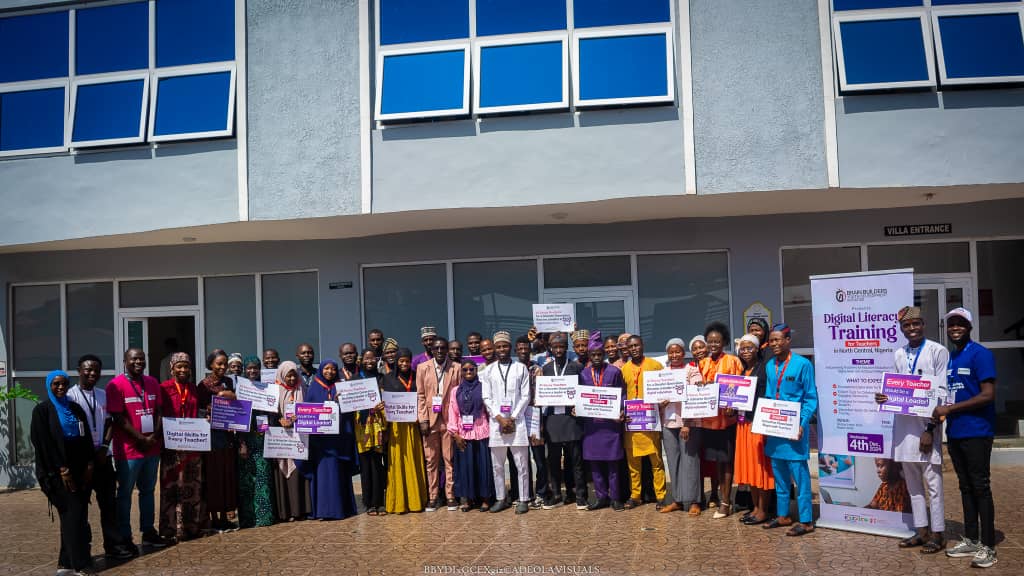
The integration of Artificial Intelligence (AI) into education has taken a significant stride forward in North Central Nigeria, spearheaded by a teacher training workshop organized by the Brain Builders Youth Development Initiative (BBYDI). This initiative marks a pivotal moment in modernizing education within the region, aiming to empower educators with the digital skills and AI knowledge necessary to navigate the evolving landscape of 21st-century classrooms. The workshop, themed “Empowering Teachers for Inclusive Education through Digital Skills and Artificial Intelligence,” reflects a broader movement to equip Nigerian teachers with the tools to create a more responsive and adaptive education system. The training focused on practical application, demonstrating how AI can personalize learning experiences, streamline assessments, and enhance overall teacher productivity.
The BBYDI emphasizes that this workshop is not an isolated event but a crucial component of a larger strategy to revolutionize education in Nigeria and potentially across the continent. By merging AI with traditional teaching methods, the organization aims to address persistent challenges within the education sector and foster an inclusive learning environment that caters to the diverse needs of all students. This initiative is envisioned as a catalyst for a paradigm shift in Nigerian education, potentially influencing how technology is integrated into classrooms across Africa. The long-term goal is to create a system where technology and AI are seamlessly integrated, not just as supplemental tools, but as core components of the educational experience.
The workshop provided a comprehensive overview of AI’s potential in education, covering both its advantages and potential pitfalls. Facilitators emphasized the importance of responsible AI deployment, cautioning against potential biases and the risk of over-reliance on technology. Sikiru Nuhu, a lecturer at Kwara State University, highlighted the duality of AI, recognizing its transformative power while underscoring the need for critical thinking and careful implementation. The training emphasized that AI should be used to augment, not replace, the human element of teaching, fostering critical thinking and problem-solving skills rather than simply providing answers. This balanced approach aims to ensure that AI serves as a tool for empowerment and deeper understanding, not a shortcut to rote learning.
Beyond theoretical discussions, the workshop provided hands-on training with practical AI tools and platforms. Participants explored the use of Canva for visual content creation, Google Docs for collaborative work, and Kahoot for interactive learning. The training also delved into the immersive potential of Virtual and Augmented Reality (VR/AR) and the administrative streamlining offered by Learning Management Systems (LMS) like Google Classroom. This practical approach allowed teachers to directly experience the technologies they would be implementing in their classrooms, fostering confidence and encouraging immediate application. The emphasis on hands-on learning aimed to bridge the gap between theory and practice, ensuring teachers felt comfortable and prepared to integrate these new tools into their teaching repertoire.
The workshop’s impact extended beyond the training sessions themselves. Teachers developed action plans to share their newly acquired knowledge and skills with their colleagues, envisioning school-based training sessions and collaborations with school management and ICT departments. Despite acknowledging potential resistance to change, the participants exhibited a palpable optimism about AI’s transformative potential. Their commitment to driving change within their schools underscored the workshop’s success in inspiring a forward-thinking approach to education. This proactive approach to implementation demonstrates the teachers’ understanding of the long-term benefits of AI integration and their willingness to champion this change within their respective schools.
The workshop also addressed the practical challenges of implementing educational technology (EdTech) in Nigeria, including limited internet access and the cost of devices. BBYDI’s commitment to providing ongoing support, resources, and expertise underscores a recognition of the systemic hurdles that need to be addressed for successful integration. This support is crucial in ensuring that the initial enthusiasm generated by the workshop translates into sustainable change. By addressing these practical concerns and providing continued support, BBYDI is working to create a sustainable pathway for AI integration in Nigerian education, ensuring that these advancements are accessible and beneficial to all. The organization’s commitment to long-term support helps bridge the gap between initial training and practical implementation, addressing the specific challenges faced by educators in the region.








