





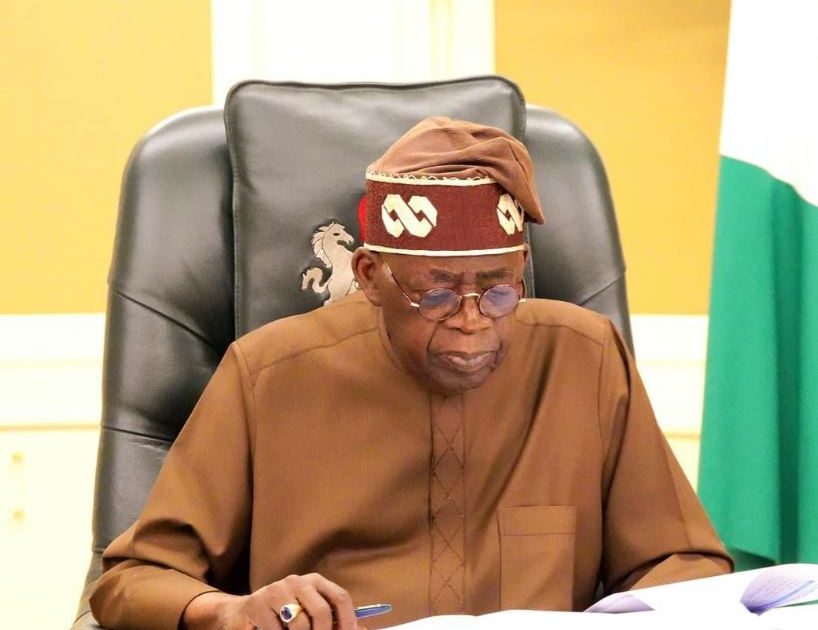
The implementation of tax reform bills by President Bola Tinubu’s administration has sparked a heated debate, particularly drawing criticism from some northern politicians and raising concerns about its potential impact on his 2027 re-election bid. The core issue revolves around the perceived centralization of revenue streams, with states expressing apprehension about losing much-needed funds to cater to their constituents. Governors, through the National Economic Council (NEC), have advised the President to withdraw the bills for further consultations, emphasizing the need for a more equitable distribution of resources. This clash between the executive branch and the NEC underscores the delicate balance of power within Nigeria’s federal system.
Central to the controversy is the Value Added Tax (VAT) component of the reform. While President Tinubu has asserted his willingness to engage in discussions on contentious aspects of the VAT, his firm stance on the overall package has fueled anxieties, particularly among governors who believe their states will be disproportionately affected. The argument against the reforms centers on the potential for concentrating revenue in Lagos, where many corporate headquarters are located, at the expense of other states where services are consumed. This perception of inequity has galvanized opposition, with some governors threatening to “show their true colors” if the reforms proceed without addressing their concerns.
Beyond regional considerations, the tax reform debate has also ignited discussions about national interest and the timing of such reforms. Critics argue that the focus should be on immediate survival needs of Nigerians rather than long-term economic policies, especially given the current economic hardships faced by many citizens. The Obidient Movement, for instance, emphasizes the importance of prioritizing survival before engaging in political calculations for the 2027 elections. This sentiment resonates with the concerns of those who believe the tax reforms are ill-timed and insensitive to the prevailing economic conditions.
The Arewa Youth Consultative Forum, a prominent northern youth organization, has warned of significant electoral repercussions for President Tinubu if he continues to disregard the concerns raised by northern leaders. This warning underscores the political sensitivity of the tax reform issue and its potential to alienate a crucial voting bloc in the North. The Forum argues that while the President’s economic reforms may be well-intentioned, his perceived inflexibility and unwillingness to accommodate opposing views could cost him dearly in the next presidential election. This highlights the delicate balancing act required to implement potentially unpopular economic policies while maintaining political support.
While some have framed the opposition to the tax reforms as a regional issue primarily driven by northern interests, others contend that the dissent is broader and transcends regional divides. The NEC, which comprises all 36 state governors, has advised against the reforms, indicating a more widespread concern than simply a northern resistance. This broader opposition underscores the importance of inclusive dialogue and consensus-building in addressing complex economic issues. Furthermore, it challenges the narrative that the resistance to the reforms is a purely regional or politically motivated maneuver.
The standoff between President Tinubu and the governors over the tax reform bills presents a compelling case study of the challenges inherent in navigating complex economic and political landscapes. The President’s insistence on the reforms despite widespread opposition raises questions about the balance between executive authority and collaborative governance. Whether the President will heed the advice of the NEC and engage in further consultations remains to be seen. The outcome of this dispute has significant implications not only for the future of the tax reforms but also for the President’s political standing and the broader political climate in Nigeria.








