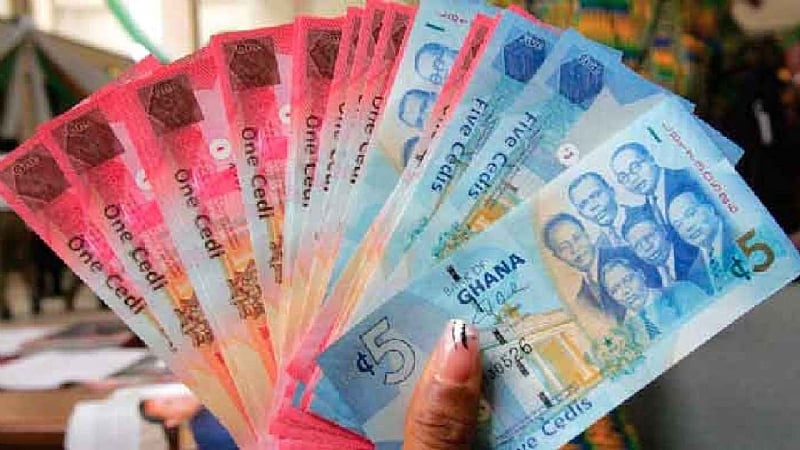
As of November 22, 2024, the Ghanaian Cedi has shown notable appreciation against the United States dollar, with current rates reflecting an increase of 6 pesewas from the previous day. At 10:00 AM, the buying rate is reported at GHS15.83, while the selling rate stands at GHS16.27, as provided by Cedirates.com, a recognized platform for tracking currency and fuel updates in Ghana. This positive trend indicates a strengthening of the Cedi within the foreign exchange market, a significant development for the country’s economy.
Within the interbank market, the Cedi trades at slightly different rates, with a purchasing rate of GHS15.84 and a selling price of GHS15.86 against the US dollar. Additionally, the Cedi’s performance against other currencies reveals varying exchange rates. The British Pound Sterling, for example, has average buying and selling rates of GHS19.78 and GHS20.56, respectively, while for the Euro, the rates are GHS16.50 and GHS17.19. These figures highlight the relative strength of the Cedi in multi-currency transactions and its implications for import and export activities.
Furthermore, the Bank of Ghana’s interbank market offers specific rates, showing the Pound Sterling priced at GHS19.99 and the Euro at GHS16.64. These official figures are crucial for businesses and individuals engaging in foreign trade or transactions, as they establish a baseline for currency conversion. The rates are essential for assessing the purchasing power of the Cedi in international markets, which can influence investment decisions and economic strategies.
In terms of remittances, platforms like LemFi and Afriex allow users in the United States and the United Kingdom to send money to Ghana at competitive rates. Currently, the rate through LemFi is GHS15.85 for each US dollar, while Afriex offers a slightly lower rate of GHS15.74. These rates demonstrate the growing accessibility of digital financial services, which are crucial for many Ghanaians receiving funds from abroad. Moreover, the two platforms provide advantageous rates for the British Pound, at GHS19.98 and GHS19.83, respectively, catering to the expatriate community.
On the digital subscription front, those renewing services like Netflix, Spotify, or Apple Music through Visa and Mastercard will encounter rates of GHS17.01 and GHS17.07 per US dollar. This is particularly relevant in a digital era where subscriptions are becoming increasingly integral to consumer lifestyles. The ability to transact at updated rates can impact the costs incurred by users, influencing their choice of payment processors and service providers based on favorable exchange rates.
Overall, the current appreciation of the Ghanaian Cedi reflects a nuanced interplay of domestic economic factors and international currency movements. Monitoring trends in currency rates is vital for individuals and businesses alike, as fluctuations can have direct impacts on purchasing power, financial planning, and investment prospects. As the Cedi continues to gain strength against major currencies, it underscores the importance of understanding exchange rates and their implications within the broader economic landscape of Ghana.