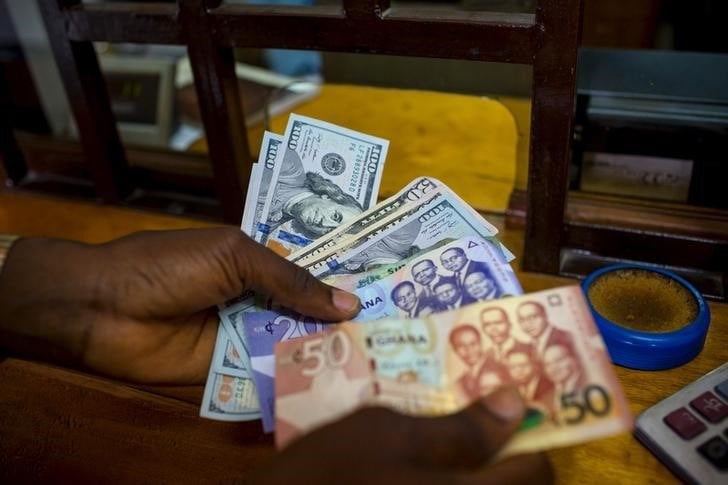
As of November 27, 2024, the Ghanaian Cedi has seen significant appreciation against the United States dollar, reflecting a rise of 9 pesewas in the buying rate and 10 pesewas in the selling rate since the previous day. At 10:00 am on Wednesday, the buying rate for the dollar was recorded at GHS15.48, while the selling rate increased to GHS16.02. These figures were obtained from Cedirates.com, a reliable source in Ghana for currency and fuel rate updates. The Cedi’s performance in the currency market indicates a stronger position against the dollar, which could potentially influence trade and import costs within the country.
In the interbank market, the Cedi is trading at a purchasing rate of GHS15.61 and a selling price of GHS15.63 against the US dollar. Such favorable rates suggest increased demand for the Cedi or improvements in the country’s economic indicators. Furthermore, when examining the British Pound Sterling, the average buying and selling rates are GHS19.37 and GHS20.23, respectively. For the Euro, the currency trading rates are GHS16.13 for buying and GHS16.90 for selling. The Bank of Ghana’s interbank market also reflects a selling price of GHS19.63 for the Pound Sterling and GHS16.38 for the Euro, corroborating the resilience of the Cedi against major currencies.
Money transfer services are playing a crucial role in facilitating currency exchange for residents and citizens abroad. Both LemFi and Afriex offer competitive rates for sending money to Ghana from the United States and the United Kingdom. For instance, LemFi lists a rate of GHS15.70 per dollar, while Afriex provides a lower rate of GHS13.25. This discrepancy in rates is crucial for individuals looking to maximize their funds when sending money back home. Additionally, the services offer buying rates for the British Pound at GHS19.67 and GHS16.70, further emphasizing the competitive landscape for currency transfer services.
Notably, Afriex also updated its Euro rates on the same day, indicating a selling price of GHS13.80 for €1. This could prove advantageous for residents dealing in Euros or making purchases from Europe. The varying rates across these platforms can significantly impact consumers and businesses by influencing their purchasing power and cost efficiency in a globalized economy.
For individuals looking to make online subscriptions to services like Netflix, Spotify, or Apple Music, payment processors Visa and Mastercard are offering the dollar at GHS16.69 and GHS16.75, respectively. These rates are important for tech-savvy consumers increasingly reliant on digital platforms for entertainment and service needs. As the Cedi fluctuates, these rates can impact the cost of living and the affordability of subscriptions for the average Ghanaian.
In summary, the Ghanaian Cedi has appreciated against the United States dollar and other major currencies, with various rates reflecting this positive trend in both the interbank and money transfer markets. This appreciation is significant not only for international transactions but also for the overall economic climate in Ghana. The roles played by money transfer services and payment processors in shaping consumer behavior and financial decisions cannot be overstated, and as the currency continues to strengthen, it may lead to changes in the broader economic landscape of the country.