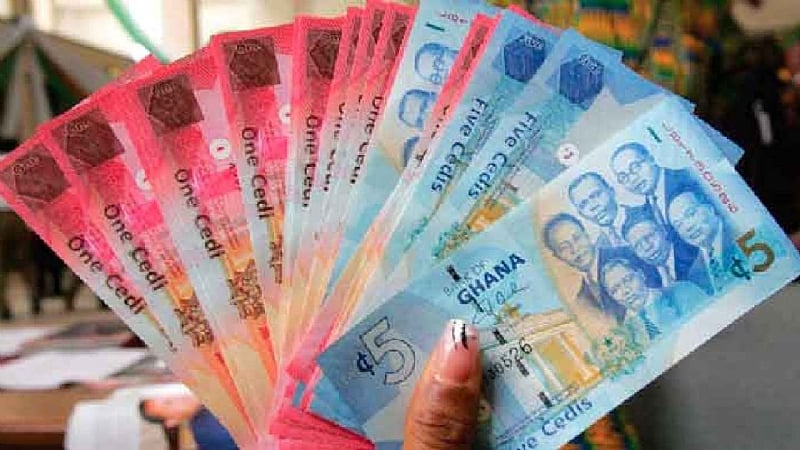
As of November 28, 2024, the Ghanaian Cedi has demonstrated a notable appreciation against the United States dollar, with an increase of 11 pesewas in the buying rate and 2 pesewas in the selling rate compared to the previous day. At 10:00 am on Thursday, the buying rate stood at GHS15.37, while the selling rate was GHS16.00, according to latest figures from Cedirates.com, a reputable source for financial information in Ghana. The interbank rates for the Cedi against the dollar show a purchasing rate of GHS15.48 and a selling price of GHS15.50. This rise in the Cedi’s valuation reflects ongoing trends in the foreign exchange market and could be indicative of broader economic conditions in Ghana.
In addition to the performance against the US dollar, the Ghanaian Cedi’s rates against other major currencies have also been updated. The average buying and selling rates for the British Pound Sterling are recorded at GHS19.24 and GHS20.24, respectively. Meanwhile, the Euro is being traded at GHS16.03 for purchasing and GHS16.91 for selling. It is also noteworthy that the Bank of Ghana’s interbank market statistics show that the Pound Sterling is selling at GHS19.59, while the Euro reflects a slightly higher selling price at GHS16.34. Such fluctuations in currency values often reflect the interplay of various economic factors, including trade balances and inflation rates.
For those looking to send money to Ghana from abroad, platforms like LemFi and Afriex are currently providing competitive rates. From the United States, money can be sent at a rate of GHS15.45 per dollar, while sending from the United Kingdom offers a marginally lower rate of GHS13.25 per dollar. These services not only highlight the accessibility of financial transactions but also illustrate the importance of online platforms in facilitating currency exchange and remittances for the Ghanaian diaspora. Additionally, these money transfer services have set different rates for the British Pound, showing GHS19.58 for buying and GHS16.70 for selling.
Among the significant updates, Afriex has also provided the only available Euro rate, which is GHS13.80 for €1. This highlights the necessity for consumers to remain informed about currency rates, particularly when engaging in cross-border financial transactions. Subscription services such as Netflix, Spotify, and Apple Music have specific implications for consumers, especially locals looking to renew their plans using foreign currencies. For those utilizing Visa and Mastercard for such payments, both processors currently offer a rate of GHS16.69 per US dollar, influencing the cost of accessing these popular entertainment services.
Overall, these developments in the currency exchange rates reflect the dynamic nature of the forex market in Ghana, revealing insights into both local and global economic trends. The appreciation of the Cedi against various currencies not only affects remittance flows but also implications for consumers and businesses engaged in international trade. The exchange rates portrayed here serve as a crucial parameter for decision-making for individuals as well as organizations in Ghana, impacting daily transactions and long-term financial strategies.
In conclusion, the fluctuations in the Ghanaian Cedi’s value against major currencies emphasize the interconnectedness of Ghana’s economy with the global market. Understanding these rates is vital for people engaged in financial transactions, including remittances, subscription services, and trade. The continuous monitoring of currency exchange platforms and banks is essential for ensuring that individuals and businesses capitalize on favorable rates effectively, thus managing their financial resources prudently amidst the fluctuating economic landscape.