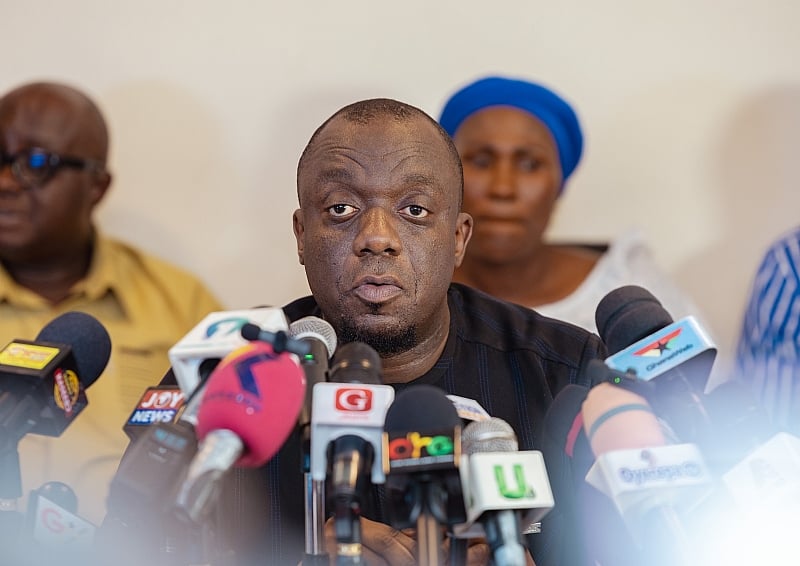
The New Patriotic Party (NPP) has raised serious concerns about the post-election conduct of the National Democratic Congress (NDC) following the December 7, 2024 general elections. NPP General Secretary, Justin Frimpong Kodua, accused the NDC of orchestrating a campaign of violence, intimidation, and lawlessness, jeopardizing Ghana’s democratic stability. These allegations range from physical assaults on Electoral Commission (EC) officials to the forceful takeover of collation centers and the coerced declaration of parliamentary results in the NDC’s favor. Mr. Kodua called for an immediate end to these actions and urged relevant authorities, including the Ghana Police Service and the EC, to take decisive action to restore order and uphold the rule of law. He further appealed to key stakeholders in Ghanaian society, such as religious bodies, the legal community, and the international diplomatic corps, to condemn the alleged violence and work towards preserving the peace and integrity of the democratic process.
The NPP’s accusations paint a disturbing picture of post-election unrest. Mr. Kodua detailed specific instances of alleged NDC misconduct, including the storming of the EC’s regional office in the Greater Accra Region, where party supporters allegedly locked up the facility, expelled security personnel, and disrupted the collation process. Similar incidents were reported in various constituencies across the country, with allegations of EC officials and NPP parliamentary candidates being physically assaulted and threatened with firearms to manipulate election outcomes. Mr. Kodua characterized these actions as a dangerous throwback to the authoritarian past, evoking the era of the Provisional National Defence Council (PNDC), which the NPP views as the NDC’s ideological predecessor. He questioned the NDC’s commitment to democratic principles, highlighting the irony of a party celebrating its presidential victory through alleged acts of violence and intimidation.
Central to the NPP’s concerns is the alleged inaction of the Ghana Police Service. Mr. Kodua accused the police of failing to intervene effectively to prevent or stop the violence, suggesting that officers were instructed to “stand down,” thereby emboldening the perpetrators. He expressed deep disappointment with the police leadership, particularly Inspector General of Police Dr. George Akuffo Dampare, stating that the alleged lack of professionalism would tarnish his legacy. The NPP’s criticism of the police underscores the critical role of security forces in maintaining order and protecting the integrity of the electoral process, raising questions about the effectiveness of their deployment and response during the post-election period.
Despite the alleged provocations, the NPP has committed to refraining from retaliatory actions. Mr. Kodua emphasized the party’s dedication to peace and its commitment to upholding Ghana’s 32-year-old democratic tradition. He stated that while the NPP has the capacity to respond in kind, it has chosen to prioritize the preservation of peace and stability. This restraint underscores the NPP’s desire to avoid escalating the situation and further destabilizing the country. However, the party’s commitment to peaceful means does not equate to acceptance of the alleged electoral malpractices; the NPP is demanding accountability and rectification of the purportedly manipulated parliamentary results.
While the NPP has accepted the presidential election results declared by the EC, the party is contesting the outcomes of several parliamentary races. Mr. Kodua asserted that the NPP will not recognize victories achieved through what he termed “brutish and undemocratic” means. The party is specifically demanding that the EC overturn the declarations in constituencies where they allege results were manipulated under duress, citing locations such as Dome-Kwabenya, Tema Central, and Obuasi East as examples. This selective challenge to the parliamentary results reflects the NPP’s strategy of accepting the overall presidential outcome while fighting for what they perceive as rightfully won seats in the legislature.
The NPP’s call for action extends beyond the EC and the police. Mr. Kodua urged key stakeholders, including civil society organizations, religious leaders, the legal profession, and the international community, to publicly condemn the alleged actions of the NDC. He expressed concern over what he perceived as the silence of these influential actors in the face of the alleged violence, emphasizing the importance of their voices in safeguarding Ghana’s democracy. This appeal for a broader societal response reflects the NPP’s belief that upholding democratic principles requires collective vigilance and action from all segments of society, not just political parties and state institutions. The NPP’s stance highlights the potential fragility of democratic institutions and the importance of proactive measures to protect them from threats of violence and intimidation.