The recent closure of 64 radio stations in Ghana by the National Communications Authority (NCA) sparked a controversy that highlighted the delicate balance between regulatory compliance and freedom of the press. The affected stations, including prominent pro-New Patriotic Party (NPP) outlets like Wontumi FM and Asaase Radio, were deemed non-compliant with the NCA’s regulations. This action immediately drew criticism, with many questioning the timing and perceived political motivations behind the closures, particularly given the approaching elections. The incident raised concerns about potential suppression of dissenting voices and the use of regulatory power to silence opposition media.
The situation took a dramatic turn just hours after the initial shutdowns, when then-President John Mahama directed the NCA to reinstate the broadcast licenses of all the affected stations. In a statement released by the Minister for Government Communications, Felix Kwakye Ofosu, the President emphasized the importance of regulatory compliance while also stressing the need to protect and enhance media freedom. He directed the Minister to collaborate with the NCA to establish a reasonable timeframe for the stations to regularize their authorization, suggesting a more conciliatory approach. This rapid reversal raised further questions about the initial decision-making process and the apparent lack of thorough consideration before implementing such a sweeping measure.
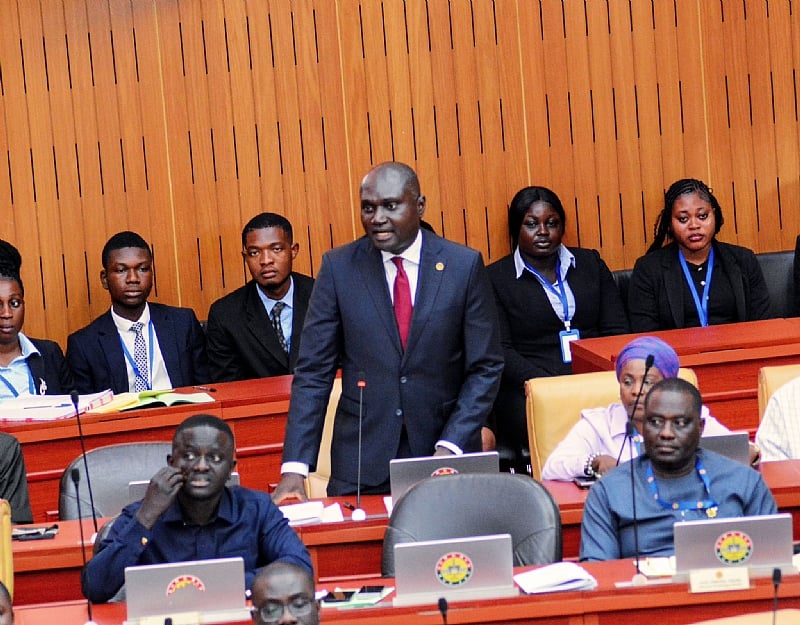
Charles Owiredu, the Member of Parliament for Abirem and Ghana’s former High Commissioner to South Africa, strongly criticized the government’s handling of the situation. He characterized the President’s swift reversal as a calculated political maneuver designed for public appeasement, labeling it “political optics” and a “settings government” in a social media post. Owiredu’s critique reflected a broader skepticism about the government’s commitment to media freedom and suggested that the initial closures were a politically motivated attempt to stifle opposition voices, subsequently reversed due to public backlash.
The incident underscores the complexities of media regulation in a democratic society. While the NCA has a mandate to ensure responsible use of the airwaves and enforce licensing regulations, the execution of this mandate must be transparent, consistent, and free from political interference. The seemingly arbitrary nature of the closures, followed by the abrupt reversal, fueled suspicions of political manipulation and undermined public trust in the regulatory process. The incident also highlighted the vital role of a free and independent media in holding power accountable and ensuring a vibrant public discourse.
The swift U-turn by the government, though welcomed by some as a victory for media freedom, did little to quell concerns about the underlying issues. Critics argued that the incident exposed a vulnerability in the system, where regulatory bodies could be potentially used to silence dissenting voices. Furthermore, the lack of clarity regarding the specific violations committed by the stations, coupled with the hasty reversal, fueled speculation about the true motivations behind the initial closures. The episode served as a reminder of the ongoing tension between the need for regulation and the imperative to protect freedom of expression.
The case of the 64 radio stations in Ghana serves as a valuable case study for media regulation in emerging democracies. It emphasizes the necessity for clear and transparent regulatory frameworks, applied consistently and without political bias. Furthermore, it highlights the importance of robust mechanisms for appeal and redress for media organizations facing regulatory action. The incident underscored the need for ongoing dialogue between government, regulatory agencies, and media stakeholders to ensure a balanced approach that upholds both the principles of responsible broadcasting and the fundamental right to freedom of expression. The events also highlighted the power of social media and public opinion in holding governments accountable for actions perceived as undermining democratic principles.