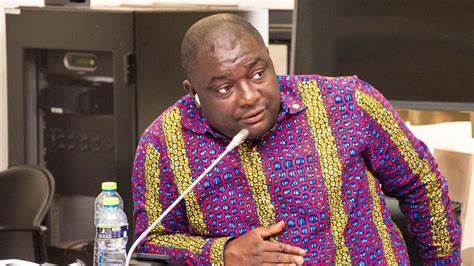
The New Patriotic Party (NPP) experienced a significant setback in the 2024 general election, a performance acknowledged as poor by Mpraeso MP, Davis Ansah Opoku. This electoral defeat necessitates a thorough investigation into the underlying causes to prevent a recurrence in the 2028 elections. The party’s vote share fell below its historical average, a concerning trend that demands immediate attention and corrective action. The formation of an investigative team signals the party’s commitment to understanding the factors contributing to this decline, employing a data-driven approach rather than resorting to blame allocation. The primary goal is to identify the reasons behind the loss and implement strategies to regain lost ground.
A crucial aspect of this investigation involves understanding the voter apathy observed in the 2024 elections. A significant number of voters who participated in the 2020 elections, estimated at 2.1 million, chose not to vote in 2024. Determining the demographic and geographic distribution of these absent voters is crucial. Are they concentrated within traditional NPP strongholds or dispersed across the country? Answering this question will help the party tailor its outreach and engagement strategies to specifically target these disenfranchised voters. Understanding their reasons for abstaining – whether due to dissatisfaction with the NPP, disillusionment with the political process, or other factors – is essential for regaining their trust and participation.
The NPP’s objective is not merely to win elections but to effectively serve the people. Therefore, analyzing the election results and understanding voter behavior should not be perceived as a personal attack but rather as a necessary step towards fulfilling the party’s mandate. The significant margin of defeat, exceeding 1.6 million votes, underscores the urgency of this introspection. The party needs to move beyond assigning blame and focus on constructive actions to reconnect with the electorate. This entails understanding the evolving needs and priorities of the Ghanaian population and adapting their policies and messaging accordingly.
The focus of the investigation must extend beyond simply identifying the reasons for the decline. It should also delve into developing actionable strategies for recovery. This may involve revisiting the party’s core values, refining its policy platform, strengthening its grassroots mobilization efforts, and improving its communication strategies. Addressing internal party dynamics and fostering unity will also be critical for projecting a strong and cohesive image to the electorate. The ultimate goal is to regain the trust and support of the Ghanaian people and demonstrate the party’s commitment to serving their interests.
The investigation must consider the broader political landscape and the factors that contributed to the rise of the opposition. Understanding the strengths and weaknesses of the competing parties will be crucial for developing effective counter-strategies. This includes analyzing the opposition’s messaging, campaign strategies, and voter mobilization efforts to identify areas where the NPP can improve its own performance. Furthermore, the party needs to adapt to the changing demographics and political preferences of the electorate. This requires engaging with young voters, addressing the specific concerns of different regions and communities, and incorporating diverse perspectives within the party’s leadership and policy-making processes.
The 2024 election served as a stark reminder of the dynamic nature of politics and the importance of continuous adaptation. The NPP’s willingness to conduct a thorough self-assessment and implement necessary changes will determine its future success. This process of introspection and renewal is crucial not just for the party’s electoral prospects but also for its ability to effectively serve the people of Ghana. The incoming administration of President-elect John Dramani Mahama, set to be sworn in on January 7, 2025, represents a new chapter in Ghanaian politics, and the NPP must be prepared to play a constructive role, whether in government or as the opposition.