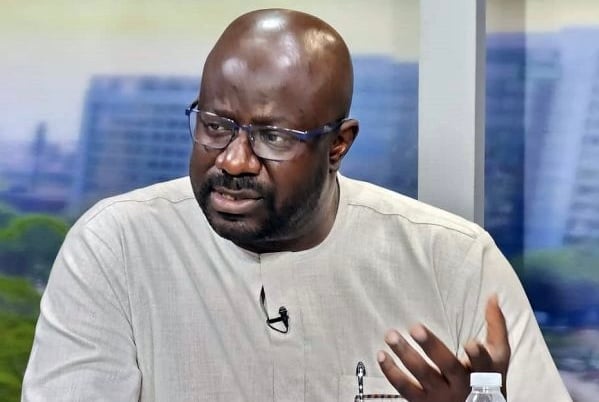
The 2024 Ghanaian general elections witnessed a significant financial outlay by parliamentary candidates, particularly within the New Patriotic Party (NPP). Dr. Dickson Adomako Kissi, the outgoing NPP MP for Anyaa-Sowutuom, estimated that each NPP parliamentary candidate spent an average of GH¢10 million, a staggering sum encompassing expenses from the party primaries to the general elections. This substantial investment underscores the high financial stakes involved in pursuing political office in Ghana. The candidates, driven by the ambition to serve and the belief in their potential victory, incurred these significant costs, often placing a heavy burden on their personal resources. The eventual outcome of the elections, however, proved disappointing for many, adding a layer of emotional distress to the financial strain.
The NPP’s performance in the 2024 parliamentary elections fell short of expectations. The party secured approximately 80 out of the 276 seats, a considerable decline in their parliamentary representation. This outcome, juxtaposed with the significant financial investments made by individual candidates, highlights the risks and uncertainties inherent in electoral politics. The financial commitment did not guarantee success, leaving many candidates grappling with both financial losses and the emotional disappointment of defeat. This scenario raises questions about the sustainability of such high campaign expenditures and the potential barriers it creates for individuals aspiring to political office.
Dr. Adomako Kissi’s revelation sheds light on the financial landscape of Ghanaian politics. The GH¢10 million average expenditure per candidate indicates a significant investment in campaigning, likely encompassing various aspects such as advertising, rallies, constituency outreach, and logistical support. The substantial financial burden raises concerns about the potential influence of money in politics and the accessibility of political office for individuals with limited financial resources. It also underscores the need for greater transparency and accountability in campaign financing to ensure a level playing field and prevent undue influence by wealthy individuals or special interest groups.
The NPP’s struggles in the 2024 elections extended beyond the parliamentary races to the presidential contest. The party’s candidate lost to former President John Dramani Mahama of the National Democratic Congress (NDC), who secured 56.55% of the votes. This double blow – the loss of both the presidency and a significant number of parliamentary seats – further compounded the disappointment felt within the NPP. The party’s overall performance suggests a need for introspection and strategic reassessment to understand the factors contributing to the electoral setback.
The financial and emotional toll on the NPP candidates resulting from the election outcome cannot be overstated. The investment of GH¢10 million, coupled with the disappointment of defeat, represents a significant personal cost for many individuals. The emotional impact of losing an election, particularly after such a substantial financial commitment, can be profound, potentially impacting future political aspirations and creating a sense of disillusionment with the electoral process. This highlights the need for support systems and resources to assist candidates in coping with the aftermath of an unsuccessful campaign.
The 2024 Ghanaian elections provide a valuable case study on the financial dynamics of electoral politics. The substantial expenses incurred by candidates, particularly within the NPP, raise important questions about campaign finance regulations, the accessibility of political office, and the emotional impact of electoral outcomes. The experience of the NPP candidates underscores the importance of strategic planning, effective resource allocation, and the need for resilience in navigating the challenges and uncertainties of the political landscape. Furthermore, it highlights the need for ongoing dialogue and potential reforms to ensure a more equitable and transparent electoral process in Ghana.