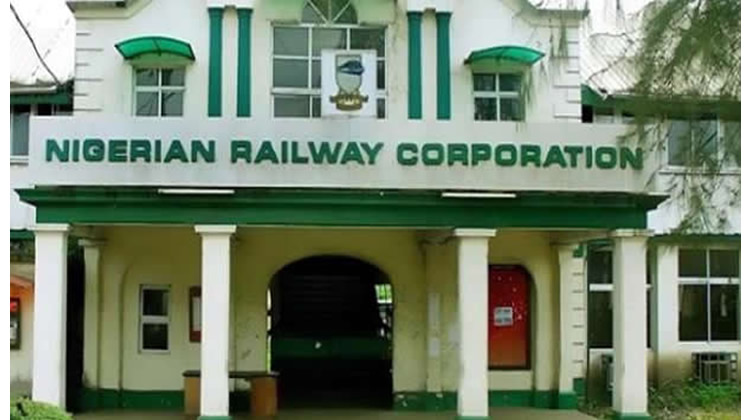
The Crisis within Nigeria Railway Corporation: A Deep Dive into Allegations of Misconduct and Worker Displacement
The Nigeria Railway Corporation (NRC) is facing internal turmoil stemming from accusations of sharp practices and the controversial displacement of workers from their staff quarters in Kano. The crisis has escalated into a public feud between the local chapter of the NRC workers’ union and the national leadership, raising concerns about transparency, accountability, and the well-being of affected employees.
The heart of the dispute lies in the alleged conversion of staff quarters for private use by the General Manager of the Nigerian Railway Properties Ltd (NRPL), the business arm of the NRC. Workers in Kano allege that they were dislodged from their homes without due process, with some accusing the NRPL General Manager of orchestrating the sale of these quarters without following proper procedures. This action has triggered a wave of protests and petitions, including one addressed to the Attorney-General of the Federation, seeking redress for the alleged injustice.
The situation is further complicated by conflicting narratives from the union leadership and the affected workers. Innocent Ajiji, the National President of the union, claims that the displaced workers have been provided alternative accommodation in a new building. However, the suspended chairman and secretary of the Kano chapter vehemently deny this claim, asserting that the "new" accommodation was initially offered to them under a rental agreement with the promise of eventual ownership. They accuse Ajiji of reneging on this agreement and subsequently offering the same units for rent at exorbitant prices, ranging from N120,000 for a single room to N330,000 for a two-bedroom flat.
The workers have documented their claims in a letter addressed to the NRC Managing Director, Kayode Opeifa, the Nigeria Labour Congress, and the national body of the corporation’s workers’ union. This letter details their grievances, refutes Ajiji’s claims, and calls for a thorough and impartial investigation into the matter. They have also provided video evidence to support their allegations, emphasizing the discrepancy between Ajiji’s public statements and the reality on the ground. The workers feel betrayed by the national leadership, which they believe has prioritized the interests of the management over the welfare of its members.
Adding fuel to the fire, the suspension of the Kano chapter’s chairman, secretary, and other executive members has raised concerns about potential retaliation against those who have dared to speak out against the alleged mismanagement. The suspended officials have expressed fear of further reprisals, particularly given the national president’s alleged threat to have them sacked. This threat, they argue, underscores the power imbalance within the organization and the vulnerability of workers who challenge the status quo.
The crisis within the NRC highlights critical issues of worker rights, transparency, and accountability within public corporations. The allegations of improper conversion of staff quarters, coupled with the conflicting accounts and the suspension of union leaders, paint a picture of an organization grappling with internal divisions and a potential disregard for established procedures. A thorough and independent investigation is essential to uncover the truth, address the grievances of the affected workers, and restore trust within the organization.
The ongoing dispute within the Nigeria Railway Corporation unveils a complex interplay of accusations, denials, and power struggles that threaten the stability and integrity of the organization. The core contention revolves around the displacement of workers from their staff quarters and the conflicting narratives surrounding the provision of alternative accommodation. The workers’ allegations of sharp practices, coupled with the suspension of union leaders, demand a comprehensive and unbiased investigation to determine the facts and address the concerns of the affected employees.
The workers’ letter to the NRC Managing Director and other relevant bodies serves as a formal complaint detailing their grievances and calling for a transparent investigation. They accuse the NRPL General Manager of converting staff quarters for private use and selling them without due process, leaving them without adequate housing. The suspended union leaders challenge the national president’s claims of providing alternative accommodation, asserting that the offered units are being rented out at exorbitant prices, contrary to initial promises.
The conflicting statements from the national union president and the suspended local chapter executives highlight the deep divisions within the organization. While Ajiji maintains that alternative housing has been provided, the Kano chapter officials present evidence, including a written agreement and video recordings, to counter this claim. They accuse Ajiji of misleading the public and betraying the trust of the workers he represents. This discrepancy underscores the need for an independent inquiry to determine the veracity of both sides’ claims.
The suspension of the Kano chapter’s leadership raises serious concerns about potential retaliation against those who have voiced their concerns. The alleged threat of dismissal by the national president further exacerbates these concerns, suggesting an environment of intimidation and suppression of dissent. Such actions, if proven true, would undermine the principles of fair labor practices and freedom of association. An investigation should not only address the housing issue but also examine the circumstances surrounding the suspensions and ensure that due process is followed.
The crisis within the NRC transcends a simple dispute over housing. It exposes deeper issues of governance, transparency, and accountability within the organization. The allegations of misconduct and the apparent disregard for established procedures raise questions about the overall management of the NRC and its subsidiary, the NRPL. A thorough investigation is crucial to uncover the truth, hold those responsible accountable, and restore confidence in the integrity of the corporation.
The plight of the displaced workers underscores the importance of protecting employee rights and ensuring fair treatment within public institutions. The allegations of unfair eviction and the subsequent controversy surrounding alternative accommodation highlight the vulnerability of workers facing powerful interests. The investigation should prioritize the well-being of the affected employees and ensure that they are provided with adequate housing and compensation for any losses they may have incurred. Furthermore, the investigation should address the broader systemic issues that may have contributed to this crisis, including the lack of transparency and the apparent disregard for established procedures. This will not only provide justice for the affected workers but also help prevent similar situations from arising in the future.