









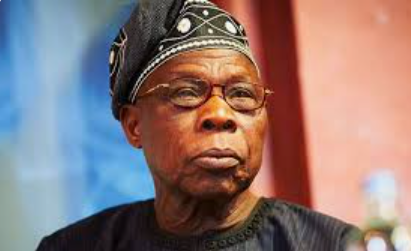
Former President Olusegun Obasanjo has voiced urgent concerns regarding Nigeria’s escalating insecurity, which he believes demands immediate intervention. During a recent visit to Bauchi State, where he inaugurated several road projects overseen by Governor Bala Mohammed, he expressed his belief that Nigeria and other African nations were not destined for poverty but rather suffer from the consequences of poor leadership. Obasanjo’s poignant remarks reflect a growing sentiment among Nigerian leaders and citizens alike that the country’s current challenges stem from systemic failures at the governance level, rather than an absence of potential.
In the context of addressing the prevailing security threats, Obasanjo stressed the pivotal role of community policing. He indicated that fostering relationships among community members and encouraging them to be vigilant regarding their neighbors is essential for effectively identifying and mitigating criminal activities. His assertion is grounded in the belief that knowing the people within a community allows for the easy identification of potential threats, thereby creating a safer environment. He lamented the deteriorating state of security compared to his administration’s tenure, when security of lives and properties was prioritized, and called for immediate action to rectify the current situation.
Obasanjo urged traditional rulers to champion the cause of community policing within their jurisdictions, emphasizing that collaborative efforts are crucial for reducing crime rates. Reflecting on his earlier leadership experience, he noted that collective decision-making and mutual focus contributed significantly to achieving security during his presidency. He reiterated the necessity for unity, peace, and a collective approach to restore Nigeria’s favorable conditions. Obasanjo’s perspective on collective efforts resonates deeply in the Nigerian context, where fragmented governance has often complicated the pursuit of national cohesion.
Alongside his focus on security, Obasanjo shared a personal story regarding his health, specifically his experience with hearing loss, which led to the establishment of the Olusegun Obasanjo Foundation. His journey of discovering he was partially deaf while abroad highlights the importance of awareness and medical intervention, as many individuals may remain oblivious to their hearing difficulties. The foundation has since offered ear treatments and hearing aids to numerous Nigerians. Obasanjo announced plans to extend support to over 10,000 individuals in Northeast Nigeria, starting with 2,000 beneficiaries in Bauchi, underscoring the dual nature of his advocacy—addressing both public health and security.
Governor Bala Mohammed of Bauchi State added context to the importance of infrastructure in development during the same event, stating that leadership should transcend personal ambition and focus on collective welfare. He described the road projects being inaugurated as part of a broader strategy to enhance access and improve standards of living in the state. Mohammed’s government has prioritized road construction and rehabilitation, highlighting that well-maintained roads are vital for facilitating economic activities and connecting communities. With 116 road projects totaling over 1,400 kilometers constructed, the governor emphasized that the newly completed roads are critical milestones in his administration’s vision for a transformed Bauchi.
In summary, the dialogue initiated by Obasanjo in Bauchi highlights the interconnected challenges of insecurity, health, and infrastructure development within Nigeria. His emphasis on community policing, collective efforts, and proactive community engagement serves as a call to action for citizens and leaders alike. As he embarks on providing hearing aids and addressing health concerns, his leadership legacy intertwines with pressing socio-political issues. The collaborative efforts articulated by leaders like Obasanjo and Governor Mohammed indicate a shared recognition that progress requires unity, strategic planning, and a commitment to addressing both immediate security concerns and long-term developmental goals in Nigeria.









