









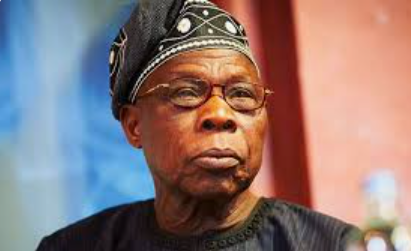
Former President Olusegun Obasanjo, a prominent figure in Nigerian and African politics, recently offered a glimpse into his life journey, highlighting key moments and motivations that shaped his trajectory. Speaking to a group of young African leaders, Obasanjo connected his personal experiences with broader themes of national service, leadership, and the importance of speaking out against injustice. His narrative, encompassing military service, farming, imprisonment, and ultimately the presidency, serves as a compelling case study in resilience and commitment to one’s country.
Obasanjo’s decision to enter public life, particularly his acceptance of the presidency in 1999, stemmed from a deep sense of responsibility towards Nigeria. He believed the nation was on the brink of disintegration and felt compelled to intervene. This sense of duty, combined with his energetic and dynamic personality, pushed him to take on the challenge of leading the country through a turbulent period. This decision followed a period of self-imposed exile from politics, during which Obasanjo dedicated himself to farming, a pursuit he embraced after retiring from the military at a relatively young age. This period of quiet reflection and engagement with the land provided a stark contrast to the political turmoil that would later draw him back into the national arena.
The former president’s outspokenness, a defining characteristic throughout his career, has not been without its consequences. He candidly revealed that his vocal criticism of the military regime of General Sani Abacha led to his imprisonment in 1995. This experience, though undoubtedly challenging, solidified his commitment to speaking truth to power, even at personal risk. Obasanjo’s willingness to endure imprisonment for his beliefs underscores his unwavering dedication to principles and his belief in the importance of holding those in power accountable. His time in prison served as a crucible, further shaping his resolve and solidifying his commitment to a better Nigeria.
Beyond his personal experiences, Obasanjo also addressed critical contemporary issues facing Africa, particularly the escalating debt burden. He criticized the mismanagement and corruption that contribute to unsustainable debt levels, citing a poignant example of a loan taken by a Nigerian state for a carpet industry that never materialized, yet the debt was still repaid. This anecdote highlights the systemic issues of financial mismanagement and lack of accountability that plague many African nations. Obasanjo’s willingness to address these difficult topics underscores his commitment to responsible governance and sustainable development across the continent. His critique serves as a call for greater transparency and accountability in the management of public funds.
During his interaction with the young leaders, Obasanjo commended Pastor Chris Oyakhilome, founder of the Future Africa Leaders Foundation, for his ongoing efforts in empowering African youth. He recognized the significance of investing in the next generation of leaders and emphasized the cumulative impact of individual contributions, however small they may seem. Obasanjo’s endorsement of Oyakhilome’s initiative highlights the importance of mentorship and support for young people who will shape the future of the continent. His words of encouragement resonated with the award recipients, reinforcing their commitment to leadership and positive change.
Obasanjo’s message to the young leaders was one of empowerment and urgency. He encouraged them to embrace their roles as present-day leaders, not future ones, and to take proactive, even disruptive, action to create meaningful change. He urged them to be the torchbearers of progress and to leverage their skills and passion to address the challenges facing their communities and the continent as a whole. The visit to Obasanjo’s Presidential Library provided the young leaders with valuable insights into his life and legacy, further inspiring them to take up the mantle of leadership and contribute to a brighter future for Africa. The diverse representation of participants from various African countries underscored the pan-African nature of the initiative and the shared commitment to leadership development across the continent.









