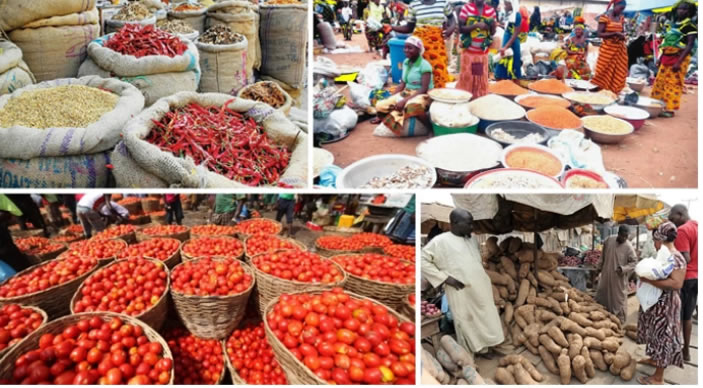
In October 2024, Nigeria experienced a significant spike in the cost of staple foods such as rice, yam, plantains, and beans, coinciding with an increase in the country’s headline inflation rate, which reached 33.88%, up from 32.7% in September. This 1.18 percentage point rise in inflation reflects ongoing economic challenges that have been affecting the nation for an extended period. The National Bureau of Statistics reported that this inflation surge is primarily due to climbing transportation costs coupled with escalating food prices. Such economic conditions pose substantial hurdles for many Nigerians, particularly regarding the affordability of essential goods, which is critical for their everyday lives.
The ramifications of this inflationary trend are particularly severe for lower-income households, which are disproportionately affected by rising prices. With the cost of basic food items soaring, these families face increasing difficulties in making ends meet. The challenge of affording staple foods—which constitute a significant part of the average Nigerian diet—exacerbates the already pressing issue of poverty. As families allocate more of their budgets to food, their ability to spend on other necessities such as healthcare, education, and transportation diminishes, further entrenching a cycle of economic hardship.
Transportation costs, one of the key drivers of inflation in Nigeria, have risen sharply due to various factors, including fuel price increases and supply chain inefficiencies. As transportation becomes more expensive, it inevitably affects the prices of goods throughout the market, especially food items that rely heavily on logistical networks for distribution. Consequently, the food supply chain is under strain, making it increasingly challenging for consumers to access affordable staple foods. This scenario not only affects households but also poses risks to food security across the country, as higher food prices may lead to increased malnutrition among vulnerable populations.
The broader economic implications of escalating food prices cannot be overstated; they create a ripple effect throughout the economy that impacts business operations, consumer behavior, and overall economic growth. As households tighten their budgets in response to rising food and transportation costs, spending in other areas declines, which can hinder the growth of various sectors. A weaker consumer base may lead to reduced demand for non-essential goods and services, further limiting economic recovery efforts that are critical for long-term stability.
In an environment marked by such economic uncertainty, Nigerians are exploring various avenues to mitigate the effects of inflation and improve their financial situations. Some have turned to trading in commodities and investments as an alternative means of generating income in light of rising living costs. Participation in trading—whether through forex, bitcoin, or other financial instruments—offers individuals the potential for returns that could outpace the increasing cost of living, thus providing an avenue for building wealth despite challenging economic conditions.
As the country grapples with the dual challenges of inflation and rising staple food prices, it is evident that concerted efforts are needed to address these issues and support affected households. Policymakers will need to consider interventions that can alleviate transportation costs and stabilize food prices to ensure access to basic goods for all Nigerians. Additionally, promoting financial literacy and opportunities for investment in the face of economic hurdles can empower citizens to navigate these hardships more effectively while fostering resilience in the economy as a whole.