









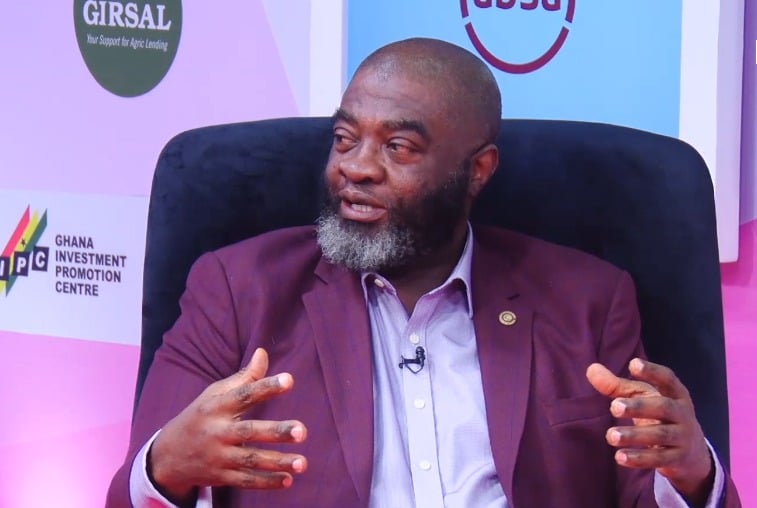
The prospect of Donald Trump’s return to the US presidency has ignited a crucial conversation about Africa’s reliance on foreign aid and the urgent need for self-sufficiency. David Ofosu-Dorte, a prominent legal expert, argues that Trump’s previous actions, particularly his drastic cuts to USAID funding, should serve as a stark reminder for African nations to prioritize their own development agendas. Trump’s foreign policy approach, characterized by a dismissive attitude towards Africa, underscores the vulnerability of relying on external assistance. This potential shift in global power dynamics presents an opportunity for Africa to reassess its strategies and forge a path towards sustainable growth driven by internal resources and innovation.
Trump’s first term saw significant reductions in foreign aid, impacting various development programs across Africa. These cuts affected crucial sectors such as health, education, food security, and governance, undermining progress and creating uncertainty for many African nations. The withdrawal of substantial funding from South Africa, ostensibly due to disagreements over land redistribution policies, exemplifies the precarious nature of aid dependency. This particular instance highlights the potential for political considerations to override development needs, jeopardizing critical initiatives like HIV/AIDS treatment and economic empowerment programs. Ofosu-Dorte emphasizes that Trump’s disregard for Africa, evident even during his inauguration where African leaders were notably absent, should be a clear signal for the continent to take ownership of its destiny.
The core of Ofosu-Dorte’s argument revolves around the imperative for Africa to recognize its own potential and prioritize self-reliance. He contends that continued dependence on foreign aid leaves African nations vulnerable to the whims of external actors, whose priorities may not align with the continent’s long-term development goals. Trump’s actions, driven by his “America First” agenda, vividly demonstrate the risks inherent in relying on the benevolence of other nations. This precarious situation necessitates a fundamental shift in mindset, urging African nations to embrace innovation, leverage internal resources, and foster intra-continental cooperation to achieve sustainable and equitable growth.
The potential consequences of Trump’s return extend beyond immediate funding cuts. His policies, often characterized by protectionism and a disregard for multilateral agreements, could further destabilize global trade and hinder Africa’s access to international markets. This underscores the urgency for African nations to diversify their economies, strengthen regional partnerships, and build resilience against external shocks. The emphasis on self-reliance should not be interpreted as isolationism, but rather as a strategic move to empower African nations to negotiate from a position of strength and ensure that their development priorities are not compromised by shifting global political landscapes.
Ofosu-Dorte’s call for a reassessment of aid dependency aligns with a growing chorus of voices advocating for a more equitable and sustainable development model for Africa. This perspective emphasizes the importance of investing in human capital, promoting good governance, and creating an enabling environment for entrepreneurship and innovation. The focus should shift from reliance on external handouts to building robust internal systems that can drive economic growth, create jobs, and improve the living standards of all Africans. This requires a concerted effort from governments, civil society organizations, and the private sector to work together towards a common vision of a prosperous and self-reliant Africa.
Ultimately, the potential return of Donald Trump to the US presidency serves as a catalyst for introspection and action within Africa. It underscores the need for a paradigm shift away from aid dependency towards a model of self-sufficiency driven by innovation, strategic partnerships, and a commitment to building a more prosperous future for all Africans. This is not merely a matter of economic prudence, but a fundamental imperative for securing the continent’s long-term stability, resilience, and sovereignty. The opportunity presented by this potential turning point is for African nations to seize control of their own destiny and forge a path towards sustainable and equitable development on their own terms.









