





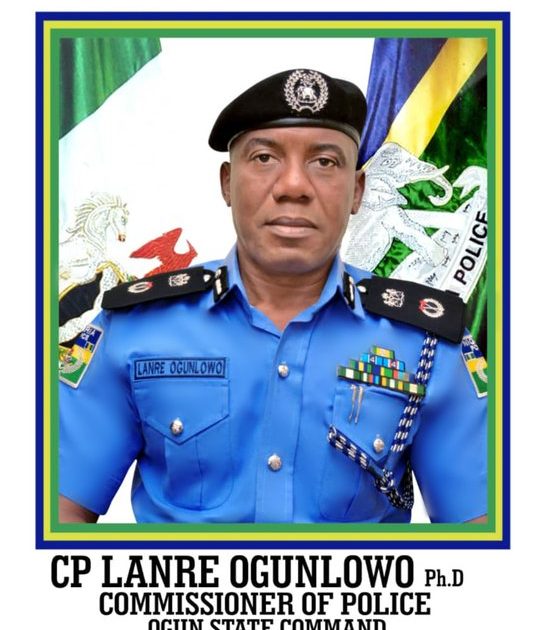
The Ogun State Police Command has taken a proactive step to enhance community policing and improve police-citizen relations by publicly releasing the phone numbers of its senior officers. This initiative aims to foster greater accessibility and responsiveness within the police force, enabling citizens to directly communicate with high-ranking officers in cases of emergencies, complaints, or to provide valuable information. This move signifies a commitment to transparency and accountability, bridging the communication gap between the police and the public.
The contact information made available includes the phone numbers of the Commissioner of Police, Deputy Commissioners in charge of various departments like Operations, Administration, and State Criminal Investigation Department, as well as Area Commanders and Divisional Police Officers (DPOs) across all local government areas in Ogun State. By disseminating these contact details widely, the police aim to empower citizens to report crimes promptly, offer feedback on police performance, and collaborate with law enforcement in maintaining peace and security within their communities. This direct line of communication should contribute to swifter responses to distress calls, faster investigation of complaints, and potentially prevent escalation of security issues due to communication delays. The initiative complements other community policing efforts already in place, underscoring the Ogun State Police Command’s commitment to fostering a collaborative approach to security management.
This strategic approach to citizen engagement reflects a broader shift towards community-oriented policing strategies. By facilitating direct contact with senior officers, the initiative breaks down traditional bureaucratic barriers that often hinder effective communication between citizens and law enforcement. It acknowledges the crucial role of public participation in crime prevention and resolution, recognizing that a well-informed and engaged citizenry is a valuable partner in ensuring public safety. The accessibility provided by this initiative fosters a sense of shared responsibility for security, encouraging citizens to become active participants in maintaining peace within their communities. It allows for direct feedback, enabling citizens to commend positive police actions and register complaints about unprofessional conduct, fostering greater accountability within the force.
Furthermore, the readily available contact information of senior officers streamlines the process of reporting crimes and providing vital intelligence. In critical situations, where time is of the essence, citizens can quickly reach out to the appropriate authorities without navigating complex bureaucratic channels. This immediacy can be crucial in apprehending criminals, preventing further harm, and ensuring swift response to emergencies. It also empowers citizens to directly report instances of police misconduct, facilitating internal investigations and disciplinary actions, further enhancing accountability and professionalism within the police force. Moreover, the direct access contributes to building trust between the police and the community, as it demonstrates a willingness to listen to citizen concerns and address them promptly.
The expected impact of this initiative is multifaceted. By fostering closer collaboration between the police and the public, it is anticipated to lead to a reduction in crime rates, swifter response times to emergencies, improved crime resolution rates, and enhanced community safety. It promotes a sense of shared responsibility for security, creating a collaborative environment where citizens and law enforcement work together towards a common goal. Moreover, the initiative provides a platform for constructive dialogue, enabling citizens to voice their concerns and offer suggestions for improving policing strategies within their communities. This feedback loop is crucial for adapting policing strategies to meet the specific needs and challenges of different localities within the state.
In conclusion, the Ogun State Police Command’s decision to publicly share the contact information of its senior officers represents a significant stride towards building stronger police-citizen relations and promoting a more effective, community-oriented approach to policing. This transparency and accessibility empowers citizens to actively participate in crime prevention and report incidents promptly, ultimately contributing to a safer and more secure environment for all residents of Ogun State. The initiative exemplifies a progressive approach to law enforcement, recognizing the vital role of public engagement in achieving shared security goals. The success of this initiative will depend on the responsiveness of senior officers to calls and messages received, maintaining open communication channels, and actively addressing citizen concerns. It serves as a model for other police commands nationwide, showcasing the potential benefits of increased transparency and accessibility in fostering stronger police-community partnerships.








