









Yinka Lawal, the newly elected Chairman of the Poultry Association of Ogun State (PANOG), has issued a clarion call to all tiers of government in Nigeria to prioritize food production through mechanization in the year 2025. He emphasized the need to shift focus from frivolous spending and invest in agricultural infrastructure as a sustainable solution to the escalating food insecurity crisis plaguing the nation. Lawal pointed out the stark reality that a relatively small number of farmers are tasked with feeding a population exceeding 200 million, a situation that can only worsen without a deliberate and committed governmental intervention in promoting mechanized farming. He argued that the continual rise in food prices is a direct consequence of this neglect and can only be addressed through a systemic overhaul of the agricultural sector.
Lawal’s appeal centered on a strategic reallocation of resources. He urged governments to forgo the acquisition of luxury vehicles, symbolized by SUVs, and instead channel those funds towards the purchase of tractors, harvesters, and other essential equipment that would facilitate large-scale cultivation of the vast arable land readily available across Nigeria, particularly in the Southwest. He dismissed palliative measures as short-sighted and unsustainable, emphasizing that only a comprehensive embrace of mechanization can effectively address the root causes of food insecurity and avert a looming food crisis. To underscore the potential of this approach, Lawal highlighted the significant economic activity within the poultry industry in Ogun State alone, where farmers require at least 100 trailer loads of maize monthly. He argued that producing this maize locally, through mechanized farming, would create a ripple effect of economic benefits within the state and serve as a model for national agricultural development.
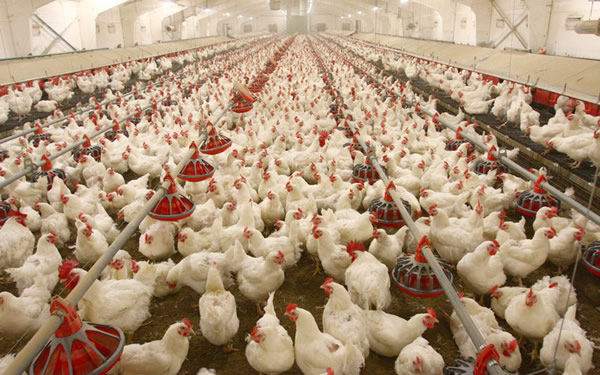
The Chairman further addressed the issue of inflated chicken prices during the recent Yuletide season, placing the blame squarely on “emergency backyard poultry farmers” and opportunistic middlemen. He categorically stated that PANOG members maintained a consistent price ceiling of N15,000 per chicken, refuting reports of prices ranging between N25,000 and N30,000. Lawal explained that these temporary poultry operations, often lacking the scale and expertise of established farms, incur significantly higher production costs, which are then passed on to consumers during periods of high demand. He contrasted this with the advantages enjoyed by PANOG members, who benefit from bulk purchasing of feed, access to valuable industry information, and other cost-saving measures facilitated by the association.
Lawal extended an invitation to these smaller-scale farmers, urging them to join the Poultry Association of Ogun State to gain access to these advantages. He underscored the potential for collective bargaining and shared resources to significantly reduce production costs, allowing them to compete effectively without resorting to price gouging during peak seasons. This, he argued, would not only benefit the farmers themselves but also contribute to stabilizing market prices and ensuring greater affordability of poultry products for consumers.
In essence, Lawal’s message is twofold: First, he advocates for a paradigm shift in governmental spending, prioritizing investment in agricultural mechanization over non-essential expenditures. He believes this is the key to unlocking Nigeria’s agricultural potential, creating a sustainable food system, and boosting the national economy. Second, he calls for greater unity and collaboration within the poultry farming sector, encouraging smaller-scale producers to join the association and leverage its resources to enhance their efficiency and competitiveness. This, he believes, will foster a more stable and sustainable market that benefits both producers and consumers alike.
The Chairman’s pronouncements reflect a deep concern for the future of food security in Nigeria and a conviction that proactive measures are urgently needed to avert a crisis. He believes that through strategic investment and collaborative efforts, the nation can harness its agricultural potential and ensure food affordability for all its citizens. His call to action is not merely a plea for governmental support, but a blueprint for a more resilient and prosperous agricultural sector that can effectively feed a growing population and contribute significantly to national economic development.









