The Chamber of Oil Marketing Companies (COMAC) in Ghana has vehemently opposed the immediate implementation of the newly introduced Energy Sector Shortfall and Debt Repayment Levy (ESSDRL), slated to commence on June 9th, 2025. COMAC’s rejection stems from multiple concerns, primarily focusing on the abruptness of the announcement, the lack of consultation, and the impracticalities of implementing such a significant change with minimal notice. Their discontent is further fueled by the perceived disregard for industry stakeholders and the potential negative repercussions for both businesses and consumers.
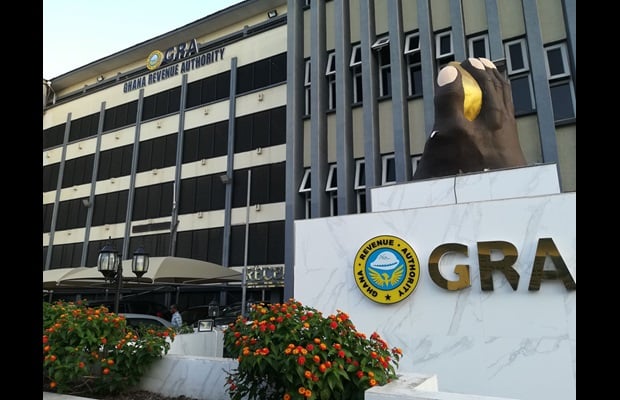
COMAC’s formal protest, addressed to the Ghana Revenue Authority (GRA), articulates their “utmost dismay” over the last-minute directive, characterizing it as unlawful, impractical, and disruptive to operations. The Chamber strongly criticizes the timing and method of communication, having received the directive on a Sunday morning, merely hours before the levy’s intended implementation on Monday. The fact that the directive itself was backdated to a public holiday and delivered over the weekend further exacerbates COMAC’s concerns, leading them to view the move as coercive and reminiscent of a “military regime” approach. They argue that such abrupt actions undermine due process and create an environment of uncertainty and instability within the industry.
Central to COMAC’s argument is the lack of adequate time for Oil Marketing Companies (OMCs) to adjust their systems and manage existing stock. The sudden implementation of the ESSDRL poses significant challenges for cash-and-carry operators, who would be forced to absorb the increased cost without prior budgeting. The Chamber contends that the short notice renders compliance impossible and underscores the need for a more reasonable transition period. This lack of consideration, according to COMAC, disregards their role as key stakeholders in the energy sector and reinforces the perception of being treated as mere “bystanders” rather than active participants in policy implementation.
COMAC further argues that the ESSDRL significantly increases the tax and levy burden on petroleum products, raising it from 22% to 26% of the ex-pump price. This, they warn, will have far-reaching consequences, undermining industry competitiveness, threatening the survival of businesses, and ultimately impacting consumers through increased fuel prices. The Chamber asserts that the levy’s impact hasn’t been thoroughly considered and that the sudden implementation will exacerbate existing economic pressures. They emphasize the need for a more comprehensive approach that considers the long-term implications of the levy and mitigates its potential negative effects on the industry and consumers.
Furthermore, COMAC highlights the seemingly superficial nature of a previous meeting held with the Minister for Energy and Green Transition on June 5th. During this meeting, COMAC presented a three-point plan designed to mitigate the impact of the new levy. However, they claim their proposals were ignored, leading them to believe the meeting was “merely ceremonial” and lacked genuine engagement from the government. This perceived dismissal of their concerns reinforces their frustration and underscores the lack of collaborative decision-making between the government and industry stakeholders. COMAC argues that their expertise and insights are crucial for effective policy implementation and that their exclusion from the decision-making process contributes to the current impasse.
In light of these concerns, COMAC categorically states its inability and unwillingness to implement the ESSDRL on the stipulated date. They demand a minimum two-week transition period, proposing June 16th, 2025, as a more realistic implementation date. This timeframe, they argue, would allow the industry adequate time to adjust its systems, manage existing stock, and prepare for the increased levy. COMAC concludes its statement by reiterating their status as industry stakeholders and their expectation of being treated with respect and consideration, rather than being subjected to “Rambo-style directives.” Their firm stance highlights the need for collaborative dialogue and a more transparent approach to policy implementation within the energy sector. They urge the government to reconsider its approach and engage in meaningful consultations with industry stakeholders to ensure a smoother and more equitable transition to the new levy.