





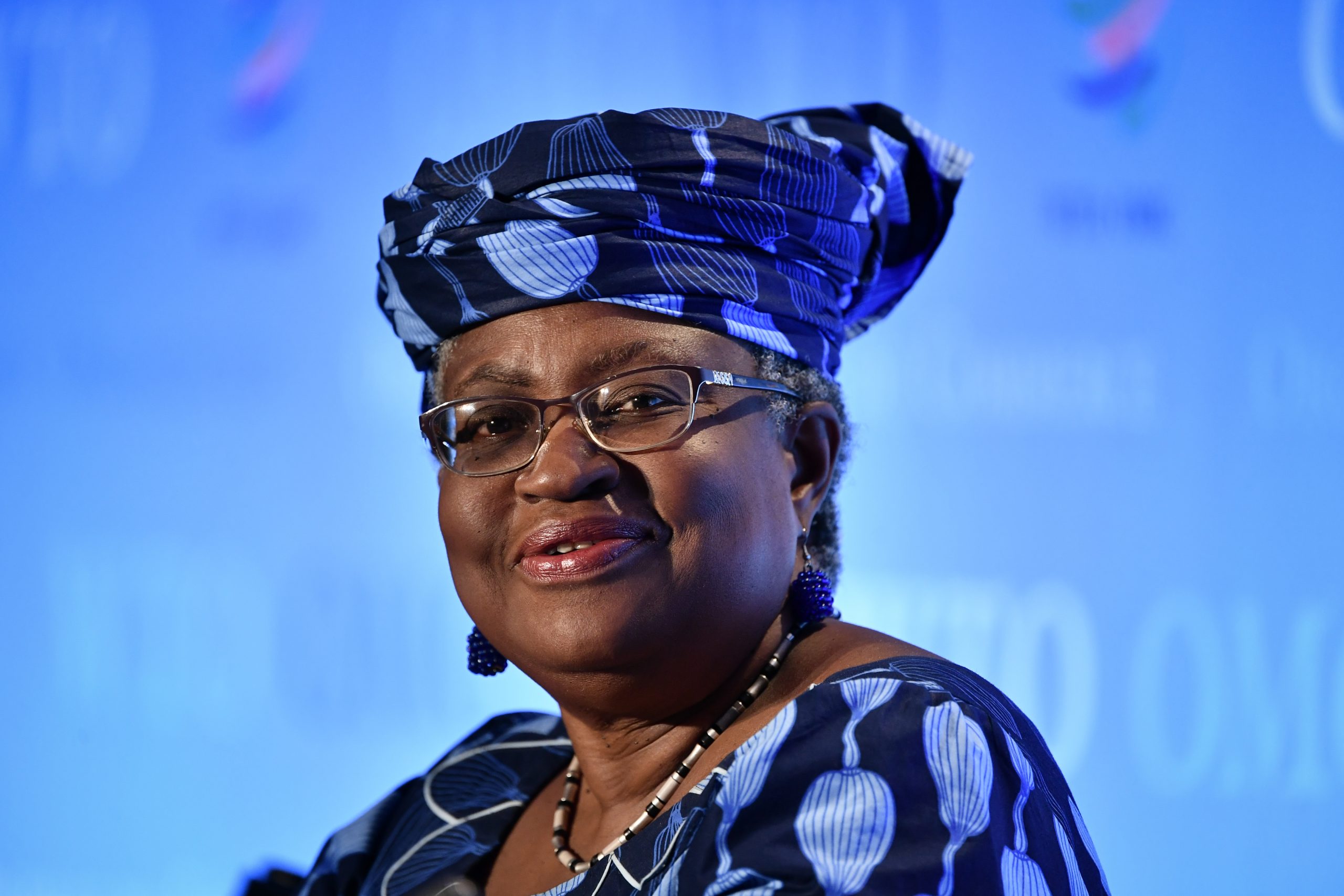
At the World Food Forum in Rome, the Director-General of the World Trade Organisation (WTO), Ngozi Okonjo-Iweala, emphasized the critical role of trade in ensuring global food stability. Hosted by the United Nations Food and Agriculture Organisation (FAO), the forum highlighted the necessity of a collaborative approach between trade and agricultural sectors to address pressing challenges in food security. Okonjo-Iweala asserted that a free, fair, open, and predictable multilateral trading system, along with modernized trade rules established by the WTO, is essential for constructing an agrifood system capable of providing sustainable nourishment for the global population today and in the future. Building upon the existing partnership between the WTO and FAO, she expressed the organization’s commitment towards updating trade regulations to foster a more efficient and equitable agricultural market.
Furthermore, Okonjo-Iweala pointed out that complementing the multilateral trading system with effective domestic policies is imperative to minimizing market distortions and enhancing competition among farmers. She underscored the significance of providing essential public goods to farmers, including research initiatives, pest and disease control measures, effective water management strategies, and extension services. These initiatives are vital for improving agricultural productivity and sustainability in a world confronted with increasing food insecurity. The WTO’s collaborative endeavor with the FAO aims to refine trade rules while ensuring that domestic policies simultaneously bolster agricultural output and environmental stewardship.
According to the FAO, a staggering 733 million individuals are grappling with hunger, predominantly in regions such as Africa and South Asia. Okonjo-Iweala conveyed concern over the slow pace of progress in addressing hunger and malnutrition, stressing that current efforts fall short of meeting the Sustainable Development Goals set for 2030. Climate change emerged as a significant threat to food systems, influencing water and land management practices, contributing to biodiversity loss, and increasing deforestation. Notably, she highlighted that 55 percent of global food production occurs in regions experiencing unstable water storage trends, further complicating agricultural outputs.
The adverse effects of trade restrictions and subsidies on agricultural production were also a focal point of Okonjo-Iweala’s address. In analysis conducted across 54 countries by the Organisation for Economic Co-operation and Development (OECD), it was revealed that individual producers received an average of $630 billion annually in support from 2020 to 2022. She expressed concern regarding how this support often leads to environmentally detrimental practices, propelling the overexploitation of resources such as fossil fuels, energy, and water. Furthermore, FAO estimates indicated that current agri-food systems impose hidden costs—equivalent to at least $10 trillion each year—across health, environmental, and social spectrums.
Okonjo-Iweala reinforced the notion that the WTO serves as a negotiation platform for its members, facilitating efforts to lower trade barriers and reduce trade-distorting subsidies. By enhancing the functionality of agricultural markets through improved trade practices, the WTO aims to allocate financial resources more effectively within the agricultural sector. Despite persisting challenges, she acknowledged the necessity of updating global agricultural trade regulations, asserting that momentum for forward progress in agricultural trade negotiations at the WTO has been unsatisfactory to date. However, she reiterated the organization’s relentless pursuit of reform, underscoring the importance of agriculture and the agricultural trading system for the overall wellbeing of the global community.
In conclusion, the interconnectedness of trade and food security remains paramount in the functioning of global agri-food systems. As outlined by Ngozi Okonjo-Iweala at the World Food Forum, the potential to alleviate hunger, bolster agricultural practices, and ensure sustainability hinges on a collaborative effort between and within international trade organizations and national policies. The urgency of addressing climate change, modernizing trade regulations, and creating equitable support systems for farmers is integral to securing food stability for future generations. As stakeholders mobilize to confront these challenges, a united approach embracing both trade opportunities and agricultural innovations remains crucial for fostering a resilient food system that can meet the demands of an ever-growing population.








