





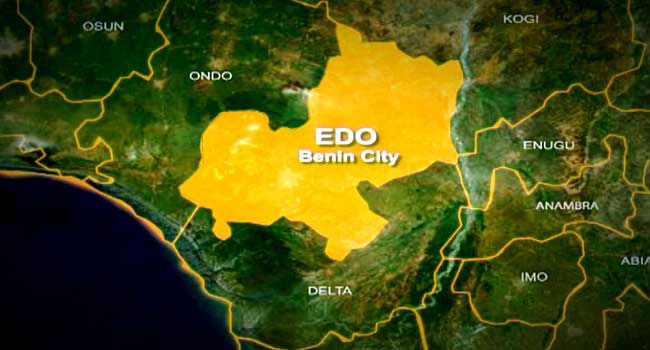
The recent political tensions between the Edo State Government and former aviation minister Osita Chidoka spotlight controversies surrounding the September 21 governorship election. Chidoka has alleged that the election was marred by significant rigging and manipulation, claims he made public during a recent program on Channels Television. These allegations have sparked a heated response from the current Edo State Governor, Monday Okpehbolo’s administration, particularly from Chief Press Secretary Fred Itua, who accused Chidoka and his Athena Centre of misrepresenting data and biases in their analysis. The current government asserts that the Athena Centre failed to cover crucial aspects of the election and thus lacks credibility in its allegations of electoral fraud.
In response to the allegations, Itua described Chidoka as a poor loser who was attempting to discredit the election results in favor of the Peoples’ Democratic Party (PDP). He accused Chidoka of conspiring with former Governor Godwin Obaseki to manipulate election figures from the government house, suggesting that the claims made are part of a wider strategy by the PDP to undermine the legitimacy of Okpehbolo’s victory. The Okpehbolo administration emphasized that the election was fairly conducted, with national observers noting the absence of violence or significant controversies. They believe that the judiciary should be allowed to adjudicate the matter without external pressures or media narratives accusing them of wrongdoing.
Chidoka, representing the PDP, defended his allegations by stating that the analysis presented by Athena Centre reveals systemic flaws and inconsistencies in the election process. He criticized the leadership of the All Progressives Congress (APC) for what he termed an “unprecedented transgression” and called out for a forensic examination of results to identify rigging. Chidoka’s viewpoint stresses the belief that the election outcomes were unduly influenced, undermining the democratic process and the will of the people of Edo State. According to Chidoka and his supporters, the ACT and its findings are crucial for addressing electoral malpractices and restoring integrity in the state’s electoral process.
Supporting the claims raised by Chidoka, aides from the Obaseki camp echo his sentiments, alleging that the Independent National Electoral Commission (INEC) was complicit in manipulating election results. They allege that the total accredited voters were inflated and that discrepancies existed between INEC’s certified results and the actual data obtained during the election. The Obaseki administration argues that, contrary to the claims made by the APC, there is ample evidence of electoral fraud that must be scrutinized in the interest of democracy and the electorate’s will. This conflict illustrates a broader narrative of contested governance amidst allegations of electoral malpractice.
The political landscape in Edo State remains charged as both sides prepare for ongoing judicial proceedings surrounding the election results. The PDP is hopeful that their claims, supported by the Athena Centre, will hold weight in court, while the APC remains confident in the legitimacy of their electoral victory. The struggle now hinges significantly on how the judiciary navigates these contested claims, maintaining its independence amidst growing political pressures. Observers are keenly watching how the courts will respond to the allegations posed by both parties and whether they will uphold the findings from both Chidoka’s Athena Centre and the APC’s rebuttals.
As tensions flare, the situation underscores not only the contentious nature of Edo State’s political dynamics but also the ongoing struggle within Nigeria over electoral integrity. This controversy reveals deep-seated divisions between political parties that are reflective of broader issues in Nigeria’s governance and electoral processes. The outcome of the intra-party squabbles and judicial determinations will likely have lasting consequences on the political atmosphere in Edo State, potentially affecting future elections and political alignments. With the stakes high, both the PDP and APC are intensely focused on establishing legitimacy and public trust in their claims, showcasing the critical role that transparent electoral processes play in democratic governance.








