Ghana is on the cusp of a pivotal general election, and the political atmosphere is charged with anticipation and apprehension. Oliver Barker-Vormawor, a prominent Ghanaian activist and leader of Democracy Hub, has launched a scathing attack on Vice President and NPP flagbearer, Dr. Mahamudu Bawumia, alleging that the ruling New Patriotic Party (NPP) has systematically undermined democratic principles and engaged in self-enrichment at the expense of the Ghanaian people. Barker-Vormawor contends that the NPP has no legitimate path to victory and that the upcoming election represents a critical juncture for the nation to hold the current administration accountable for its alleged transgressions. He passionately calls upon Ghanaians to reject the NPP and exercise their right to vote for change.
Barker-Vormawor’s accusations paint a stark picture of a government that has prioritized personal gain over the welfare of its citizens. He argues that the NPP’s actions have eroded democratic institutions and processes, creating an environment where free and fair elections are threatened. His pronouncements reflect a deep-seated distrust in the government’s intentions and a conviction that the NPP is clinging to power through illicit means. He emphasizes the urgency of the situation, portraying the election as a last stand against a regime that has allegedly betrayed the public trust. Barker-Vormawor’s pronouncements resonate with a segment of the Ghanaian population that feels marginalized and disillusioned by the current political landscape.
The activist’s call for justice reverberates through his social media posts. He insists that those in power who have allegedly engaged in corrupt practices and abused their authority must face the consequences of their actions. Barker-Vormawor envisions a post-election scenario where accountability is paramount, and those found culpable are held responsible through the legal system. His demand for justice reflects a broader desire for transparency and a rejection of impunity within the political sphere. It highlights the importance of upholding the rule of law and ensuring that those in positions of power are held to the same standards as ordinary citizens. This appeal for justice aligns with the aspirations of a populace yearning for a more equitable and accountable governance structure.
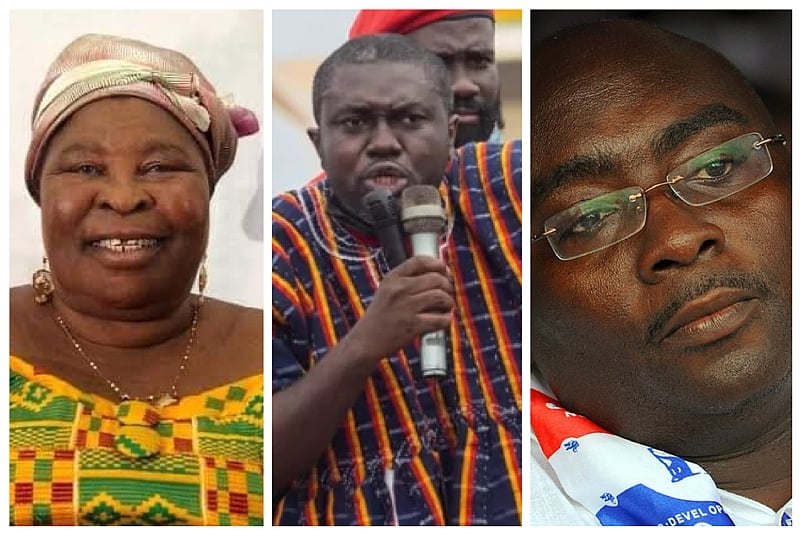
Barker-Vormawor’s rejection of Dr. Bawumia as a viable candidate is unequivocal. He urges voters to choose any other candidate, even the late Akua Donkor, whose name remains on the ballot despite her passing. While votes for Akua Donkor will be considered invalid, Barker-Vormawor uses her as a symbolic representation of any alternative to the current Vice President. This emphatic dismissal underscores the depth of his opposition to Dr. Bawumia and the NPP. It further reinforces his message that the current administration represents a threat to Ghana’s democratic future and must be replaced. This stance likely resonates with those who share his concerns about the NPP’s governance.
The upcoming election has become a battleground for competing visions of Ghana’s future. Barker-Vormawor’s fervent pronouncements embody the frustrations and hopes of a segment of the population eager for change. His accusations of corruption, democratic backsliding, and self-enrichment resonate with those who believe that the current government has failed to deliver on its promises. His unwavering call for justice and accountability reflects a yearning for a more transparent and equitable society. As the election draws near, the nation stands poised at a crossroads, with the outcome holding significant implications for the future of Ghanaian democracy and governance.
The political climate in Ghana is highly charged, with voices like Barker-Vormawor’s adding to the intensity of the pre-election discourse. His pronouncements, while controversial, reflect the deep-seated concerns and anxieties of a portion of the electorate. As Ghanaians head to the polls, they will weigh these concerns against the narratives presented by the various candidates and parties. The election results will ultimately determine the trajectory of the nation’s political landscape and the extent to which the demands for accountability and change are addressed. The outcome will undoubtedly shape the future of Ghana’s democracy and the direction it takes in the years to come.