









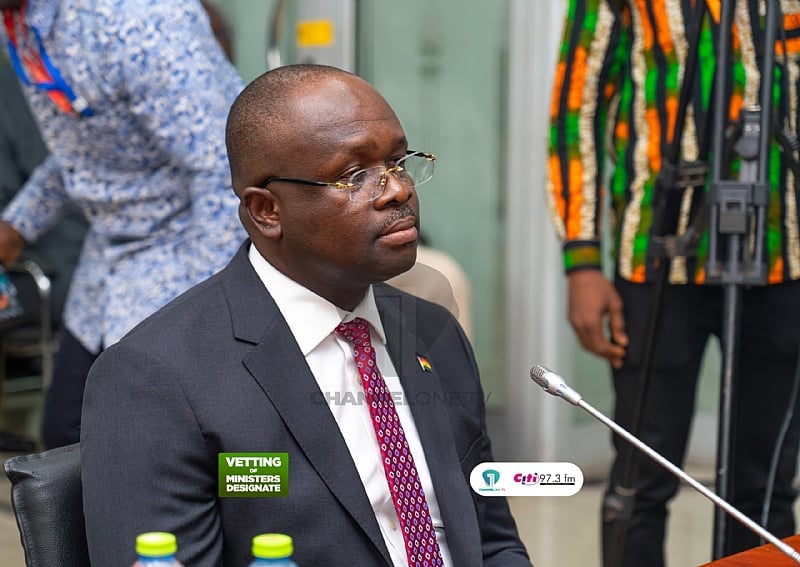
The pressing issue of inadequate housing within the Ghana Armed Forces (GAF) has garnered significant attention, with Defence Minister-designate Dr. Edward Kofi Omane Boamah pledging to prioritize addressing the accommodation challenges. Testifying before the Appointments Committee of Parliament, Dr. Boamah underscored the critical nature of this issue and the substantial infrastructure investment required to provide suitable housing for soldiers. He revealed a significant accommodation deficit estimated at approximately 17,000 units, a figure that underscores the magnitude of the challenge facing the GAF. This deficit, accumulated over time, significantly impacts the well-being and morale of soldiers and their families, hindering their ability to perform their duties effectively.
Dr. Boamah’s acknowledgment of the accommodation deficit reflects a growing awareness within the government and the military establishment of the urgent need to rectify this long-standing issue. The lack of adequate housing affects not only the soldiers’ quality of life but also their operational readiness and overall effectiveness. Providing decent living conditions is crucial for attracting and retaining qualified personnel within the GAF, ensuring their dedication and focus remain unwavering. The Minister-designate’s commitment to exploring various options signals a proactive approach towards finding sustainable solutions.
The exploration of Public-Private Partnerships (PPPs) as a potential avenue for addressing the housing deficit represents a pragmatic approach that leverages private sector expertise and resources. This model has been successfully employed in other sectors to bridge infrastructure gaps, offering a potentially viable solution for the GAF. PPPs provide an opportunity to inject much-needed capital into housing projects while sharing the financial burden and risk with private sector partners. This approach can accelerate the construction of housing units and contribute to a more rapid reduction of the deficit.
Furthermore, Dr. Boamah’s willingness to consider allocating funds from the government’s budget demonstrates a concrete commitment to resolving this issue. While PPPs can be instrumental, securing government funding underscores the importance of this issue to the nation’s security and the well-being of its armed forces. This dual approach, combining PPPs with government funding, can provide a comprehensive strategy for addressing the housing deficit effectively and efficiently.
The Minister-designate’s emphasis on providing “befitting accommodation” signals a commitment to not merely providing shelter but ensuring that the housing units are of a suitable standard and quality. This signifies a recognition of the dignity and respect deserved by the men and women serving in the GAF. Providing quality housing will not only improve their living conditions but also contribute positively to their morale and sense of pride in their service.
In conclusion, Dr. Omane Boamah’s commitment to tackling the GAF’s accommodation challenges through a multi-pronged approach, including PPPs and government funding, signifies a positive step towards resolving this critical issue. The scale of the housing deficit requires a comprehensive and sustained effort, and the Minister-designate’s statements indicate a determination to prioritize this need and explore all available options. Providing adequate and befitting accommodation for GAF personnel is not only a matter of welfare but also an investment in the nation’s security and the effectiveness of its armed forces. The Minister-designate’s assurances offer hope for a brighter future for GAF personnel and their families, enhancing their quality of life and enabling them to perform their duties with unwavering dedication and focus. The successful implementation of these proposed solutions will contribute significantly to the overall strength and readiness of the Ghana Armed Forces.









