





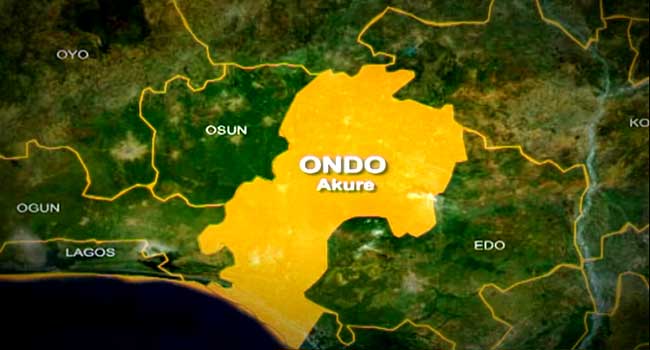
The traditional rulers of Ondo State’s riverine communities have voiced their deep dissatisfaction with the numerous abandoned projects initiated by the Niger Delta Development Commission (NDDC). These unfinished ventures, intended to uplift the region’s socio-economic landscape, have become a source of frustration and disillusionment among residents. The monarchs, recognizing their role in fostering development and accountability, have pledged to actively collaborate with government agencies, including the NDDC, to ensure thorough project oversight from inception to completion. This commitment aims to restore community trust and ensure tangible benefits accrue from development initiatives.
The traditional leaders’ concerns were brought to light during a capacity-building workshop organized by the NDDC in Akure, the state capital. Themed “Capacity Building on Emerging Trends in Rural Governance,” the workshop provided a platform for open dialogue and strategizing on enhancing rural development. Oba Bamidele Dabo, the monarch of Igbekebo Kingdom, speaking on behalf of the Oil Mineral Producing Communities of Niger Delta, emphasized the urgency of addressing the issue of abandoned projects. He stressed the importance of community heads playing a more active role in project monitoring to prevent contractors from neglecting their responsibilities and leaving projects incomplete.
The pervasive abandonment of NDDC projects has eroded public trust in government agencies, according to Oba Dabo. He articulated the need for the NDDC to recognize and actively involve traditional rulers in the project development process. The monarchs, as custodians of their communities’ well-being, possess invaluable local knowledge and can effectively act as intermediaries between the NDDC and the people. This collaborative approach would enhance transparency, accountability, and project sustainability. He specifically highlighted the protracted delay in completing the Sabomi-Igbotu road and other critical infrastructure projects, urging the NDDC to expedite their completion.
Oba Dabo’s appeal extended beyond mere project completion to encompass capacity building and broader infrastructural development. He emphasized the importance of empowering local communities with the skills and resources necessary to participate meaningfully in development initiatives and manage completed projects sustainably. This, he argued, would foster ownership, ensure long-term project viability, and contribute to the overall socio-economic progress of the region.
Mr. Eni Akinsola, an NDDC representative at the workshop, acknowledged the concerns raised by the traditional rulers and affirmed the commission’s commitment to fostering closer collaboration with stakeholders in the oil-rich region. He emphasized the NDDC’s dedication to creating an enabling environment for residents of affected communities through empowerment programs and infrastructural projects. This assurance underscores the NDDC’s recognition of the importance of community participation in driving sustainable development and building trust.
The workshop serves as a critical step towards addressing the long-standing issue of abandoned projects in the Niger Delta region. The commitment expressed by both the traditional rulers and the NDDC to collaborate more closely on project oversight offers a glimmer of hope for the realization of much-needed development in these communities. The emphasis on capacity building and community empowerment further strengthens the prospect of sustainable development that truly benefits the people of the Niger Delta. The challenge now lies in translating these commitments into concrete action and ensuring that projects are not only completed but also contribute meaningfully to the long-term prosperity of the region.








