





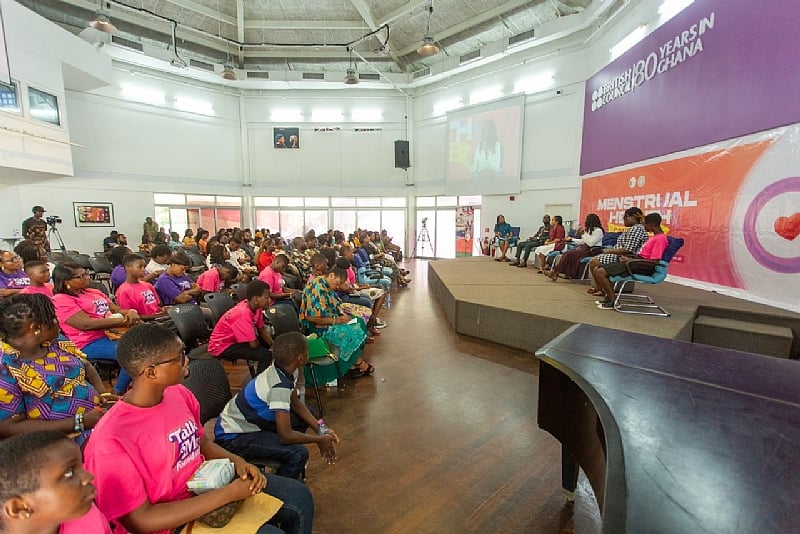
The Orange Girl Foundation, in partnership with the William Wilson Turner Foundation, hosted its first Menstrual Health Conference in Accra, Ghana, aimed at fostering dialogue surrounding menstrual health, particularly for physically challenged girls. This event gathered a diverse group of advocates, organizations, educators, and students focused on addressing menstrual health challenges and promoting awareness. Founder Ethel Nanayaa Amoako Baffoe emphasized the need for collaboration, stating that while many have been contributing individually, it was crucial to unite voices to tackle menstrual health issues effectively. This collective effort is designed to identify gaps in current practices and develop actionable solutions that can enhance menstrual health management for all women and girls in Ghana.
A significant theme of the conference was the urgent need for policy changes at the governmental level, particularly the removal of taxes on sanitary products. Baffoe pointed out that lowering the financial burden associated with menstrual hygiene products is essential in combating period poverty, which can deter girls from continuing their education. The conference also highlighted the importance of supportive workplace policies aimed at women experiencing severe menstrual pain, such as those suffering from conditions like endometriosis and dysmenorrhea. By advocating for these policy changes, the conference sought to create a more inclusive and supportive environment for women dealing with menstrual health challenges both in school and in the workplace.
Paul Asante, an advocate for the Sustainable Development Goals (SDGs), echoed concerns regarding the inclusion of physically challenged girls in menstrual health dialogues. He emphasized that these individuals often find themselves marginalized in discussions about menstruation due to a lack of specialized resources and awareness. Asante called for comprehensive educational campaigns that would be tailored for those with disabilities, urging the Ghana Education Service to incorporate accessible learning materials into the school system. His appeal centers around ensuring that all students, regardless of their physical challenges, receive adequate information and resources to manage their menstrual health effectively.
Furthermore, attendees discussed the importance of legislative measures to encourage the design of menstrual products that cater to individuals with various physical and cognitive abilities. Asante advocated for the introduction of a bill in Parliament dedicated to developing such inclusive products, ensuring that menstruation is managed comfortably and effectively by all women and girls, including those with disabilities. The call for legislative action reflects a broader desire for societal change, promoting participation and inclusivity in menstrual health management across all demographics.
The issue of school attendance during menstruation was also a critical point of discussion, revealing the significant impact of menstrual health on education for girls in Sub-Saharan Africa. Statistics show that one in ten girls may miss school during their menstrual period, which accumulates to as much as twenty percent of a school year. This substantial absenteeism correlates with a lack of access to affordable menstrual hygiene products, particularly in underserved communities in Ghana, further exacerbating educational disparities. The attendees of the conference recognized that addressing menstrual health is not just a health issue, but a crucial part of ensuring girls have equal opportunities for education.
In conclusion, the Orange Girl Foundation’s Menstrual Health Conference marks a pivotal step in addressing the multifaceted challenges surrounding menstrual health in Ghana. By bringing together a variety of stakeholders, the conference aimed to foster collaboration and generate innovative solutions for improving menstrual health management, particularly for physically challenged girls. The commitment to making this conference an annual event underscores the foundation’s dedication to ongoing dialogue and advocacy in the field of menstrual health. It is through these collective efforts that the hope for a more equitable and accessible approach to menstrual health can be realized, ultimately empowering girls and women to pursue their education and achieve their potential without the hindrance of period poverty.








