









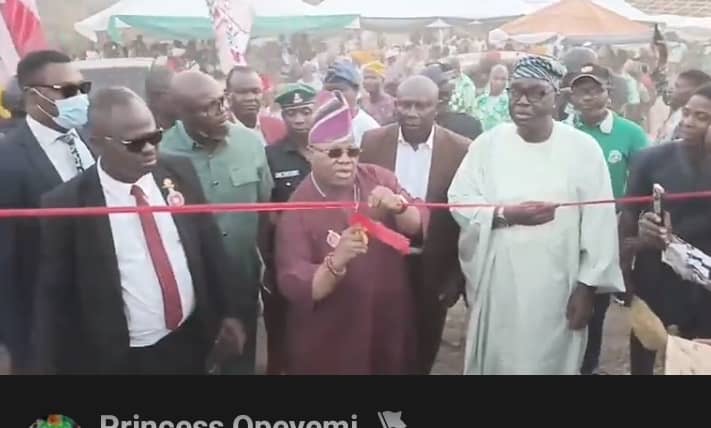
Governor Ademola Adeleke of Osun State launched the Imole Agropreneur Model Project, a statewide initiative aimed at empowering youths and women through agriculture. The project, flagged off in Imesi Ile, involves allocating farmlands to selected beneficiaries and providing them with the necessary support to cultivate and market their produce. This initiative marks a significant step towards revitalizing the agricultural sector in Osun State, boosting youth employment, and improving the overall economic well-being of the state. Governor Adeleke’s vision for the program extends beyond mere land allocation, encompassing a comprehensive approach to agricultural development that incorporates private sector partnerships and targets both local and international markets.
The Imole Agropreneur Model Project is designed to create a new generation of modern farmers equipped with the skills and resources to thrive in the agricultural sector. The project provides a robust framework that includes an off-taking program, ensuring that farmers have a guaranteed market for their produce. This linkage between agropreneurs and off-takers is crucial for financial stability and the long-term sustainability of the model. By ensuring a steady demand for agricultural products, the program encourages consistent production and fosters a stable income stream for participating farmers. This ultimately contributes to the economic growth of the state and reduces reliance on external food sources.
The collaborative nature of the project is further emphasized by its strong public-private partnership component. Each local community partners with the government in the initiative’s operation, fostering communal ownership and ensuring the project’s sustainability. This participatory approach ensures that the program is tailored to the specific needs and resources of each community, maximizing its impact and fostering local buy-in. The involvement of local communities also reinforces the sense of ownership and responsibility among residents, creating a more sustainable and impactful program.
Furthermore, the Imole Agropreneur Model Project aims to establish micro agro-processing platforms to add value to agricultural produce and expand market access, particularly for export markets. This focus on value addition and export orientation distinguishes the initiative from traditional farming programs, positioning it as a driver of economic diversification and global competitiveness. By emphasizing value addition and export potential, the project equips farmers with the skills and resources to access broader markets, enhancing their earning potential and contributing to the state’s economic growth.
The official launch of the statewide project in Imesi Ile was met with enthusiastic support from the local community. The Owa Ooye of Imesi-Ile, Oba Enoch Akinyemi, expressed his commendation for Governor Adeleke’s initiative and pledged the community’s continued support. The Oba emphasized the project’s potential to create jobs and improve the standard of living in the area, highlighting the alignment of the initiative with the community’s development aspirations. This local endorsement underscores the project’s perceived value and strengthens the partnership between the government and the community in achieving shared developmental goals.
Governor Adeleke’s commitment to replicating the Imole Agropreneur Model Project across all 30 local government areas in Osun State signifies a comprehensive and ambitious approach to agricultural development. This statewide expansion demonstrates the government’s dedication to empowering youths and women across the state through agriculture, creating a more inclusive and prosperous future for all residents. By scaling up the project, the government aims to create a widespread impact on the agricultural sector, generating employment opportunities, improving food security, and stimulating economic growth across Osun State. The project’s success in Imesi Ile serves as a promising model for its implementation in other local government areas, setting the stage for a transformative impact on the state’s agricultural landscape.









