









The Dire Need for Educational Reform in Nigeria: A Call for Inclusive and Accessible Quality Education
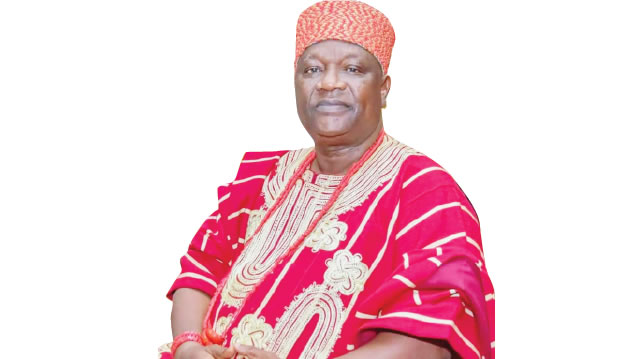
Nigeria, a nation grappling with pervasive poverty, faces a critical challenge in ensuring access to quality education for all its citizens. Oba Adedokun Abolarin, the monarch of Oke Ila and a fervent advocate for educational reform, has underscored the vital role of education in breaking the cycle of poverty. He emphasizes that education is not merely about attending school but about fostering an environment that empowers individuals to flourish and contribute meaningfully to society. His call to action focuses on the urgent need for increased investment in education at all levels of government, ensuring that quality education reaches even the most vulnerable segments of the population.
Oba Abolarin’s vision for educational transformation transcends the conventional notion of simply providing access to schooling. He advocates for a more holistic approach that encompasses flexibility, affordability, accessibility, and inclusivity. This multifaceted approach recognizes that true quality education must cater to the diverse needs of learners, including those from marginalized communities. He highlights the importance of addressing the specific challenges faced by children from low-income families, migrants, indigenous communities, and individuals with disabilities. By acknowledging and accommodating these diverse needs, the education system can truly become a catalyst for social and economic progress.
The monarch’s emphasis on quality education as a poverty eradication tool stems from the understanding that education empowers individuals to lead productive lives, enabling them to break free from the shackles of poverty and contribute to sustainable national development. He argues that education is a transformative force that equips individuals with the skills and knowledge necessary to thrive in a rapidly changing world. This transformative power of education lies in its ability to not only impart knowledge but also to cultivate critical thinking, problem-solving skills, and a sense of agency, enabling individuals to become active participants in shaping their own destinies and contributing to the betterment of their communities.
To achieve this vision of inclusive and transformative education, Oba Abolarin proposes a multi-pronged approach that involves increased government investment, community engagement, and leveraging technology. He calls upon governments at all levels to prioritize education by allocating more resources to underserved regions, focusing on the specific needs of vulnerable populations, and improving both infrastructure and teacher quality. This investment is not merely a financial commitment but a strategic investment in the future of the nation, recognizing that a well-educated populace is essential for economic growth, social progress, and national stability.
Furthermore, the monarch stresses the vital role of community engagement in overcoming cultural barriers that hinder access to education, particularly in certain regions. Engaging local leaders and communities is crucial for addressing issues such as child marriage and other practices that impede educational attainment. By fostering dialogue and collaboration between schools and communities, it is possible to create a supportive environment that values education and encourages all children, regardless of their background, to pursue their educational aspirations.
Finally, Oba Abolarin advocates for the extensive use of technology to bridge the educational gap in areas with limited access to traditional schooling. Leveraging technology opens up new avenues for remote learning, providing educational opportunities to children in remote or underserved areas. By embracing technology, the education system can extend its reach far beyond the confines of the traditional classroom, ensuring that no child is left behind due to geographical limitations or lack of access to physical schools.
In essence, Oba Abolarin’s vision for educational reform in Nigeria is a call for a paradigm shift, moving away from a narrow focus on access to schooling towards a more holistic approach that prioritizes quality, inclusivity, and relevance. His recommendations offer a roadmap for creating an education system that not only empowers individuals to escape the clutches of poverty but also equips them with the skills and knowledge to become active and contributing members of society. This vision, if realized, holds the potential to transform Nigeria into a nation where every child, regardless of their background or circumstances, has the opportunity to reach their full potential and contribute to the nation’s progress.









