





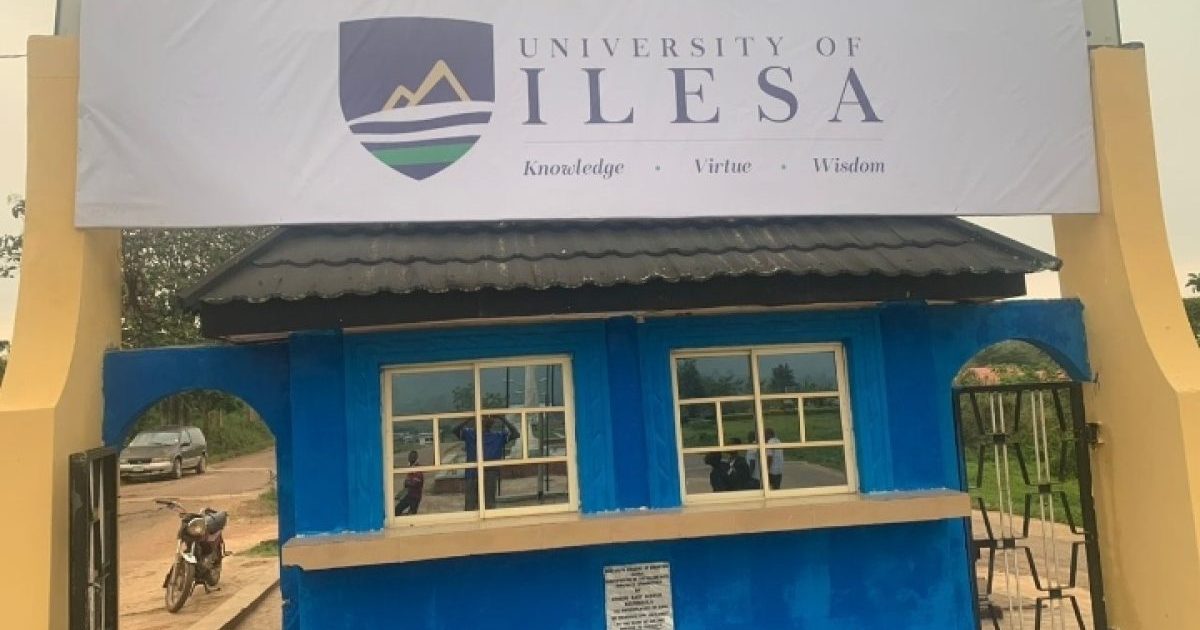
The University of Ilesa, located in Osun State, recently announced significant developments regarding the employment status of about 230 temporary staff members from the erstwhile College of Education. On Monday, the management revealed that these temporary staff, many of whom had dedicated over 20 years of service under contract arrangements, have now been granted full-time appointments following the institution’s upgrade to a university. This decision underscores the university administration’s commitment to enhancing job security for its staff and improving overall conditions as the institution transitions into higher education.
Vice-Chancellor Professor Taiwo Asaolu, who was appointed in April 2023, provided updates on the university’s progress over the past 18 months. He emphasized that these newly appointed staff members had been in a precarious position, receiving inconsistent and insufficient pay while serving in their roles. Their permanent appointment has been made possible due to meeting necessary employment conditions and reflects the administration’s commitment to promoting staff welfare. Asaolu recognized the crucial support from the state government, led by Governor Ademola Adeleke, in facilitating this transition and aligning it with the broader goals of the university.
The Vice-Chancellor also highlighted the university’s achievements, having gained full accreditation for 67 courses, including key programs such as nursing and law. This accreditation is a significant milestone that assures the quality and recognition of the degrees offered by the university. Asaolu noted that these improvements coincide with ongoing infrastructure development funded by Governor Adeleke, indicating a robust strategy for enhancing educational facilities. Such advancements not only elevate the university’s status but also contribute to the greater academic environment in the region.
Alongside staff appointments and accreditation, Asaolu reported on the universities’ efforts to enhance staff welfare further. The administration successfully advocated for the release of funds from the state government to settle long-overdue allowances for 13 senior staff members. Asaolu stated that this act, alongside the promotion of numerous academic and non-teaching staff, helped maintain industrial peace within the institution, demonstrating a continued focus on fostering a supportive workplace culture. The engagement of the state government in addressing these issues paints a picture of collaborative governance aimed at uplifting educational standards.
On a broader community engagement level, the establishment of the Model Integrated Teaching and Research Farm marks a significant development rooted in the university’s mission to positively impact Ilesa and its surroundings. This initiative encompasses various agricultural undertakings designed to provide practical learning experiences for students while promoting sustainable agricultural practices. Asaolu’s highlights on this venture reflect a commitment to bridging the gap between academic theory and hands-on practice, further enriching the educational experience at the university.
Despite these advances, Asaolu acknowledged that challenges remain, particularly concerning funding, which he identified as a primary obstacle to achieving the university’s developmental ambitions. He called for continued support from the government and philanthropic entities to sustain the momentum of progress made. The Vice-Chancellor’s vision for the future is one that necessitates collaboration and resource allocation to ensure that the University of Ilesa can thrive and effectively serve its community, all while fostering an environment conducive to academic excellence and holistic development.








