









The Tragedy in Tammun: An Escalation of Violence in the Occupied West Bank
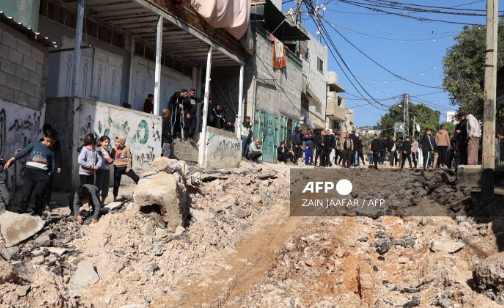
The quiet village of Tammun, nestled in the northern West Bank, became the scene of a devastating air strike on Wednesday, claiming the lives of three Palestinians, two of whom were children. According to Ahmad Assad, the governor of the nearby city of Tubas, the Israeli air strike targeted a location near a family home, resulting in the deaths of 23-year-old Adam Bsharat and two children, Hamza Bsharat, 10, and Reda Bsharat, who was either eight or nine years old according to conflicting reports. The Palestinian foreign ministry vehemently condemned the strike, accusing Israel of using the pretext of targeting militants to justify harming innocent civilians. The Israeli military, in contrast, confirmed carrying out an air strike in the Tammun area targeting a "terrorist cell" but made no mention of any casualties.
The incident adds another layer of tragedy to the escalating violence in the occupied West Bank. It follows a similar air strike in Tammun just the day before, on Tuesday, where the Israeli military targeted another alleged "armed terrorist cell" that had reportedly fired upon Israeli forces during a raid, resulting in two fatalities. Residents reported that Israeli forces retrieved one of the bodies following the Tuesday strike, a practice that appears to have been repeated on Wednesday. Governor Assad confirmed that Israeli forces, who had been operating in Tammun in the days leading up to the air strikes, retrieved the bodies of the three victims on Wednesday and officially informed Palestinian authorities of their possession.
The recurring air strikes in Tammun and the retrieval of bodies by Israeli forces underscore the complex and often violent dynamics of the Israeli-Palestinian conflict in the occupied West Bank. The differing narratives from the Israeli and Palestinian sides highlight the starkly contrasting perspectives on the events. While Israel frames its actions as targeting militants and responding to threats, the Palestinian side views these actions as indiscriminate attacks on civilians and a continuation of the occupation. The incident also raises questions about the use of air strikes in densely populated civilian areas and the potential for collateral damage.
The deaths of the three Palestinians, especially the two young children, have further fueled anger and resentment among Palestinians. The Palestinian foreign ministry’s condemnation and accusation of Israel using a pretext to harm civilians reflect the widespread sentiment of injustice and outrage. The incident occurs against a backdrop of escalating violence in the West Bank, which has seen a significant increase in both Israeli military operations and Palestinian attacks since the start of the Gaza war in October 2023. The continued Israeli occupation, the frequent military raids, and the recent surge in violence contribute to a cycle of hostility and distrust, making any prospect of peace seem increasingly distant.
The recent surge in violence in the West Bank is deeply concerning. Since the Gaza war began on October 7, 2023, at least 825 Palestinians have been killed by Israeli troops or settlers in the West Bank, according to the Palestinian health ministry. Concurrently, Palestinian attacks have claimed the lives of at least 28 Israelis during the same period, based on official Israeli figures. These statistics paint a grim picture of the escalating conflict and the devastating human cost on both sides. The increasing frequency of Israeli military raids into Palestinian towns and villages, purportedly targeting militants, raises concerns about the proportionality and justification of these operations. The significant number of Palestinian casualties, including non-combatants, suggests a need for greater scrutiny of these operations and their impact on civilians.
The targeting of Tammun twice in two days with air strikes, a relatively uncommon tactic in the West Bank, further underscores the escalation of violence. The village, like many others in the northern West Bank, has become increasingly volatile, with Israel claiming a heightened focus on militants planning attacks in the region. The recent attack on Monday, where three Israelis were killed by gunmen in the northern West Bank, illustrates the precarious security situation and the potential for further escalation. The cycle of violence, where attacks by one side lead to retaliatory actions by the other, underscores the urgent need for de-escalation and a renewed focus on finding a path towards a peaceful resolution. The tragic events in Tammun serve as a stark reminder of the human cost of this ongoing conflict and the urgent need for a different approach.









