Paragraph 1: Summoning of the Electoral Commission Chairperson
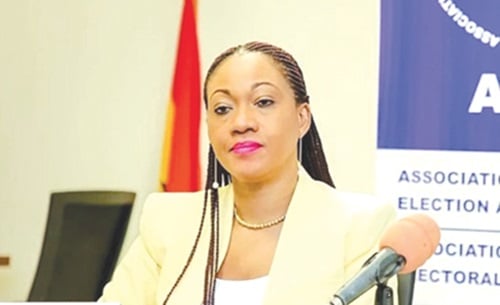
The Ghanaian Parliament, specifically its Committee of the Whole, is set to host Jean Adukwei Mensa, the Chairperson of the Electoral Commission (EC), on Thursday, June 19th. This meeting is in response to a request by Rockson-Nelson Dafeamekpor, the Member of Parliament for South Dayi, who seeks clarification on several crucial electoral matters. Dafeamekpor’s primary concern revolves around potential contracts awarded by the EC for the printing and supply of ballot papers in anticipation of the 2024 elections. The MP’s inquiry aims to ascertain whether such contracts have been awarded and, if so, under what terms and conditions. This scrutiny is crucial for maintaining transparency and accountability in the electoral process, ensuring public trust and confidence in the integrity of future elections.
Paragraph 2: Unresolved Ablekuma North Parliamentary Results
Beyond the ballot paper contract issue, Dafeamekpor is also pressing the EC to explain the protracted delay in declaring the parliamentary results for the Ablekuma North constituency. The absence of a declared winner for this constituency raises concerns about the efficiency and effectiveness of the EC’s processes. A timely declaration of results is fundamental to a functioning democracy, ensuring representation and allowing the duly elected representative to fulfill their responsibilities to their constituents. Dafeamekpor’s inquiry seeks to understand the reasons behind this delay and to prompt the EC to expedite the declaration process, bringing closure to the electoral process in Ablekuma North.
Paragraph 3: Scrutiny of Mining Agreements
In addition to electoral matters, Parliament is also turning its attention to the mining sector. Majority Leader Mahama Ayariga has announced that Emmanuel Armah-Kofi Buah, the Minister for Lands and Natural Resources, will present all mining agreements to Parliament for thorough scrutiny. This move follows concerns raised by Minority Chief Whip Frank Annoh-Dompreh regarding the legality of operations by certain mining companies, particularly those allegedly operating without parliamentary approval. This scrutiny highlights the importance of ensuring that mining activities in Ghana are conducted within the bounds of the law and that agreements are in the best interests of the Ghanaian people.
Paragraph 4: Concerns over Illegal Mining Operations
Annoh-Dompreh’s concerns specifically referenced the Gold Fields Damang Mines lease, alleging that operations are being conducted without the necessary parliamentary approval. He characterized this practice as unconstitutional and detrimental to the interests of Ghana. The alleged lack of parliamentary oversight raises concerns about potential revenue losses, environmental damage, and the erosion of the rule of law. Parliament’s examination of mining agreements aims to address these concerns and ensure compliance with legal and regulatory frameworks governing the mining sector.
Paragraph 5: Broader Parliamentary Agenda
Beyond the specific issues relating to the Electoral Commission and mining agreements, the Parliament has a busy schedule ahead, with briefings scheduled from several other ministers. These briefings will cover a wide range of critical issues facing the nation. The Minister for Energy is expected to address matters related to energy supply and distribution, while the Minister for Foreign Affairs will brief Parliament on foreign policy developments and diplomatic engagements. The Minister for Environment will provide updates on environmental challenges, including recent flooding events, and potential solutions. Finally, the Minister for Trade will discuss trade policies, international agreements, and their impact on the Ghanaian economy.
Paragraph 6: Promoting Transparency and Accountability
The parliamentary summons of the EC Chairperson, the scrutiny of mining agreements, and the scheduled briefings from various ministers demonstrate Parliament’s commitment to transparency and accountability within the government. These actions reflect the legislative body’s crucial role in overseeing government activities, ensuring compliance with laws and regulations, and safeguarding the interests of the Ghanaian people. By demanding answers and scrutinizing agreements, Parliament plays a vital role in shaping public policy and holding government officials responsible for their actions. This active engagement reinforces democratic principles and contributes to a more transparent and accountable governance framework for the benefit of all citizens.