









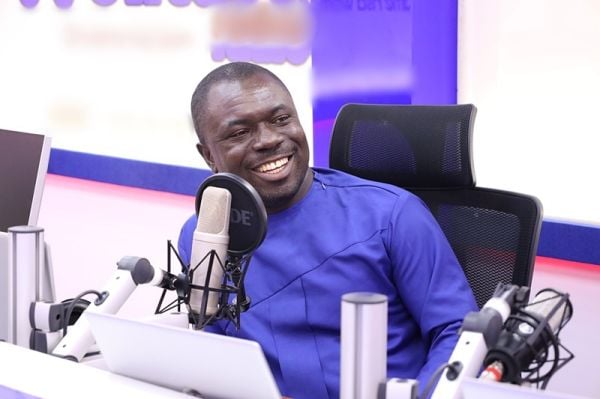
Senior Researcher Professor Smart Sarpong has expressed strong reservations regarding the intentions of several Members of Parliament (MPs) who plan to run as independent candidates after losing their party primaries. Notable among these MPs are Cynthia Morrison from the New Patriotic Party (NPP) representing Agona West, Kwadwo Asante from Suhum, Andrew Asiamah Amoako from Fomena, and Peter Kwakye-Ackah from the National Democratic Congress (NDC), who recently had their positions declared vacant due to their actions. This situation stems from a constitutional provision under Article 97, which mandates that MPs who lose their party affiliation must relinquish their seats. However, the Supreme Court has intervened, overturning the Speaker’s declaration after a legal challenge from the NPP Majority Caucus, thereby injecting further complexity into the political landscape.
In a recent appearance on the popular morning show Kokrokoo, aired on Peace FM, Prof. Sarpong advised these MPs to reconsider their decision to run independently, advocating for loyalty to their respective political parties. He highlighted the potential ramifications of their choices on party unity and electoral outcomes, particularly as the country approaches a significant election period. This sentiment reflects broader concerns about the state of party politics in Ghana, where internal divisions can profoundly affect electoral strategies and voter perceptions. By labeling the situation as a “comedy,” Sarpong insinuated that the current political maneuvers of these MPs are not only disconcerting but also counterproductive to the principles of democracy and representation.
Professor Sarpong’s criticism of the MPs was particularly pointed, illustrating his frustration with what he perceives as disloyalty to party ideals. His remarks underscore the importance of cohesive party action, especially during elections where party alignment can be crucial in securing votes. He argues that the timeframe preceding elections is critical, and behaviors that could be perceived as divisive or opportunistic might alienate both party faithful and the electorate at large. This approach suggests a desire for a more unified front within the political sphere, which could enhance the effectiveness of campaigning efforts and voter engagement.
Additionally, the dynamics of the recent Supreme Court ruling play a significant role in understanding the current political climate. The decision to overturn the Speaker’s declaration reflects ongoing tensions within the parliamentary system, revealing underlying conflicts among the party constituents. The legal proceedings represent not only a battle for individual seats but also illustrate larger struggles for power and influence within the NPP and between the NPP and NDC. These tensions expose the fragility of political alliances and could lead to shifts in voter loyalty as individuals reassess their support based on party actions and responses to internal dissent.
Prof. Sarpong’s comments also resonate with the idea of stability in governance. The forthcoming elections pose challenges and opportunities for Ghanian democracy, and unforced errors stemming from party divisions may hinder the electoral process. He stressed that this period demands seriousness and a commitment to collective objectives over individual ambitions. This call for accountability within party ranks aligns with broader democratic principles that hinge on a stable political environment for effective governance and societal progress. The urgency of maintaining party integrity is critical for candidates looking not just to secure their own political futures but also to uphold the values of their institutions.
In conclusion, Professor Smart Sarpong’s reflections serve as an important reminder of the responsibilities that elected officials hold to their parties and constituents alike. As the political landscape in Ghana evolves, the choices made by these MPs could have far-reaching impacts not only on their careers but also on the broader political environment. With impending elections, the need for unity and discipline within political parties becomes more vital, urging leaders to prioritize collective goals over personal ambitions. Ultimately, the decisions made during this pivotal moment will shape the future of Ghanaian politics, underscoring the critical importance of loyalty and coherent representation in a democratic society.









