The parliamentary election in the Okaikwei Central constituency of Ghana has sparked controversy, with the incumbent Member of Parliament (MP), Patrick Yaw Boamah of the New Patriotic Party (NPP), contesting the declared victory of his opponent, Abdulai Abu Baba Abubakar Sadiq of the National Democratic Congress (NDC). The Electoral Commission (EC) announced Sadiq as the winner on December 9th, 2024, two days after the general elections, following a tense and protracted collation process. Sadiq secured a narrow victory, garnering 15,383 votes against Boamah’s 14,949, a difference of only 434 votes. This tight margin, coupled with alleged irregularities during the collation process, has fueled Boamah’s decision to challenge the results in court. Boamah’s contention stems from what he perceives as anomalies and unresolved issues surrounding the results from certain polling stations.
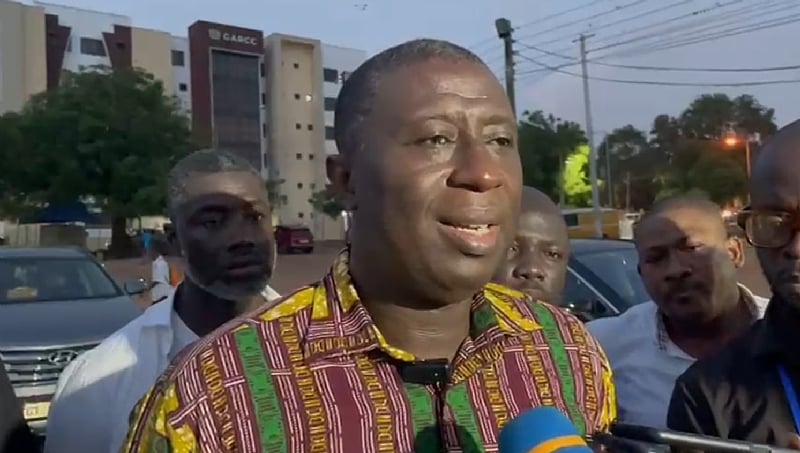
Boamah, addressing the media following the EC’s declaration, expressed his strong disagreement with the outcome and his firm resolve to pursue legal recourse. He believes that the declared results do not accurately reflect the will of the people of Okaikwei Central and maintains that he emerged victorious in the election. While stopping short of providing specific details about the alleged irregularities, Boamah expressed confidence in the judiciary to impartially review the evidence and deliver a just verdict. He emphasized his commitment to following due process and respecting the rule of law in pursuing his case. His legal team is currently preparing the necessary documentation to file a petition with the High Court once the official gazette of election results is published and the deadline for filing such petitions is established.
The Okaikwei Central constituency election was a closely watched race in the 2024 general elections, marked by high tensions and partisan fervor. The constituency has traditionally been a fiercely contested battleground between the NPP and NDC, further intensifying the scrutiny on the election process. The delay in declaring the results, attributed to discrepancies and disputes over the collation of votes from various polling stations as documented on the pink sheets (official result declaration forms), only added to the already charged atmosphere. Allegations of irregularities and challenges to the authenticity of some of the pink sheets emerged during the collation process, further delaying the final declaration and contributing to the current impasse.
Boamah’s decision to challenge the results underscores the importance of transparency and accountability in electoral processes. The close margin of victory amplifies the significance of every vote and highlights the need for a thorough and impartial review of any alleged irregularities. By pursuing legal redress, Boamah aims to ensure that the electoral process is upheld and that the true will of the Okaikwei Central constituents is accurately reflected. This legal challenge also serves as a test of Ghana’s electoral system and its capacity to address disputes and maintain public confidence in the integrity of elections.
The legal proceedings are expected to delve into the specifics of the alleged anomalies and scrutinize the evidence presented by both parties. The court’s decision will ultimately determine the legitimate representative of the Okaikwei Central constituency in Parliament and could have implications for the overall political landscape of Ghana. The case will likely involve examining the disputed pink sheets, reviewing witness testimonies, and assessing the validity of the collation process. The outcome will not only impact the political future of Boamah and Sadiq but also serve as a precedent for future election disputes.
The post-election developments in Okaikwei Central highlight the importance of strengthening electoral processes and ensuring that they are robust enough to withstand challenges and maintain public trust. The case underscores the need for continuous improvement in electoral procedures, including voter registration, vote counting, and result collation, to minimize the potential for disputes and enhance the credibility of elections. Ultimately, the resolution of this electoral dispute will be a testament to Ghana’s commitment to democratic principles and the rule of law. The judiciary’s role in adjudicating this matter will be crucial in upholding the integrity of the electoral process and ensuring public confidence in the outcome.