





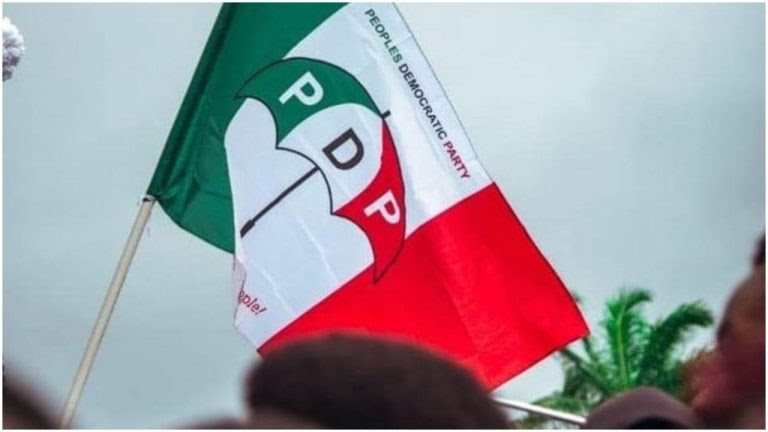
The Peoples Democratic Party (PDP) finds itself embroiled in a deepening internal crisis, with power struggles and factionalism threatening to further destabilize the party. At the heart of the conflict lies the acting National Chairman, Umar Damagum, whose leadership has been met with growing opposition. Allegations have surfaced suggesting that Damagum’s loyalists are actively working to suppress dissent within the party, even targeting members of the Board of Trustees (BoT) who have been critical of his leadership. This maneuvering has exacerbated existing tensions and raised concerns about the future direction of the PDP.
The power struggle within the PDP appears to be largely centered around the timing and agenda of the National Executive Committee (NEC) meeting. The NEC, a key decision-making body within the party, has seen its meetings repeatedly postponed, fueling suspicion and frustration among party members. The delay in convening the NEC has become a focal point of contention, with various factions vying to control the narrative and influence the outcome of the meeting. While the Damagum-led National Working Committee (NWC) has indicated a willingness to convene the NEC in February, the ongoing internal conflicts suggest that achieving consensus on a date and agenda will be a significant challenge.
The calls for Damagum’s resignation have grown louder, particularly from within the BoT, which has traditionally played a crucial role in mediating internal disputes. The BoT Chairman, former Senate President Adulphus Wabara, has publicly rebuked the NWC and urged the North Central caucus to nominate a replacement for Damagum. This public display of dissent highlights the depth of the division within the party and underscores the urgency of finding a resolution. The BoT’s critical stance towards Damagum’s leadership has further complicated the power dynamics within the PDP. Allegations that Damagum’s supporters are plotting to replace dissenting BoT members add another layer of complexity to the situation, raising concerns about the potential erosion of checks and balances within the party structure.
Adding to the internal turmoil within the PDP are reports that the Damagum faction, allegedly backed by prominent figures including former Rivers State Governor Nyesom Wike and several other governors, has been steadily consolidating its influence within the party’s various organs. This alleged infiltration has raised concerns about the fairness and transparency of internal processes, with some members fearing that key decisions are being made to serve factional interests rather than the overall good of the party. This power consolidation by the Damagum-Wike alliance appears to be a strategic move to control the direction of the party and potentially influence the selection of its next presidential candidate.
The internal strife within the PDP has created a complex and volatile political landscape, with various factions jostling for power and influence. The ongoing power struggle has the potential to significantly weaken the party’s ability to effectively challenge the ruling party in future elections. The repeated postponement of the NEC meeting has not only fueled speculation about internal divisions but has also hindered the party’s ability to address pressing issues and formulate a coherent political strategy. This paralysis at the top could further alienate party members and erode public confidence in the PDP’s ability to provide a viable alternative to the current administration.
Resolving the crisis within the PDP will require a concerted effort from all stakeholders to prioritize the party’s long-term interests over individual ambitions. A key step towards reconciliation will be ensuring a transparent and inclusive process for selecting the next party chairman and setting a clear agenda for the NEC meeting. Moreover, addressing the underlying issues that have fueled the current conflict, such as power imbalances and lack of internal democracy, will be crucial for the PDP’s long-term stability and success. If the party fails to address these internal divisions, it risks further fragmentation and marginalization in the political landscape. The ability of the PDP to overcome its internal challenges and present a united front will be critical for its future prospects.








