









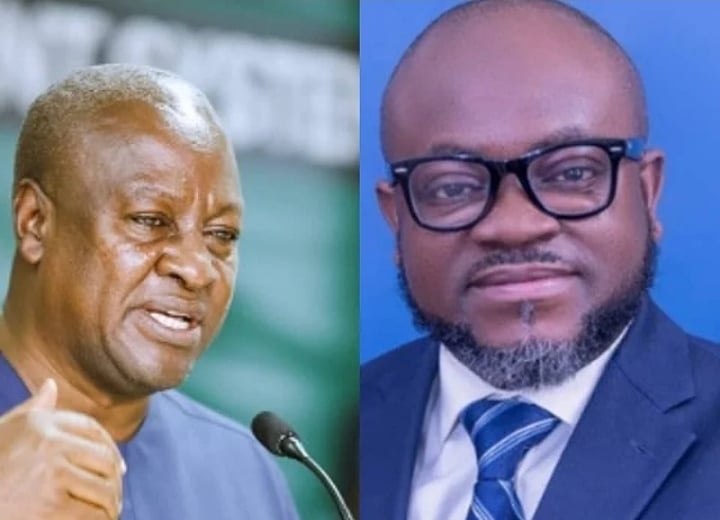
As Ghana approaches its 2024 elections, a significant peace pact has been established between various political parties, including the National Democratic Congress (NDC), led by former President John Dramani Mahama. The National Peace Council facilitated this agreement, underscoring the critical need to uphold peace and stability in the electoral process. The pact serves as a commitment by the signatories to foster an environment that supports fair and peaceful elections, highlighting the significance of political integrity in this democratic exercise. As Ghana has faced turbulent electoral seasons in the past, ensuring a peaceful approach to the upcoming elections is paramount for the country’s continued stability and democracy.
In the wake of this peace pact, Samuel O. Sarkodee, a former Chairman of the New Patriotic Party (NPP) chapter in Columbus, Ohio, has taken the opportunity to urge the NDC leadership to reflect on their previous criticisms of the National Peace Council. His remarks, made on Asaasepa Radio in Accra, emphasize the perceived inconsistency in the NDC’s stance towards the Council, which now plays a pivotal role in the peace initiative. Sarkodee calls for a formal apology from Mahama and the NDC, asserting that their past commentary has tarnished the credibility of the Peace Council and has actively hindered the institution’s peace-building endeavors in Ghanaian politics.
Sarkodee pointed out that influential members of the NDC, including the party’s Chairman, Johnson Asiedu Nketiah, had accused the Peace Council of bias, particularly in the context of the 2020 general elections. Such accusations created an environment of distrust towards a body tasked with mediating political disputes, thereby complicating the Council’s mission to promote peace and resolve conflicts. By openly criticizing the Peace Council, the NDC may have jeopardized the institution’s authority and efficacy, making their current reliance on the Council for the upcoming elections appear disingenuous. Sarkodee’s remarks remind stakeholders of the long-term implications of political rhetoric on institutions intended to uphold democracy.
Sarkodee underscored the NPP’s ongoing dedication to promoting peace within Ghana’s electoral framework and urged the NDC to display similar commitment. He posited that signing a peace pact is only the first step and that tangible actions must complement these declarations. With elections historically being contentious and divisive in Ghana, the onus lies on all parties to move beyond mere words, exemplifying their dedication to peaceful conduct. The Ghanaian electorate deserves assurances that their leaders genuinely value democratic principles and social cohesion, rather than simply making perfunctory commitments.
The peace pact itself is a collaborative initiative among the National Peace Council and various stakeholders, seeking to ensure that the electoral process remains devoid of violence and disruption. While the act of signing the pact has been positively received, Sarkodee maintains that the NDC must confront its past views regarding the Peace Council to rebuild the trust essential for genuine cooperation. This historical context serves as a reminder that political relationships are multifaceted, influenced by past actions and statements that can linger and affect present-day negotiations.
Sarkodee concluded his remarks by suggesting that an acknowledgment from the NDC of their previous stance towards the Peace Council would indicate a sincere effort towards reconciliation and a deeper respect for the electoral peace process. Such an apology is not merely about staving off conflict but is vital for nurturing a collaborative environment among political entities in Ghana. The ability of all parties to acknowledge past grievances and work towards a unified goal of peaceful elections will be crucial as the nation prepares for what could be another pivotal moment in its democratic history. In this light, the upcoming election is not only a test of political strategies but a reflection of the collective commitment to preserving peace and integrity within Ghana’s democracy.









