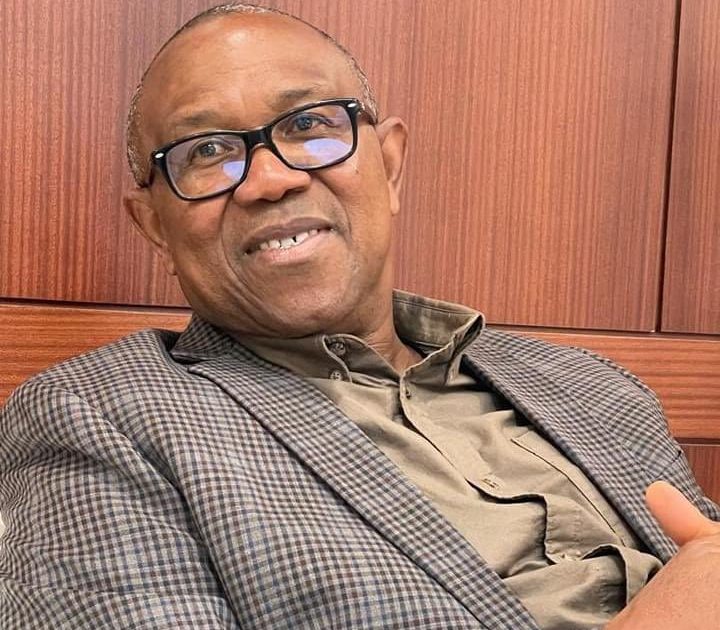
Peter Obi, the Labour Party’s presidential candidate in the recent Nigerian general elections, has voiced his criticism of the current administration’s approach to economic reforms, particularly the removal of fuel subsidies and the floating of the naira. While he agrees with the reforms in principle, he argues that their implementation has been haphazard and lacking in strategic planning. Obi contends that the government’s approach has failed to prioritize national productivity and has not yielded tangible benefits for the Nigerian populace. He suggests a more structured approach that focuses on boosting agricultural and manufacturing output before implementing such drastic economic changes.
Obi’s primary concern lies in the lack of a clear roadmap for utilizing the savings accrued from the fuel subsidy removal. He questions the government’s allocation of these funds, pointing out that despite significant savings, there has been no noticeable improvement in key sectors like education, healthcare, or infrastructure. He advocates for a more transparent and targeted approach, where the saved funds are dedicated to specific critical areas rather than being treated as general revenue. This, he believes, would ensure a more impactful utilization of resources and contribute to tangible improvements in the lives of Nigerians.
The former Anambra State governor also criticizes the timing and manner of the currency float, arguing that such a move should be preceded by measures to enhance national productivity. He explains that devaluing or floating a currency without a corresponding increase in productivity can lead to a “double whammy” effect. While devaluation can make exports more competitive and attract foreign investment, it also makes imports more expensive. Without a robust domestic production base, this can lead to a surge in import costs without a commensurate increase in export earnings, further straining the economy. Obi maintains that a focus on boosting local production should have been a prerequisite to the currency float, ensuring that the devaluation would be beneficial rather than detrimental.
Obi’s alternative approach emphasizes a phased implementation of these reforms, beginning with a focus on stimulating productivity in key sectors like agriculture and manufacturing. He believes that by prioritizing these sectors, Nigeria can create a solid foundation for economic growth and stability. This increased productivity would then create a more favorable environment for the removal of fuel subsidies and the floating of the naira, maximizing the potential benefits of these reforms while minimizing their negative impacts. He advocates for engaging with stakeholders in these sectors to develop a comprehensive plan that addresses their specific needs and challenges, paving the way for sustainable growth and development.
Furthermore, Obi questions the government’s spending priorities, particularly its focus on large-scale infrastructure projects in the face of pressing security concerns and a persistent power crisis. He argues that addressing these fundamental issues should take precedence over ambitious infrastructure development. Obi contends that investing in security and ensuring reliable power supply would create a more conducive environment for economic activity and investment, ultimately laying the groundwork for sustainable infrastructure development. He illustrates this point by questioning the logic of building new roads when citizens cannot safely travel on existing ones due to insecurity.
In essence, Peter Obi’s critique boils down to a call for a more strategic and planned approach to economic reforms. He argues that the current administration’s haphazard implementation of the fuel subsidy removal and currency float, without adequate consideration for national productivity and pressing security concerns, risks exacerbating existing economic challenges. He proposes a more phased and structured approach, prioritizing productivity enhancements, addressing critical security and power issues, and ensuring a more transparent and targeted allocation of resources. This, he believes, would lay a stronger foundation for sustainable economic growth and development, ultimately benefiting the Nigerian populace more effectively.