









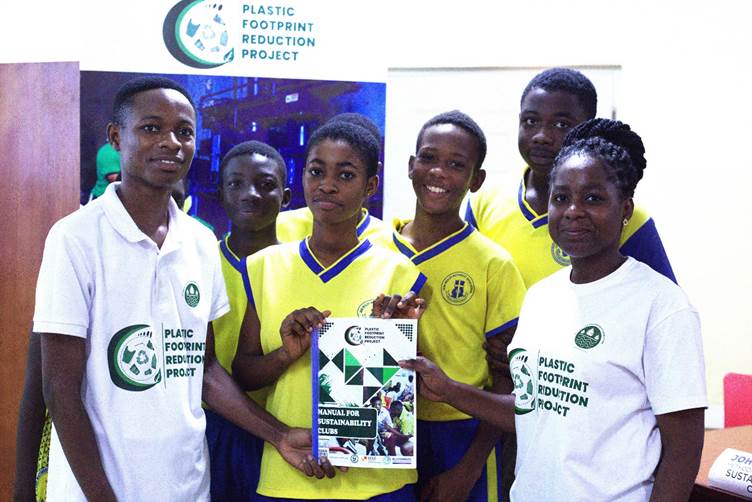
In a significant initiative aimed at combating plastic pollution, the Plastic Footprint Reduction Project (PFRP) has launched sustainability clubs in three schools located in Accra Metropolitan Area. Specifically, these clubs have been instituted at the Richard Akwei Memorial Basic School, Amamomo 1&2 Junior High School, and John Wesley Methodist Basic School. This effort is designed to empower young students as environmental leaders, enabling them to create a lasting impact on their communities while advocating for sustainable practices. The clubs serve a dual purpose: to provide education on sustainability and to encourage students to become proactive in addressing the pressing issue of plastic waste.
The clubs were inaugurated as part of a broader strategy to mitigate the adverse effects of plastic waste, which has been linked to increased flooding and environmental degradation throughout the Metropolis. As plastic waste continues to pose significant challenges to local ecosystems and public health, the PFRP recognizes the importance of educating the next generation on responsible waste management. To facilitate this educational process, the project team crafted a comprehensive Sustainability Club Manual, which serves as a detailed guide for the club’s activities. This resource encompasses various topics relevant to sustainability, including waste management, climate education, and leadership skills, all of which are tailored specifically to be age-appropriate and relevant to the local context.
Prior to the establishment of these clubs, the PFRP undertook extensive sensitization and capacity-building efforts targeting students in basic education. This groundwork involved conducting workshops, awareness campaigns, and a competitive inter-school sustainability quiz, all designed to expand students’ understanding of plastic pollution and its ramifications. Through these activities, young participants were equipped with the knowledge and tools necessary to spearhead change within their respective schools and communities. The initiative highlights the potential for students to become catalysts for environmental awareness, fostering a culture of sustainability among their peers.
The establishment of these sustainability clubs represents a pivotal milestone for the PFRP and the broader fight against plastic pollution. Joshua Obeng, the project lead, emphasized the importance of the initiative by stating, “We are not only addressing plastic waste today but also investing in the future.” This forward-thinking perspective underscores the long-term benefits that can arise from educating and empowering young individuals. By involving students in sustainability efforts, the project aims to instill a sense of responsibility and stewardship over their environment, promoting the notion that they have the power to effect change.
As the clubs embark on their initial activities, they will likely focus on community engagement, promoting awareness about plastic use and waste. Part of their mission will be to organize clean-up drives, educational sessions, and workshops that reinforce the concepts learned in their training sessions. By actively participating in hands-on projects, students will gain practical experience while motivating both their peers and local community members to adopt more sustainable practices. The success of these clubs will depend heavily on the enthusiasm and leadership of the students involved, who will be tasked with implementing the principles laid out in their training.
Overall, the PFRP’s initiative sets a promising precedent for school-based sustainability projects in urban environments. By concentrating on youth engagement and education, the program aims to create a ripple effect that can lead to meaningful changes in attitudes and behaviors concerning plastic waste. As these young environmental leaders begin their journey, the hope is that their efforts will inspire broader community involvement and pave the way for a cleaner, more sustainable future. Through investment in youth education and active participation, the PFRP is not only addressing current environmental challenges but also fostering a generation that values and protects their natural surroundings.









