





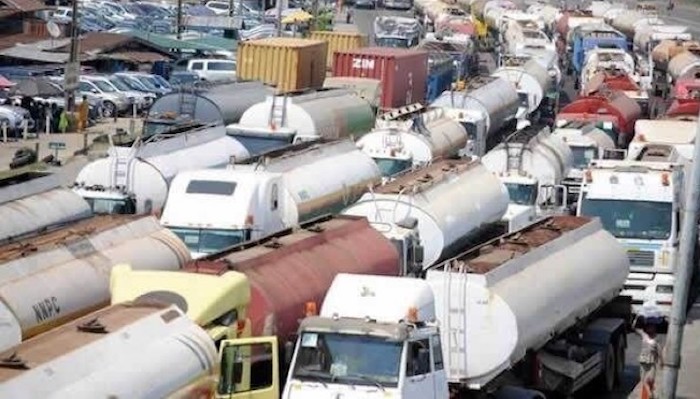
The recent developments surrounding the Port Harcourt Refinery Company (PHRC), which has recently resumed operations, have highlighted the competitive dynamics of Nigeria’s oil market. Dealers are insisting that the products from this newly rehabilitated refinery must be offered at prices lower than those of the Dangote Petroleum Refinery to entice their patronage. Currently, petrol from the Nigerian National Petroleum Company Limited (NNPCL) has been reported at approximately N1,045/litre; however, NNPCL states that its prices have yet to be finalized for broader distribution, as products are currently only available at NNPCL stations. As product availability remains limited due to the pending opening of the purchasing portal, oil marketers have felt compelled to continue relying on imports to meet local consumer demands, with a notable 105.67 million litres of petrol imported in just five days.
The operational revival of the Port Harcourt refinery, which is now functioning at 70% of its refining capacity, is anticipated to bring significant changes to the local petroleum market. The NNPCL has indicated plans for daily production outputs including millions of litres of diesel, Premium Motor Spirit (petrol), and lower grades of fuel oil. Positive initial reactions from industry stakeholders have emerged regarding the refinery’s updated operations, but anxiety remains concerning the pricing strategy that NNPCL will adopt. Each of these factors will play into oil marketers’ decisions regarding whether to source their petroleum products from NNPCL or continue importing. As the market stands, Dangote is currently selling petrol at N970/litre, a substantial difference suggesting that the NNPCL must act quickly to avoid losing potential sales.
The anticipation surrounding NNPCL’s pricing policy becomes particularly critical in light of the stated concerns from industry representatives regarding the feasibility of purchasing locally refined products if they are more expensive than imported petrol. Chinedu Ukadike, spokesperson for the Independent Petroleum Marketers Association of Nigeria (IPMAN), has indicated that independent marketers are unlikely to buy from NNPCL unless it offers prices more attractive than Dangote’s. He noted the potential for downward price adjustments from NNPCL once the refinery operates at full capacity, which may be further influenced by a recent decrease in global oil prices. However, company insiders have suggested that as it stands, NNPCL’s petrol prices are already positioned significantly higher than Dangote’s.
Amidst these competitive pressures, the Petroleum Products Retail Outlets Owners Association of Nigeria (PETROAN) has also weighed in, asserting that no new pricing from NNPCL has yet been established, which complicates the landscape for marketers who have been purchasing under old pricing structures. This situation is further complicated by NNPCL’s current operational strategy of selling products sourced from Dangote’s refinery rather than its own facilities, causing confusion regarding the true market price of locally refined products. Consequently, both PETROAN and IPMAN are eagerly awaiting formal pricing announcements from NNPCL that would clarify the situation for marketers and consumers alike.
The broader context of these developments shows a concerted effort among stakeholders in the Nigerian oil industry to reduce dependence on imports through the revitalization of domestic refining capacities. Recent meetings between key figures from the NNPCL and major oil marketing associations signaled aspirations to shift away from fuel imports with a growing confidence in the capabilities of the Dangote Refinery. However, the continued reliance on imported fuel underscores the challenges the industry faces in transitioning to a self-sufficient model while simultaneously reconciling the pricing disparities that are deeply embedded within the marketplace.
As the situation continues to evolve, oil marketers remain in a peculiar position. They are poised to respond dynamically to the pricing strategies deployed by NNPCL and the overall market conditions, including changes in global oil prices. With the importation of fuel still a feasible option if local prices prove unsustainable, the competition between NNPCL and Dangote will inevitably reshape the oil landscape in Nigeria. The outcomes of this contest, driven by issues of pricing, supply, and consumer demand, will not only define the business strategies of the oil marketers but will significantly impact the end consumers who rely heavily on affordable and accessible petrol for daily activities. Thus, the concerted efforts towards refining capacity enhancement will need to align with active price monitoring and responsive strategies to ensure market stability and consumer satisfaction.








