


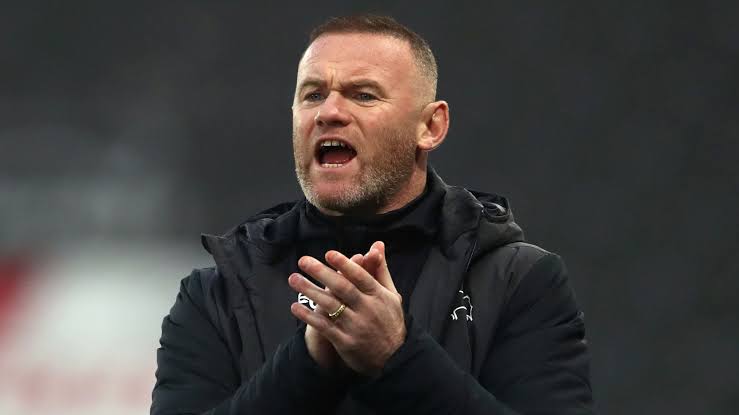
Wayne Rooney’s managerial journey has encountered another significant setback with his departure from Plymouth Argyle after a disappointing nine-match winless run. The Manchester United icon leaves the Pilgrims rooted to the bottom of the Championship table, four points from safety, marking a premature end to his tenure that began with much optimism just months prior. This latest chapter in Rooney’s managerial career, which has also included stints at Derby County and DC United, raises questions about his future direction in football management.
Rooney’s arrival at Plymouth Argyle in the summer was met with a wave of anticipation. His pedigree as a player, coupled with his experience gleaned from previous managerial roles, suggested he possessed the potential to revitalize the struggling club. However, the on-field reality failed to live up to expectations. Despite visible efforts to implement a positive, attacking style of play, the team consistently struggled to translate possession and chances into tangible results. The mounting pressure stemming from a string of poor performances and the team’s precarious position in the league table ultimately led to Rooney’s exit by mutual consent.
The club’s official statement emphasized the amicable nature of the separation, highlighting the mutual respect between Rooney and the board. Rooney himself expressed gratitude towards the club’s ownership, staff, players, and fans for their support during his brief time at the helm. He acknowledged the positive relationships he forged within the club and the special atmosphere created by the fans at Home Park, sentiments that suggest a degree of sadness over the unsuccessful outcome of his tenure. While his departure is undoubtedly a disappointment, Rooney’s words reflect a sense of professionalism and a desire to maintain a positive connection with the club.
Plymouth Argyle Chairman Simon Hallett echoed the sentiment of mutual respect, acknowledging Rooney’s dedication and the shared ambition that had initially driven the appointment. He emphasized that the decision to part ways stemmed solely from the team’s on-field performance, which failed to meet expectations despite the combined efforts of Rooney and his coaching staff. This explanation underscores the challenging nature of football management, where even the most dedicated efforts can be undermined by a lack of positive results. The club’s statement, like Rooney’s, maintained a tone of respect and wished him well in his future endeavors.
Rooney’s departure leaves Plymouth Argyle searching for a new leader to navigate the difficult task of escaping relegation. The club’s next appointment will be crucial in determining their fate in the Championship. For Rooney, the immediate future remains uncertain. This latest setback undoubtedly presents a crossroads in his managerial career. He will need to reflect on the lessons learned from his time at Plymouth and consider his next steps carefully. The experience gained from managing in challenging circumstances, while undoubtedly difficult, may prove invaluable in shaping his future approach to football management.
The story of Wayne Rooney’s time at Plymouth Argyle serves as a stark reminder of the unforgiving nature of professional football. Despite the initial optimism and the shared ambition between the club and the manager, the ultimate measure of success remains results. Rooney’s departure, while disappointing for both parties, underscores the pressure and scrutiny inherent in football management, particularly at the highest levels. As Rooney contemplates his next move, the football world will be watching to see where his managerial path leads him next. His undeniable passion for the game and his unwavering determination suggest that this chapter, while closed, is unlikely to be the final word in his managerial story.