





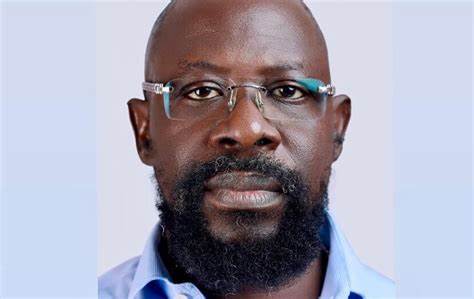
Paragraph 1: The Arrest and Initial Court Appearance of Dele Farotimi
Dele Farotimi, a lawyer and activist, was arrested in Lagos State on allegations of defamation against Aare Afe Babalola, a prominent Senior Advocate of Nigeria (SAN). The alleged defamation stemmed from Farotimi’s book, "Nigeria and its Criminal Justice System." Following his arrest, Farotimi was transferred to Ekiti State and arraigned before an Ado Ekiti Magistrates’ Court. During his initial court appearance, he pleaded not guilty to the charges. An oral bail application made by Farotimi’s lawyer was rejected by Magistrate Abayomi Adeosun, who insisted on a formal written application, leading to an adjournment until December 10th.
Paragraph 2: The Bail Hearing and Police Opposition
On December 10th, the court reconvened to address Farotimi’s bail application. His defense counsel, Taiwo Adedeji, argued that the charges against Farotimi were bailable offenses and emphasized his client’s established legal career, fixed address, and commitment to attending all court proceedings. Adedeji urged the court to dismiss the prosecution’s counter-affidavit and grant bail. However, the police prosecutor, Samson Osodu, vehemently opposed the application, asserting that Farotimi posed a flight risk and had been intimidating witnesses and the complainant. Osodu also questioned the validity of the defense’s affidavit, claiming it was improperly deposed by a litigation clerk.
Paragraph 3: Accusations of Witness Intimidation and Disrespect for the Judiciary
The police prosecutor’s opposition to bail centered on allegations that Farotimi, described as a social media influencer, had been using his platform to intimidate witnesses involved in the case, including the complainant, Aare Afe Babalola. Osodu further claimed that Farotimi had publicly expressed disbelief in the judicial system, suggesting a lack of respect for the court’s authority and a potential disregard for any bail conditions imposed. This perceived threat to the integrity of the judicial process was a key factor in the prosecution’s argument against granting bail.
Paragraph 4: The Court’s Decision and Adjournment
After hearing arguments from both the defense and prosecution, Magistrate Adeosun adjourned the proceedings until December 20th to deliver a ruling on the bail application. This decision meant that Farotimi would remain in custody for at least another ten days pending the magistrate’s determination. The delay in the bail ruling sparked reactions from various quarters, including from political figures like Omoyele Sowore, the presidential candidate of the African Action Congress.
Paragraph 5: Cancelled Protests and Warnings from Authorities
A planned protest in support of Farotimi, organized by the Take it Back Movement, was scheduled to take place at the Ekiti State Police Command Headquarters on the day of the bail hearing. However, the protest failed to materialize. This followed warnings from community leader Chief Michael Osaloni and the police, discouraging any protests and emphasizing the need to maintain peace in the state. The police, while acknowledging the right to protest, stated they hadn’t received official notification of the planned demonstration and warned against any unlawful gatherings.
Paragraph 6: Political Reactions and Peter Obi’s Intervention
The Farotimi case drew attention from prominent political figures, notably Omoyele Sowore, who criticized the continued detention and called for Farotimi’s immediate release. Sowore also publicly condemned Peter Obi, the Labour Party presidential candidate, for visiting Afe Babalola. Obi’s visit, perceived by some as an attempt to mediate or plead for leniency in Farotimi’s case, generated controversy and was interpreted by Sowore as an act of appeasement that undermined the fight against injustice. The intersection of legal proceedings with political commentary further highlighted the complexities and sensitivities surrounding the case.








