









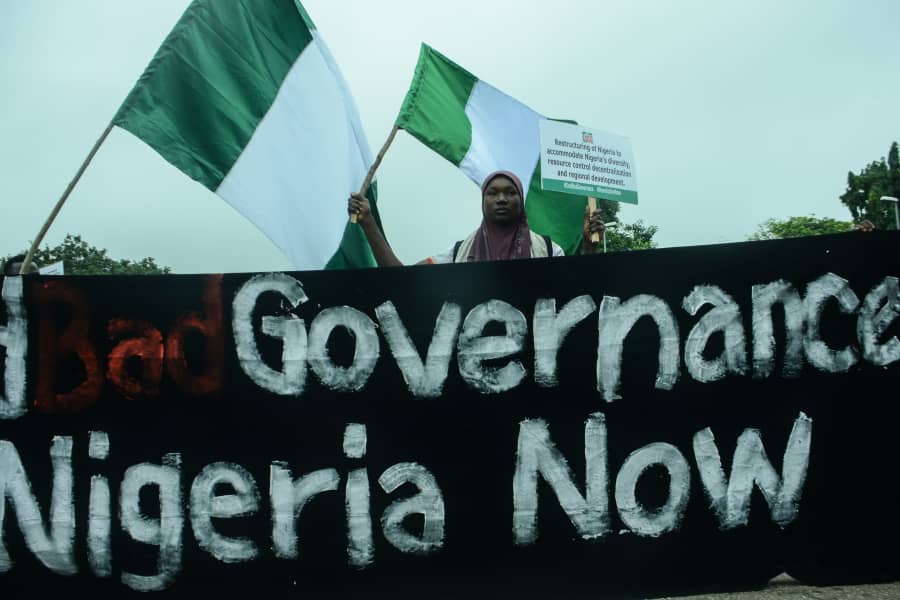
The Nigeria Police Force has vehemently denied allegations leveled against it by Amnesty International in a report titled “Bloody August: Nigeria Government’s Violent Crackdown on #EndBadGovernance Protests.” The report, released on November 28, 2024, accused the police of extrajudicial killings during protests held between August 1st and 10th, claiming that at least 24 people were killed across six northern states. The police, however, have dismissed these claims as false, misleading, and damaging to their image, asserting that their own investigations contradict Amnesty International’s findings.
Following the report’s release, the police established a special investigative panel comprising Commissioners of Police from the affected states to thoroughly examine the allegations. The panel conducted extensive investigations and produced a comprehensive report detailing the inaccuracies in Amnesty International’s claims. Force spokesperson, Muyiwa Adejobi, addressed a press briefing, emphasizing the discrepancies between the organization’s report and the police’s findings. He urged Amnesty International to reflect on its reporting methodology and ensure accuracy in its reports, especially those concerning national security and the safety of Nigerians.
The police maintain that their actions during the protests were justified and in response to violent acts committed by protesters. In Borno State, for instance, the police stated that protesters engaged in widespread looting, pillaging, and destruction of property, including facilities belonging to the UNHCR and the World Food Programme. They countered Amnesty International’s claim that police threw a hand grenade into a filling station, killing three people, labeling it a blatant falsehood. In Niger State, the police debunked the alleged killing of three individuals in Suleja. Similarly, in Katsina State, the alleged killing of a 21-year-old was deemed unsubstantiated by local sources.
The police further refuted Amnesty International’s claims regarding incidents in Kaduna, Jigawa, and Kano states. In Kaduna, they stated that no protests occurred on October 1, 2024, and therefore, no police killings were recorded. The report allegedly confused a separate incident involving the Nigerian Army, which was openly investigated. In Jigawa, while Amnesty International reported the deaths of three individuals, the police investigation concluded that only one fatality occurred, and it was a result of protester violence, not police action. Finally, in Kano, the reported 12 deaths attributed to police actions were, according to the police investigation, a result of violent confrontations among looters and criminals, not police involvement.
The police spokesperson, Adejobi, expressed disappointment in what he termed the frequent inaccuracies in Amnesty International’s reporting on Nigerian law enforcement activities. He emphasized that accurate reporting is crucial for the integrity and character of any international organization. He stated that the police intend to formally request a retraction of the report and a public apology from Amnesty International for the alleged misinformation. He further urged the public to be wary of sensational reports intended to incite mistrust and weaken confidence in law enforcement institutions.
The Nigeria Police Force reiterated its commitment to protecting the rights of all citizens while ensuring national security and stability. This strong denial of Amnesty International’s allegations highlights a significant clash of narratives between the international human rights organization and the Nigerian law enforcement agency. The police have presented their own version of events, directly contradicting the claims of extrajudicial killings. This disagreement underscores the importance of independent investigations and verification to ascertain the truth and ensure accountability for any human rights violations that may have occurred during the protests. The police’s planned formal request for a retraction and public apology sets the stage for a potential protracted battle between the two entities.









