









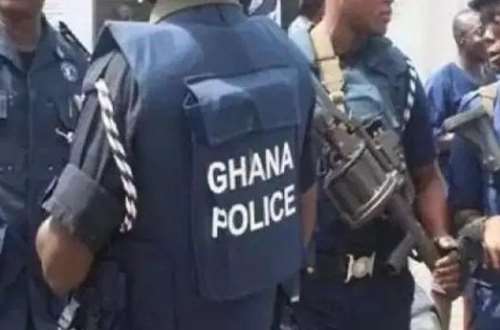
The Ghana Police Service has categorically refuted claims circulating on social media platforms alleging the vandalism of the New Patriotic Party (NPP) office in Kasoa. In an official statement released to the public, the police urged citizens to disregard these reports, characterizing them as unfounded, baseless, and lacking any factual basis. The statement unequivocally asserts, “The NPP office at Kasoa has not been vandalized. Please ignore the false claim.” This succinct declaration aims to quell any potential unrest or misinformation stemming from the unsubstantiated allegations. The police statement underscores the importance of verifying information before disseminating it, particularly in the age of rapid information sharing on social media.
The dissemination of false information, especially regarding politically sensitive matters such as vandalism of party offices, can have severe repercussions. It can incite violence, fuel public unrest, and erode trust in institutions. In a context like Ghana, with a history of political tensions, such misinformation can be particularly damaging. Therefore, the swift and decisive response from the Ghana Police Service is crucial in maintaining public order and preventing any escalation of tensions based on false narratives. The police statement serves as a reminder of the responsibility individuals and media outlets bear in ensuring the accuracy of information shared publicly.
The incident highlights the growing concern surrounding the spread of misinformation on social media platforms. The ease and speed with which unverified information can be disseminated online pose a significant challenge to maintaining public order and fostering a climate of trust. The rapid proliferation of false narratives can lead to misinterpretations, inflamed passions, and ultimately, real-world consequences. Therefore, it is imperative for individuals to exercise caution and critical thinking when encountering information online. Verifying information from credible sources, such as official government bodies like the Ghana Police Service, is crucial in preventing the spread of misinformation.
The police denial of the alleged vandalism also underscores the importance of relying on official sources for information. In situations where rumors and speculation abound, seeking information from authoritative sources is paramount. The Ghana Police Service, as the primary law enforcement agency in the country, is a credible source of information regarding security and public order incidents. Their statement dismissing the vandalism claims should be considered the definitive account of the situation. This incident serves as a reminder to prioritize information from official channels over unverified claims circulating on social media.
The prompt and clear denial by the Ghana Police Service effectively counters the spread of misinformation and helps maintain stability. By immediately addressing the false reports, the police aim to prevent the escalation of potential tensions and safeguard public order. This proactive approach is crucial in mitigating the negative impact of misinformation, particularly in a politically charged environment. Furthermore, the police statement emphasizes the importance of responsible information sharing and encourages citizens to rely on verified sources for accurate information.
This incident serves as a valuable lesson on the importance of media literacy and critical thinking in the digital age. The rapid spread of information online necessitates a discerning approach to consuming and sharing content. Verifying information from reliable sources, cross-checking claims with multiple sources, and exercising critical thinking are essential skills for navigating the information landscape responsibly. By promoting media literacy and critical thinking, individuals can contribute to a more informed and responsible online environment, minimizing the impact of misinformation and fostering a climate of trust.









