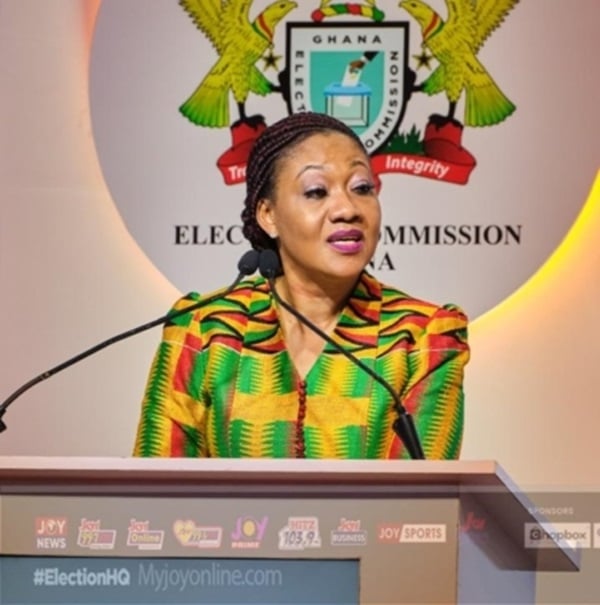
The 2024 Ghanaian general elections have sparked a heated debate regarding the performance of the Electoral Commission (EC) and its Chairperson, Jean Mensa. Two prominent political entities, the All People’s Congress (APC) and the Movement for Change, have vehemently criticized the EC’s handling of the electoral process, citing significant delays in the collation and announcement of results. They argue that these inefficiencies have eroded public trust and demand the immediate resignation of Jean Mensa and other commissioners to pave the way for comprehensive reforms. Conversely, the Convention People’s Party (CPP) has offered a contrasting viewpoint, commending the EC for overseeing a largely peaceful and well-organized election. This divergence of opinion underlines the contentious nature of the 2024 elections and emphasizes the urgent need to address concerns about transparency and efficiency within Ghana’s electoral system.
The APC, through its Presidential Candidate, Hassan Ayariga, expressed profound disappointment with the EC’s performance, specifically highlighting the protracted delays in finalizing the election results. Ayariga characterized the situation as a significant setback for democracy, arguing that the prolonged vote-counting process undermines public confidence in the integrity of the elections. He questioned the efficiency of a system that takes days to tally votes, especially in light of Ghana’s population size. Ayariga advocated for the adoption of a digital voting system as a crucial step towards enhancing efficiency and transparency, thereby mitigating the delays that plagued the 2024 elections. He believes that such modernization is essential to restoring faith in Ghana’s democratic process.
The Movement for Change has echoed the APC’s concerns, adding further weight to the calls for accountability within the EC. Courage Nobi, the Deputy Director for Policy, explicitly demanded the resignation of the EC leadership, arguing that their handling of the elections has irrevocably damaged public trust. Nobi emphasized the need for a complete overhaul of the institution, suggesting that the commissioners should voluntarily step down after declaring the results to facilitate this process. This, he believes, would signify a commitment to reform and pave the way for the rebuilding of public confidence in the impartiality and effectiveness of the Electoral Commission.
The CPP’s perspective, however, presents a stark contrast to the criticisms leveled by the APC and the Movement for Change. Joyce Larbi, the Deputy Secretary of the CPP, commended the Electoral Commission for conducting a largely peaceful and well-organized election. She praised the EC’s efforts in upholding Ghana’s democratic process, implicitly suggesting that the criticisms of delays were overblown or perhaps even politically motivated. This contrasting viewpoint underscores the complexities surrounding the 2024 elections and highlights the need for a thorough and impartial assessment of the EC’s performance.
The divergent views surrounding the 2024 general elections underscore the urgent need for comprehensive electoral reforms in Ghana. While the CPP commends the overall conduct of the elections, the APC and the Movement for Change point to significant inefficiencies that erode public trust. The delays in collation and announcement of results, criticized by both the APC and the Movement for Change, raise serious questions about the EC’s capacity to efficiently manage the electoral process. These concerns necessitate a thorough review of existing procedures and the implementation of measures to enhance transparency and efficiency.
Moving forward, addressing the concerns raised by various stakeholders is crucial for strengthening Ghana’s democratic institutions. The proposed adoption of a digital voting system, as suggested by the APC, merits serious consideration as a potential solution to the delays experienced in the 2024 elections. Additionally, a transparent and impartial investigation into the EC’s performance should be undertaken to identify areas for improvement and to restore public confidence. Ultimately, the goal should be to establish an electoral system that is not only efficient and transparent but also enjoys the trust and confidence of all political parties and the Ghanaian citizenry. The contrasting perspectives on the 2024 elections offer a valuable opportunity for reflection and reform, paving the way for stronger democratic processes in the future.