









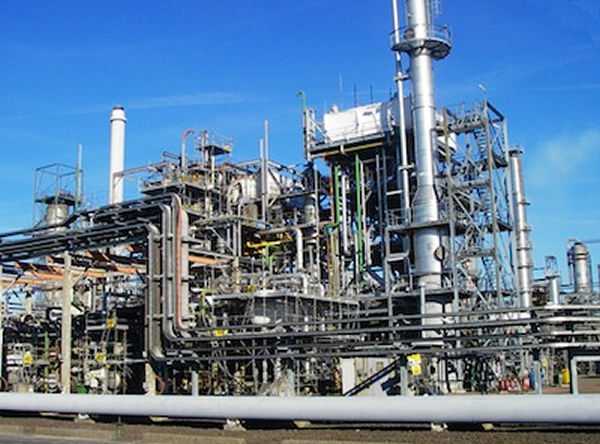
The Port Harcourt Refining Company (PHRC) has recently clarified the status of its operations, emphasizing that while there has been a temporary scaling down, it has not completely halted. Moyi Maidunama, the Executive Director of Operations for the Nigerian Pipeline and Storage Company Limited, made this assertion during a tour of the refinery led by Managing Director Ibrahim Onoja. Maidunama indicated that this reduction in operations was essential for addressing technical challenges and improving the refinery’s capacity for production. By managing the number of trucks being used and optimizing evacuation processes, he assured stakeholders that the company is capable of resolving the temporary issues promptly.
During the operational adjustments, product distribution continued unabated, with several trucks actively loading refined products from the facility. Worlu Joel, the Terminal Manager for the Port Harcourt Depot, corroborated the continuity of operations and affirmed that the facility had initiated distribution processes for essential fuels, including Premium Motor Spirit (PMS), kerosene, and diesel. However, Joel raised concerns about the low participation of tanker drivers, highlighting that despite having a surplus of products and operational loading arms, the depot faced challenges in evacuating the materials due to insufficient driver turnout. He mentioned that, so far, they had managed to load over ten trucks and anticipated dispatching at least fifteen by the day’s end.
The operational dynamics of the depot revealed a structure with 11 functional loading bays, yet only three were currently operational due to efficiency. Each loading bay can facilitate the loading of three trucks every 15 minutes, and with adequate truck support, the depot is capable of evacuating an extensive number of trucks efficiently—up to 100 trucks in less than five hours, according to Joel. His insights indicated that the issue lies more in the availability of tanker transport rather than limitations at the refinery itself, suggesting that with increased participation from tanker drivers, the operational output could significantly rise.
The ongoing efforts at the refinery are aimed at considerable improvements and upgrades to enhance its efficiency and reliability. Managing Director Ibrahim Onoja shared that extensive revamps had been undertaken within the facility, pointing to the replacement of substantial equipment, including pumps, instrumentation, and electrical cables. This overhaul indicates a significant push towards modernizing the refinery and ensuring that it operates effectively moving forward. The confidence conveyed by Nouja reflects a commitment to reinvigorate operations in spite of temporary setbacks and align with best practices within the industry.
Moreover, the management team has reiterated its focus on maintaining a consistent flow of product distribution, indicating that these improvements are designed to bolster overall operational performance. Ensuring continuous and reliable access to refined products is vital, not only to meet local demands but also to restore and maintain trust among stakeholders, including consumers and transport partners. The clear communication from the refinery’s management signifies a proactive approach to both operational challenges and market expectations.
In conclusion, while the Port Harcourt Refining Company is experiencing a temporary reduction in its operations due to necessary improvements, the company remains vigilant in its efforts to enhance functionality and reliability. With an ongoing distribution of essential products and a strategic approach to resolving operational challenges, both the management and operational teams are focused on ensuring the refinery successfully navigates this transitional phase. The upgrades and commitment to efficient product evacuation reflect a promising trajectory as the refinery aims to regain its full operational capacity and meet the demands of the market.









