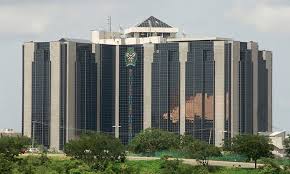
The Central Bank of Nigeria’s Monetary Policy Committee (MPC) is anticipated to uphold its inflation-tightening policy during its final meeting of the year, particularly in the wake of increasingly rising inflation rates. At the September meeting, the MPC increased the Monetary Policy Rate by 50 basis points to 27.25 percent, citing concerns pertaining to core inflation, growth in money supply, fiscal deficits, and food pricing pressures. While the overall headline inflation appeared to be declining during the last meeting, core inflation remained persistently high, primarily due to escalated energy costs and underlying structural factors affecting the economy.
Governor Olayemi Cardoso, in the post-meeting statement, commended the Federal Government’s initiatives to combat insecurity in agricultural regions and reaffirmed the importance of continued efforts in this area. He acknowledged the government’s strategies to alleviate food supply shortages through implementing a duty-free import scheme for food commodities. Furthermore, Cardoso expressed optimism that the anticipated commencement of operations at the Dangote refinery would help ease transportation costs, thereby addressing food price pressures in the short to medium term. The expected supply of refined petroleum products from Dangote’s operations may also reduce foreign exchange demands for imports, positively impacting external reserves and contributing to an improved balance of payments.
Despite a slight decrease in headline inflation, market analysts predict that the MPC will sustain its hawkish stance owing to various re-inflation signals from major global economies that may influence domestic economic conditions. Recent data indicate a rise in domestic price levels, a decline in the Purchasing Managers’ Index (PMI) statistics, bureaucratic challenges affecting Dangote’s local supply of petrol, and sustained increases in money supply. For instance, the broad measure of money supply, M3, increased 1.6 percent month-over-month to reach N109 trillion in September. These economic indicators indicate a precarious situation that may compel the MPC towards a cautious approach.
The latest PMI data reveals a concerning trend, as the composite PMI dropped to 49.6 points in October from 50.5 in September. This decline halted a two-month expansion streak, and upon disaggregating the data, it becomes apparent that the industrial sector experienced contraction, while growth in the agriculture sector slowed. The deterioration in industrial PMI was triggered by sluggish performance across essential metrics like new orders, employment figures, and raw material stocks. Particularly, the food, beverage, and tobacco industries were most adversely impacted, indicating how decreased consumer purchasing power and adverse currency movements are influencing production costs.
Further complicating matters, analysts highlight that the inflation rate has reached 33.88 percent, compounding issues related to rising energy prices and foreign currency volatility. These pressures are juxtaposed against a burgeoning national debt that exceeded N134.3 trillion in the first half of the year, which corresponds to approximately 52 percent of GDP. Such projections suggest that the debt may surpass N150 trillion by 2025, underscoring the pressing fiscal challenges facing the government. In light of these intertwined issues, it is posited that the MPC will have to prioritize curbing inflation while ensuring that real interest rates remain appealing for foreign investors.
The outlook from various financial analysts, including findings from Meristem Securities, indicates that both overseas and domestic factors will significantly inform the MPC’s decision-making. Global disinflation reversals, triggered by rate adjustments in developed nations, lower oil prices, and fiscal expenditure will play critical roles in shaping policies. In Nigeria, rising inflation, increased government spending, and the persistent depreciation of the naira across markets remain central concerns for the Committee. Given these dynamics, the MPC is expected to lean towards a restrictive monetary policy, likely opting for a rate hike aimed at stabilizing the naira and mitigating inflation pressures, potentially raising the MPR to 27.75 percent at the year’s final meeting.