The aftermath of Ghana’s recent presidential election, which saw John Dramani Mahama of the National Democratic Congress (NDC) emerge victorious, was marred by a wave of vandalism and destruction of property allegedly perpetrated by NDC supporters. This eruption of violence, which targeted both state and private assets, cast a dark shadow over the democratic process and raised serious concerns about the future of political stability in the country. The incidents included the burning of an Electoral Commission (EC) office in Ayensuano, Eastern Region, the storming and looting of warehouses and food storage facilities, and the destruction of billboards belonging to Vice President Mahamudu Bawumia of the New Patriotic Party (NPP). The scale of the unrest necessitated the intervention of security forces, including the police and military, to restore order and calm.
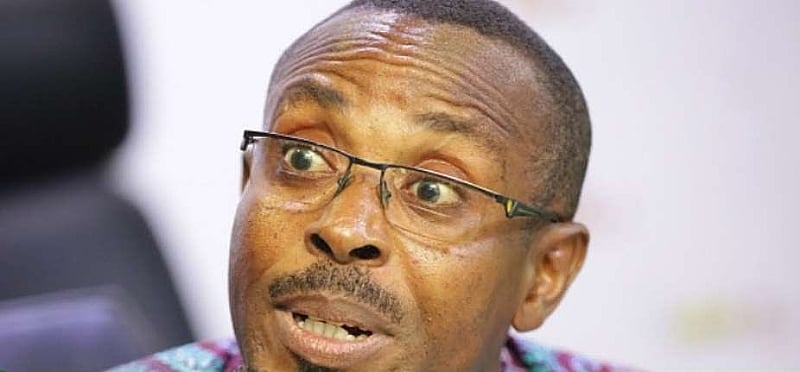
Kwamena Duncan, former Central Regional Minister, strongly condemned the violence and directed his criticism squarely at President-elect Mahama and the NDC leadership. He accused them of failing to control their supporters and of creating an environment conducive to such destructive behavior. Duncan argued that the NDC had “psyched up” its base, fostering a mindset that violence was an acceptable response, regardless of the election outcome. He questioned the rationale behind celebrating victory with acts of vandalism and destruction, emphasizing the inherent contradiction of resorting to violence after participating in a democratic process designed to peacefully transfer power.
Duncan’s condemnation went beyond simply criticizing the immediate acts of violence. He questioned the very foundations of the Ghanaian democratic process if such behavior is allowed to go unchecked. He expressed deep concern about the implications of post-election violence for the safety and security of citizens. He argued that if the aftermath of elections is characterized by fear and insecurity, it undermines the very purpose of holding elections in the first place. The violence, according to Duncan, throws into doubt the legitimacy and viability of the electoral process as a means of choosing leaders and shaping the nation’s future.
Duncan’s critique highlighted the dissonance between the rhetoric of unity and national progress often espoused during election campaigns and the reality of post-election violence. He specifically referenced the calls for national unity and the vision of a “Ghana we want,” questioning how such ideals could be reconciled with the destructive actions of the alleged NDC supporters. He argued that the violence represented a stark betrayal of the promises made during the campaign and a dangerous departure from the principles of peaceful democratic transition.
The incidents of post-election violence raise fundamental questions about the role of political parties in ensuring peaceful elections and transitions of power. Duncan’s criticism implicitly calls for greater accountability from party leaders in managing their supporters and preventing them from engaging in violence. It also highlights the need for stronger mechanisms to deter and punish such behavior, ensuring that those responsible are held accountable for their actions. The violence underscores the fragility of democratic institutions and the importance of cultivating a culture of respect for the rule of law, regardless of political affiliation.
Ultimately, the post-election violence serves as a stark reminder of the challenges facing Ghana’s democracy. The incidents highlight the importance of fostering a political environment that values peace, stability, and respect for the democratic process. Moving forward, it is crucial for all stakeholders, including political parties, civil society organizations, and the government, to work together to address the root causes of political violence and ensure that future elections are conducted in a peaceful and credible manner, truly reflecting the will of the people and contributing to the building of a stronger and more united Ghana.