





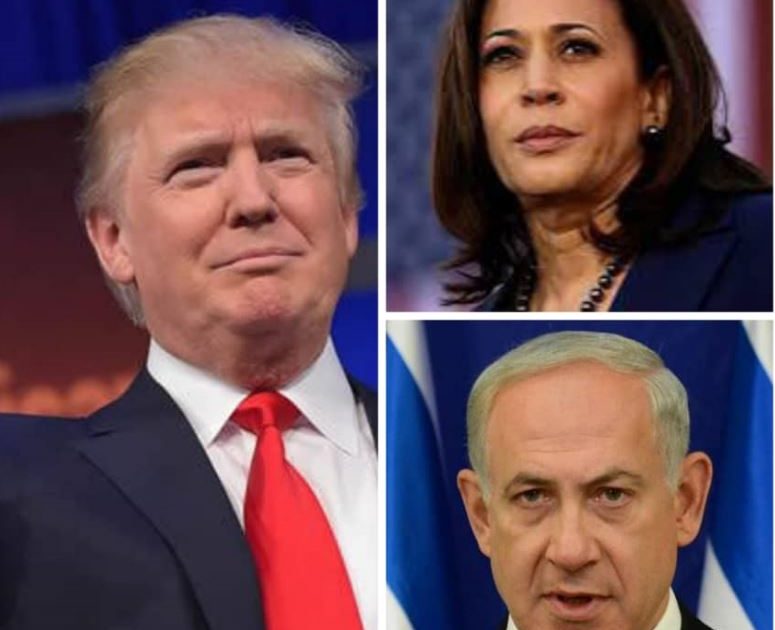
The Time Person of the Year award, an annual tradition since 1927, recognizes individuals, groups, or concepts that have exerted the most significant influence, positive or negative, on the global stage over the preceding year. The 2024 shortlist, unveiled on NBC’s Today Show, features ten prominent figures from diverse fields, each having played a unique role in shaping the past year’s events. The announcement has ignited speculation and discussion as the world awaits the final decision on December 12th. The selection reflects a tumultuous year marked by political upheaval, technological advancements, international conflicts, and evolving social landscapes.
Leading the list are two key figures from the American political scene: Donald Trump, the Republican President-elect, and Kamala Harris, his Democratic opponent and the current Vice President. Trump’s victory, marked by assassination attempts and controversial cabinet appointments, including tech magnate Elon Musk, has set the stage for a potentially transformative presidency. Musk’s inclusion in the shortlist stems from his multifaceted role as a business leader, innovator, and now, a government appointee. Harris’s candidacy represented a historic bid for the presidency, aiming to break barriers as the first female president. While her campaign ultimately fell short, her influence on American politics remains undeniable.
International figures also feature prominently. Benjamin Netanyahu, the Israeli Prime Minister, finds himself under scrutiny from the International Criminal Court for alleged war crimes related to the conflict with Gaza, sparked by Hamas’s October attacks. His leadership during this tumultuous period has placed him at the center of global attention. Another tech giant, Mark Zuckerberg, CEO of Meta, joins the list, reflecting the ongoing impact of social media and technology on society, culture, and global communication.
The list further encompasses figures who have made significant contributions in other spheres. Claudia Sheinbaum, Mexico’s first female president, represents a landmark achievement in Latin American politics. Kate Middleton, the Princess of Wales, continues to hold a prominent position in global affairs, embodying a modern monarchy navigating changing times. Yulia Navalnaya, wife of the late Russian opposition leader Alexei Navalny, has emerged as a symbol of resistance against authoritarianism, carrying her husband’s legacy forward.
Rounding out the shortlist are two individuals who have wielded substantial influence in the economic and media landscapes. Jerome Powell, Chairman of the US Federal Reserve, has played a crucial role in navigating the complexities of the American and global economies. Joe Rogan, a popular podcast host and comedian, has leveraged his platform to engage in wide-ranging discussions on contemporary issues, shaping public discourse and influencing a vast audience. The diversity of these candidates underscores the multifaceted nature of influence in the 21st century.
The selection of Donald Trump and Kamala Harris, the two main contenders in the US presidential election, highlights the deep political divisions that have characterized the past year. Trump’s victory, following a tumultuous campaign marked by controversy and unprecedented challenges, heralds a new era in American politics. Harris’s candidacy, while unsuccessful, represented a significant milestone for women in politics and resonated with a large segment of the American population. The inclusion of both figures underscores the profound impact of the election on the national and international landscapes.
Elon Musk’s presence on the shortlist further emphasizes the growing convergence of technology and politics. His appointment to Trump’s cabinet, alongside his leadership of prominent tech companies like Tesla and X (formerly Twitter), positions him as a powerful force shaping both the technological and political futures. The appointment highlights the increasing influence of the tech industry on government policy and the blurring lines between the private sector and public service. It also raises questions about the potential conflicts of interest and ethical considerations that arise when tech billionaires assume government roles.
Benjamin Netanyahu’s inclusion reflects the ongoing tensions and complexities of the Israeli-Palestinian conflict. The accusations against him by the International Criminal Court add another layer of complexity to his leadership and the political challenges facing the region. The situation underscores the fragility of peace in the Middle East and the ongoing struggle to find a lasting solution to a conflict that has spanned decades. Netanyahu’s nomination brings the issue to the forefront of global attention, highlighting the need for international cooperation and diplomatic efforts to address the underlying causes of the conflict.
Mark Zuckerberg’s presence underscores the pervasive influence of social media on global society. As the CEO of Meta, he oversees platforms that connect billions of people worldwide, shaping communication patterns, information dissemination, and social interactions. Zuckerberg’s influence extends beyond the realm of technology, impacting political discourse, social movements, and cultural trends. His inclusion on the shortlist acknowledges the transformative power of social media and the role it plays in shaping the 21st-century world.
The inclusion of figures like Claudia Sheinbaum, Kate Middleton, and Yulia Navalnaya highlights the evolving landscape of leadership and influence. Sheinbaum’s presidency represents a significant step forward for women in Latin American politics, breaking barriers and inspiring future generations of female leaders. Middleton’s role as the Princess of Wales embodies the changing face of monarchy in the modern era, navigating the challenges and opportunities presented by a rapidly evolving world. Navalnaya’s courageous stand against authoritarianism serves as a powerful reminder of the importance of dissent and the fight for human rights in oppressive regimes.
Finally, the nominations of Jerome Powell and Joe Rogan underscore the impact of economic policy and media on shaping public discourse and influencing individual lives. Powell’s leadership of the Federal Reserve has profound implications for the American and global economies, affecting everything from interest rates to employment levels. Rogan’s podcast, with its wide reach and diverse array of guests, has become a significant platform for discussing a wide range of issues, shaping public opinion and fostering dialogue on important topics. Their inclusion reflects the interconnectedness of economics, media, and public life in the 21st century.
The 2024 Time Person of the Year shortlist represents a diverse range of individuals who have made significant contributions, positive and negative, to the past year’s events. The ultimate winner will undoubtedly spark debate and discussion, reflecting the complexities of evaluating influence and impact on a global scale. The announcement on December 12th will provide a moment of reflection on the past year and the individuals who have shaped its course. The award serves as a reminder of the power of individuals to shape history, for better or for worse, and the ongoing challenges and opportunities facing the world today.








